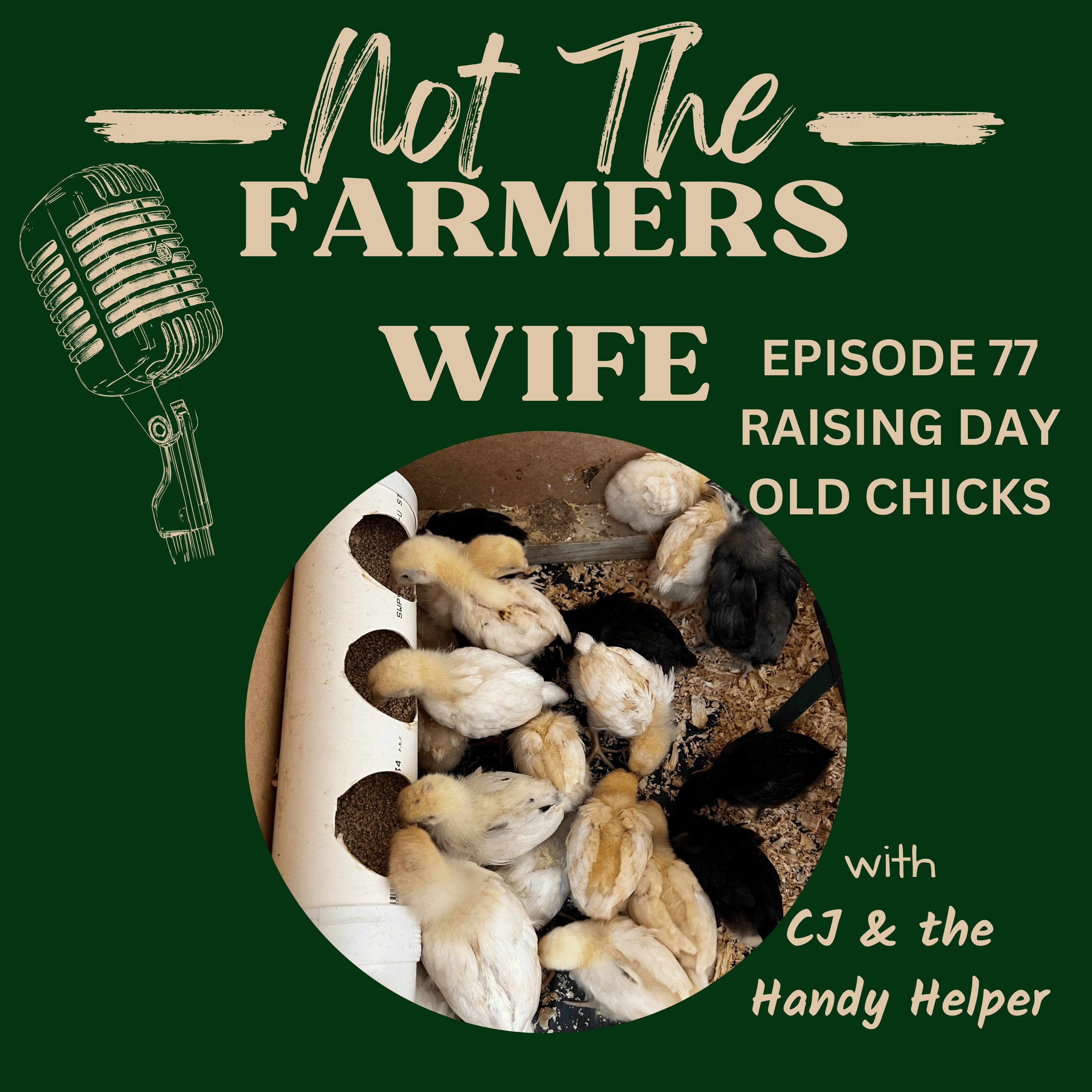
Episode 77 - Raising Day Old Chicks episode artwork

EPISODE · Aug 18, 2024 · 58 MIN

Episode 77 - Raising Day Old Chicks

from Ditch The Store · host CJ Steedman

Raising Day Old Chicks    Housing & Space Requirements    - Brooder Setup: A brooder is a warm, enclosed space where the chicks will live for the first few weeks. It can be a large plastic bin, a wooden box, or a designated area within a coop.    - Size: Ensure the brooder is large enough for the chicks to move around freely. Approximately 0.05 square meters (0.5 square feet) per chick to start, expanding as they grow.    - Ventilation: Adequate ventilation is crucial to prevent respiratory issues.    - Protection: Ensure the brooder is secure from predators, (including mice and rats) and other pets.    Heat Source    - Heat Lamp: Use a heat lamp or a brooder heat plate to keep the chicks warm. The temperature should be around 35°C (95°F) for the first week, then decrease by 2.5°C (5°F) each week until they are fully feathered.    - Thermometer: Place a thermometer at chick level to monitor the temperature inside the brooder. Also watch their behaviour, if all gathered together under the heat lamp, it may be too cold. If they are all away from the heat lamp and panting, then it may be too hot.    Bedding    - Material: Use absorbent materials like pine shavings, straw, or shredded paper. Avoid cedar shavings as they can be harmful.    - Depth: Start with about 2.5-5 cm (1-2 inches) of bedding, and you can change it regularly to maintain cleanliness. Or use the deep fill method, place fresh bedding down almost daily to cover the waste.     Feeding    - Chick Starter Feed: Provide a high-quality chick starter feed that is specifically formulated for baby chicks. It should have 18-20% protein. Most of these are medicated because this is when a disease will affect chicks the most.    - Feeder: Use a feeder that prevents chicks from scratching out and wasting food. Make sure it’s always filled with fresh feed.    - Grit: Chicks need grit (tiny stones) to help digest food if they’re eating anything other than starter feed.    Watering    - Waterer: Use a shallow chick waterer to prevent drowning. Change the water daily to keep it clean and fresh.    - Placement: Ensure the waterer is placed on a raised platform or at the same level as the chick’s back to prevent bedding from being kicked into it.    Health Care    - Observation: Watch for signs of illness, such as lethargy, loss of appetite, or abnormal droppings.    - Pasty Butt: This is a condition where droppings stick to a chick’s vent, potentially blocking it. Check daily and clean as needed with warm water.    - Vaccinations: Vaccination is a personal choice and you need to do research yourself and consider what is best for your circumstances. However, consider vaccinating your chicks for common diseases like Marek’s disease, depending on your area and risk factors.     Socialization & Behavior    - Handling: Gently handle the chicks daily to get them used to human interaction. This helps with future management and reduces stress.    - Pecking Order: Understand that chicks will naturally establish a pecking order. Intervene only if pecking becomes harmful.    Lighting    - Day/Night Cycle: Ensure chicks have a normal day/night cycle with light during the day and darkness at night. Use a red bulb for heat if using a heat lamp at night to avoid disrupting their sleep.    Transitioning to the Coop    - Timing: Around 6-8 weeks, once chicks are fully feathered, they can be transitioned to an outdoor coop.    - Integration: If you already have older chickens, introduce the chicks gradually to prevent bullying.    Legal Considerations    - Local Ordinances: Check local laws and regulations regarding raising chickens. Some areas have restrictions on the number of chickens or the keeping of roosters.    - Zoning Laws: Ensure your property is zoned for keeping poultry.    Supplies Checklist (yes these are affiliate links)    - Brooder Box - https://amzn.to/3M39yb6    - Heat Lamp/Brooder Plate - https://amzn.to/4dALnfC    - Thermometer - https://amzn.to/3Ao85JR    - Bedding Material - buy from your local produce or tractor supply store    - Starter Feed - buy from your local produce or tractor supply store    - Chick Feeder & Chick Waterer - https://amzn.to/3WY8VFY    - Grit (if needed) - buy from your local produce or tractor supply store    - Cleaning Supplies (for the brooder and waterer) - https://amzn.to/3X2fI1t    - First Aid Kit (with essentials like electrolytes, probiotics, and antiseptic)     - Antiseptic - https://amzn.to/4cosHyV, Electrolytes - https://amzn.to/4fEvCX1, Probiotics - https://amzn.to/4cn80n4  Time Commitment    - Daily Care: Chicks need daily attention, including feeding, watering, checking temperatures, and cleaning the brooder.    - Long-Term Care: Consider the commitment of raising chickens for their entire lifespan, which can be 6-10 years or more.

Raising Day Old Chicks    Housing & Space Requirements    - Brooder Setup: A brooder is a warm, enclosed space where the chicks will live for the first few weeks. It can be a large plastic bin, a wooden box, or a designated area within a coop.    - Size: Ensure the brooder is large enough for the chicks to move around freely. Approximately 0.05 square meters (0.5 square feet) per chick to start, expanding as they grow.    - Ventilation: Adequate ventilation is crucial to prevent respiratory issues.    - Protection: Ensure the brooder is secure from predators, (including mice and rats) and other pets.    Heat Source    - Heat Lamp: Use a heat lamp or a brooder heat plate to keep the chicks warm. The temperature should be around 35°C (95°F) for the first week, then decrease by 2.5°C (5°F) each week until they are fully feathered.    - Thermometer: Place a thermometer at chick level to monitor the temperature inside the brooder. Also watch their behaviour, if all gathered together under the heat lamp, it may be too cold. If they are all away from the heat lamp and panting, then it may be too hot.    Bedding    - Material: Use absorbent materials like pine shavings, straw, or shredded paper. Avoid cedar shavings as they can be harmful.    - Depth: Start with about 2.5-5 cm (1-2 inches) of bedding, and you can change it regularly to maintain cleanliness. Or use the deep fill method, place fresh bedding down almost daily to cover the waste.     Feeding    - Chick Starter Feed: Provide a high-quality chick starter feed that is specifically formulated for baby chicks. It should have 18-20% protein. Most of these are medicated because this is when a disease will affect chicks the most.    - Feeder: Use a feeder that prevents chicks from scratching out and wasting food. Make sure it’s always filled with fresh feed.    - Grit: Chicks need grit (tiny stones) to help digest food if they’re eating anything other than starter feed.    Watering    - Waterer: Use a shallow chick waterer to prevent drowning. Change the water daily to keep it clean and fresh.    - Placement: Ensure the waterer is placed on a raised platform or at the same level as the chick’s back to prevent bedding from being kicked into it.    Health Care    - Observation: Watch for signs of illness, such as lethargy, loss of appetite, or abnormal droppings.    - Pasty Butt: This is a condition where droppings stick to a chick’s vent, potentially blocking it. Check daily and clean as needed with warm water.    - Vaccinations: Vaccination is a personal choice and you need to do research yourself and consider what is best for your circumstances. However, consider vaccinating your chicks for common diseases like Marek’s disease, depending on your area and risk factors.     Socialization & Behavior    - Handling: Gently handle the chicks daily to get them used to human interaction. This helps with future management and reduces stress.    - Pecking Order: Understand that chicks will naturally establish a pecking order. Intervene only if pecking becomes harmful.    Lighting    - Day/Night Cycle: Ensure chicks have a normal day/night cycle with light during the day and darkness at night. Use a red bulb for heat if using a heat lamp at night to avoid disrupting their sleep.    Transitioning to the Coop    - Timing: Around 6-8 weeks, once chicks are fully feathered, they can be transitioned to an outdoor coop.    - Integration: If you already have older chickens, introduce the chicks gradually to prevent bullying.    Legal Considerations    - Local Ordinances: Check local laws and regulations regarding raising chickens. Some areas have restrictions on the number of chickens or the keeping of roosters.    - Zoning Laws: Ensure your property is zoned for keeping poultry.    Supplies Checklist (yes these are affiliate links)    - Brooder Box - https://amzn.to/3M39yb6    - Heat Lamp/Brooder Plate - https://amzn.to/4dALnfC    - Thermometer - https://amzn.to/3Ao85JR    - Bedding Material - buy from your local produce or tractor supply store    - Starter Feed - buy from your local produce or tractor supply store    - Chick Feeder & Chick Waterer - https://amzn.to/3WY8VFY    - Grit (if needed) - buy from your local produce or tractor supply store    - Cleaning Supplies (for the brooder and waterer) - https://amzn.to/3X2fI1t    - First Aid Kit (with essentials like electrolytes, probiotics, and antiseptic)     - Antiseptic - https://amzn.to/4cosHyV, Electrolytes - https://amzn.to/4fEvCX1, Probiotics - https://amzn.to/4cn80n4  Time Commitment    - Daily Care: Chicks need daily attention, including feeding, watering, checking temperatures, and cleaning the brooder.    - Long-Term Care: Consider the commitment of raising chickens for their entire lifespan, which can be 6-10 years or more.

NOW PLAYING

Episode 77 - Raising Day Old Chicks

0:00 58:41

No transcript for this episode yet

We transcribe on demand. Request one and we'll notify you when it's ready — usually under 10 minutes.

Big Old Life: Heather Blackbird interviews people on planet earth. Heather Blackbird loves asking questions. This podcast is a learning experience. Join me, Heather Blackbird, as I talk to people about their lives. Frequency of new episodes is a little all over the place and I'm learning as I go. Big Old Life is a small way of talking about the vastness of life, one person at a time. If you are reading this or found this podcast it's probably because someone you know gave you a link to it. :) Explicit Tales Of A Superstar DJ The Insomniac Spun seemingly out of nowhere from her complacent life in the corporate world, turned seemingly overnight from 16-Hour shift work and into the life of a literally starving artist and working musician, The Protagonist navigates her supposed rise to fame and superstardom on a journey through spiritual awakening, coming-of-age, and intimate self-realization--guided by an omnipresent force and equipped with the power of love, magic, and music. {Enter The Multiverse.} [The Festival Project] The Festival Project, Inc.™ is a multidimensional multimedia platform which encompasses exploratory and artistic social personifications and expressions on cosmic theory, spirituality, growth, health & wellness, philosophy and theoretic dynamics in entertainment such as music, design, film, television, radio, dance and festival culture, art, fashion, literature, and science. The Festival Project™ and its subsidiary Non-Profit, The Collective Complex © aims to challenge modern artistic and philosop Explicit Bitcoin Is Dead Trey Carson Welcome to Bitcoin is Dead, the ultimate Bitcoin variety show where host Trey takes you on a journey through the ever-evolving world of Bitcoin. Each episode brings new personalities, fascinating locations, and insightful conversations with politicians, educators, and innovators shaping the future of Bitcoin. Whether you're a seasoned Bitcoiner or just starting your journey, tune in for thought-provoking discussions, unique perspectives, and a deep dive into the ideas and people driving the Bitcoin revolution. Explicit The Sacred +Profane Podcast nephtaragrace The Sacred + Profane Podcast is a provocative conversation dedicated to cementing a better future for all. We specialize in unpacking the nuances of what is considered sacred and profane, particularly focusing on sex, death, and all that pertains to the circle of life. Our aim in focusing on such ”taboo” subject matter is to demystify what is unconscious, bring to light what has been known for centuries as ”the occult,” and empower the rapid transformation that is occurring on the Planet. Explicit

Frequently Asked Questions

How long is this episode of Ditch The Store?

This episode is 58 minutes long.

When was this Ditch The Store episode published?

This episode was published on August 18, 2024.

What is this episode about?

Raising Day Old Chicks    Housing & Space Requirements    - Brooder Setup: A brooder is a warm, enclosed space where the chicks will live for the first few weeks. It can be a large plastic bin, a wooden box, or a designated area within a...

Can I download this Ditch The Store episode?

Yes, you can download this episode by clicking the download button on the episode player, or subscribe to the podcast in your preferred podcast app for automatic downloads.
URL copied to clipboard!