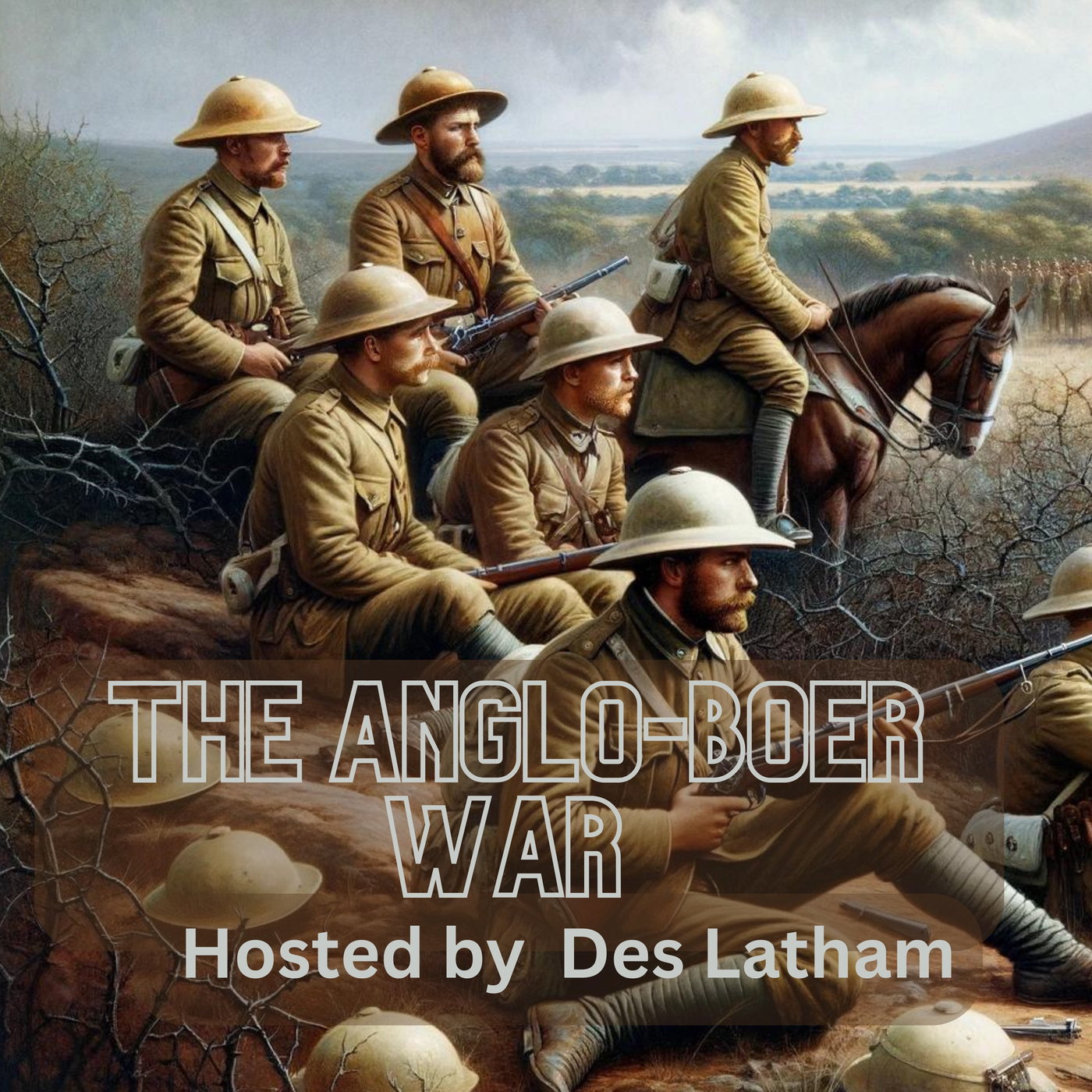
Episode 99 - A Devil's Gorge, an executed priest, and the madness of Breaker Morant episode artwork

EPISODE · Aug 11, 2019 · 24 MIN

Episode 99 - A Devil's Gorge, an executed priest, and the madness of Breaker Morant

from The Anglo-Boer War · host Desmond Latham

It’s early August 1901 and a series of events in a far off corner of the war would end up resonating internationally for the next one hundred and 18 years. These involved the Bushveld Carbineers, the unit of irregular troops from Australia that was eventually disbanded. I covered part of this story in an earlier podcast, Episode 72. Because most of these events happened in August 1901, and that's where we are in our podcast series, we must reconsider the story of Breaker Morant. The events that led to the Morant and his partner in crime, Lieutenant Handcock, are still clouded in controversy. Very few stories resonate so continuously as this. We need to take a closer look once more. By February 1901 a 320-man regiment had been formed by Australian colonel Robert Lenehan which was based in Pietersburg 180 miles north of Pretoria. It was called the Bushveld Carbineers As I’ve described, the northern Transvaal area where they were based is largely lowveld, extremely hot and dry, dusty in summer, warmer than the high veld where Pretoria is based. There’s a slow descent from Pretoria to the low veld town of Pietersburg which is known as Polokwane today. It was also a slow descent into the madness of war for the Bushveld Carbineers and their officers as we will hear. By the summer of 1901, rumours had reached the Officer Commanding at Pietersburg "of poor discipline, unconfirmed murders, drunkenness, and general lawlessness in the Spelonken.” That was the name of the region - Spelonken which itself has a discordant feel. Spelonken means caves in Dutch. The main example of indiscipline was rape. A local woman had accused British Army Officer James Robertson, the officer commanding of the Bushveldt Carbineers A Squadron of sexual assault. In response, Robertson was recalled to HQ and given an ultimatum. Court Martial, or resign his commission. He submitted his resignation and quit the British Army. Modern organisational planning includes what’s known as the culture of organisations. And alas, the culture of the the Bushveld Carbineers was steeped in abuse. Former Kitchener Fighting Scout Lieutenant Percy Frederick Hunt was ordered to the northern Transvaal and given command of the Bushveld Carbineers B Squadron. Before leaving Pietersburg in July 1901, the newly promoted Captain Hunt asked for a number of officers to be transferred with him to his new field of command. These officers were Lieutenant’s Morant, Charles Hannam and Harry Picton. An emblematic moment as we'll see. The Bushveld Carbineers were building a name for themselves in this region and it wasn't positive. With Hunt officer commanding the detachment at Fort Edward in Spelonken, both lieutenant Morant and Handcock began to reimpose discipline which had been lacking. They would take the concept of retribution far beyond what is acceptable in war.

It’s early August 1901 and a series of events in a far off corner of the war would end up resonating internationally for the next one hundred and 18 years. These involved the Bushveld Carbineers, the unit of irregular troops from Australia that was eventually disbanded. I covered part of this story in an earlier podcast, Episode 72. Because most of these events happened in August 1901, and that's where we are in our podcast series, we must reconsider the story of Breaker Morant. The events that led to the Morant and his partner in crime, Lieutenant Handcock, are still clouded in controversy. Very few stories resonate so continuously as this. We need to take a closer look once more. By February 1901 a 320-man regiment had been formed by Australian colonel Robert Lenehan which was based in Pietersburg 180 miles north of Pretoria. It was called the Bushveld Carbineers As I’ve described, the northern Transvaal area where they were based is largely lowveld, extremely hot and dry, dusty in summer, warmer than the high veld where Pretoria is based. There’s a slow descent from Pretoria to the low veld town of Pietersburg which is known as Polokwane today. It was also a slow descent into the madness of war for the Bushveld Carbineers and their officers as we will hear. By the summer of 1901, rumours had reached the Officer Commanding at Pietersburg "of poor discipline, unconfirmed murders, drunkenness, and general lawlessness in the Spelonken.” That was the name of the region - Spelonken which itself has a discordant feel. Spelonken means caves in Dutch. The main example of indiscipline was rape. A local woman had accused British Army Officer James Robertson, the officer commanding of the Bushveldt Carbineers A Squadron of sexual assault. In response, Robertson was recalled to HQ and given an ultimatum. Court Martial, or resign his commission. He submitted his resignation and quit the British Army. Modern organisational planning includes what’s known as the culture of organisations. And alas, the culture of the the Bushveld Carbineers was steeped in abuse. Former Kitchener Fighting Scout Lieutenant Percy Frederick Hunt was ordered to the northern Transvaal and given command of the Bushveld Carbineers B Squadron. Before leaving Pietersburg in July 1901, the newly promoted Captain Hunt asked for a number of officers to be transferred with him to his new field of command. These officers were Lieutenant’s Morant, Charles Hannam and Harry Picton. An emblematic moment as we'll see. The Bushveld Carbineers were building a name for themselves in this region and it wasn't positive. With Hunt officer commanding the detachment at Fort Edward in Spelonken, both lieutenant Morant and Handcock began to reimpose discipline which had been lacking. They would take the concept of retribution far beyond what is acceptable in war.

NOW PLAYING

Episode 99 - A Devil's Gorge, an executed priest, and the madness of Breaker Morant

0:00 24:48

No transcript for this episode yet

We transcribe on demand. Request one and we'll notify you when it's ready — usually under 10 minutes.

No similar episodes found.

No similar podcasts found.

Frequently Asked Questions

How long is this episode of The Anglo-Boer War?

This episode is 24 minutes long.

When was this The Anglo-Boer War episode published?

This episode was published on August 11, 2019.

What is this episode about?

It’s early August 1901 and a series of events in a far off corner of the war would end up resonating internationally for the next one hundred and 18 years. These involved the Bushveld Carbineers, the unit of irregular troops from Australia that...

Can I download this The Anglo-Boer War episode?

Yes, you can download this episode by clicking the download button on the episode player, or subscribe to the podcast in your preferred podcast app for automatic downloads.
URL copied to clipboard!