Skip to content
Equanimity: Looking Ahead episode artwork

EPISODE · Jun 10, 2010

Equanimity: Looking Ahead

from Spring 2010 Shamatha Retreat · host B. Alan Wallace

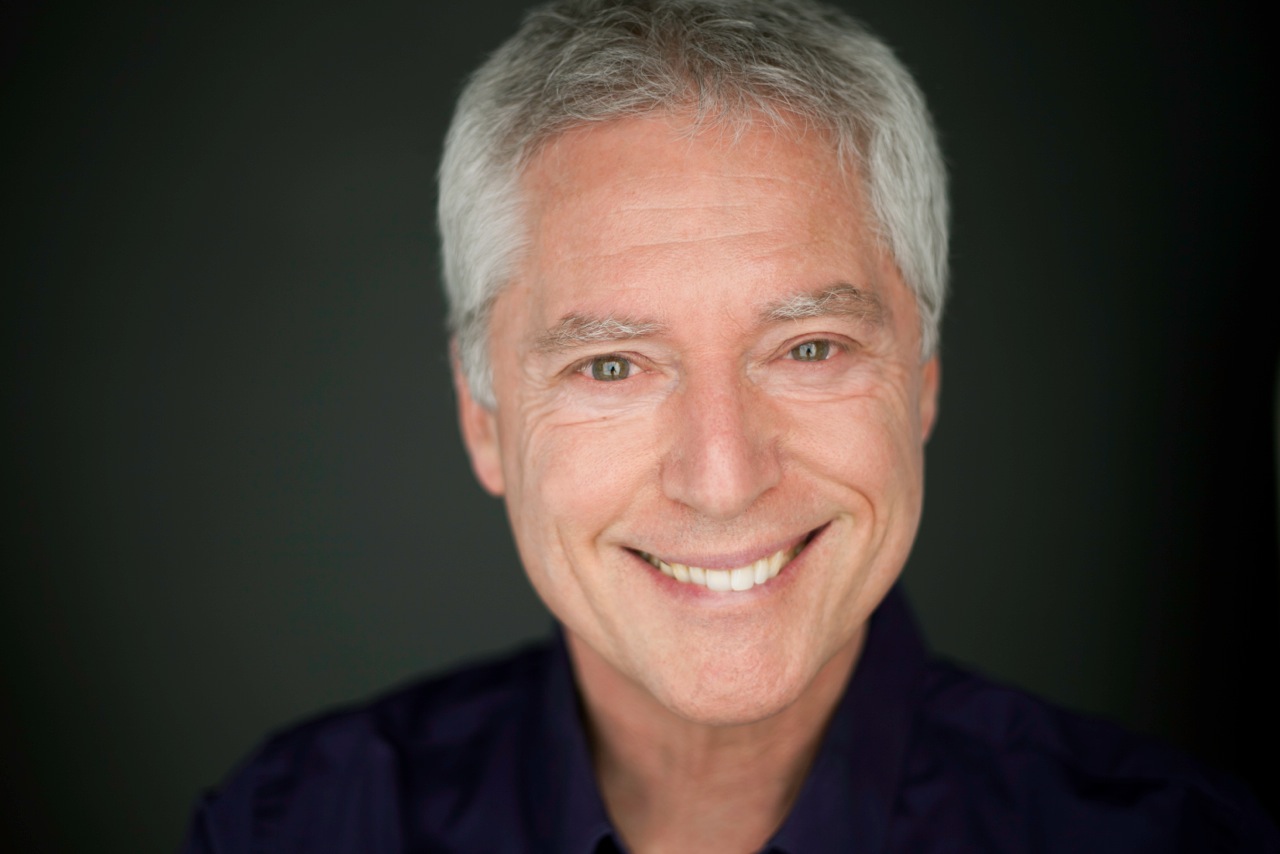
This afternoon Alan started by sharing a story about his first meditation counsel with Geshe Rabten, and the two topics that he suggested for meditation: Precious Human Rebirth and Equanimity. He emphasizes the importance of Equanimity and seeing through the "I-It" relationship with others (for more on this topic refer to previous episodes), and also highlights the importance of balancing the urgency that can arise from meditating on the precious human rebirth. He suggests not being shortsighted, and taking the time to develop the Four Immeasurables correctly, however long that may take, knowing it is the path. Alan then very poetically goes into the instructions for the practice, talking about ending one phase (retreat) but starting a new one afterwards, and to symbolize this the retreat will end on a new moon, a new start. For the practice, Alan instructs "seeing through" appearances and like a metallurgist separating the positive feelings from the negative feelings, looking towards the people we may encounter in the near future as we finish the retreat. After the practice, Alan shares a very encouraging story from his wife about attending a lecture at Oxford in which Prince Charles spoke magnificently, stressing the importance of spiritual vision and saying that science alone will not save us. Following that, there are a few great questions from Adeline, starting from the phrase "nothing can harm the mind" and relating this to practices like Voodoo. Alan shares a relevant story about Voodoo from Dharamsala, a part of the life of Milarepa, and another story about Virupa and some protector deities, all to illustrate his points. Then he explains how to protect the mind, emphasising the benefits of metta. For example: http://www.sota.dhamma.org/metta.htm Then we have a question about the difference between Awareness and Attention, to which Alan gives the scientific answer, the regular Buddhist answer, and the Dzogchen answer. Finally, we have a question from Kathleen about "disclosure" in our practice, to which Alan responds with great information about how we can share our experiences with wisdom and with tact, if we choose to do so at all. This very artistic photo is from Malcolm.

Episode metadata supplied by the publisher feed · Published Jun 10, 2010

Embed this episode

Ready to play

Equanimity: Looking Ahead

0:00 0:00

No transcript for this episode yet

We transcribe on demand. Request one and we'll notify you when it's ready — usually under 10 minutes.

No similar episodes found.

Ukraine - History in the Making Emil Juhler When I started the conversation series ”Ukraine - History in the Making” I could have never imagined where this journey would lead me. It all started in March 2023 after I got home from an exchange stay in Chile and felt, that I had to do more for Ukraine, than what I did on my social media accounts and on the streets in the spring and summer of 2022. I think most of us remember that initial period after Ruzzia’s the full-scale invasion of Ukraine. Speaking from a European/Danish point of view it was a time of big fear, desperation and uncertainty, but also a time of high hopes, energy and big solidarity. In the very first conversation of the show with Veronika Netrebenko, she says the following about the feelings of Ukrainians during the Maidan Revolution: ”We understood we gotta fight for it, and it was something totally different, we felt different, we felt that we need to fight for it”. To a certain degree I believe you can say the same about what happened within the hearts and mi Mufti Menk Muslim Central Mufti Menk, (Doctor, Mufti, Ismail Menk) is a leading global Islamic scholar born and raised in Zimbabwe. He studied Shariah in Madinah and holds a Doctorate of Social Guidance from Aldersgate University.Mufti Menk’s work has gained worldwide recognition and he has been named one of “The Top 500 Most Influential Muslims in the World” since 2010.He has millions of followers across his social media platforms. Mufti Menk’s personable style and down to earth approach has made him one of the most sought after scholars in our time. He has endeared himself to people with his much loved lecture series, a Mufti Menk hallmark.He travels the world spreading a simple but profound message: “Do good, help others while preparing for the Hereafter”.He is active in the international arena and is a strong proponent of peace and justice, speaking up against all forms of terrorism. Hamza Yusuf Muslim Central Hamza Yusuf is a cofounder of Zaytuna College, located in Berkeley, California. He is an advisor to Stanford University’s Program in Islamic Studies and the Center for Islamic Studies at Berkeley’s Graduate Theological Union. He also serves as vice-president for the Global Center for Guidance and Renewal, which was founded and is currently presided over by Shaykh Abdallah bin Bayyah, one of the top jurists and masters of Islamic sciences in the world. Recently, Hamza Yusuf was ranked as “the Western world’s most influential Islamic scholar” by The 500 Most Influential Muslims. Hamza Yusuf has also authored several encyclopedia articles and research papers. His published books include The Burda (2003), Purification of the Heart (2004), The Content of Character (2004), The Creed of Imam al-Tahawi (2007), Agenda to Change our Condition (2007), Walk on Water (2010), and The Prayer of the Oppressed (2010).Shaykh Hamza was born in Washington State and raised in Northern California. In 1977

Frequently Asked Questions

When was this Spring 2010 Shamatha Retreat episode published?

This episode was published on June 10, 2010.

Can I download this Spring 2010 Shamatha Retreat episode?

Yes. Use the download control on the episode player to save the publisher-provided media file.
URL copied to clipboard!