
EPISODE · Feb 17, 2025 · 17 MIN
Escalating Red Tide Algae Bloom in Florida and its Impacts
from Meteorology Matters
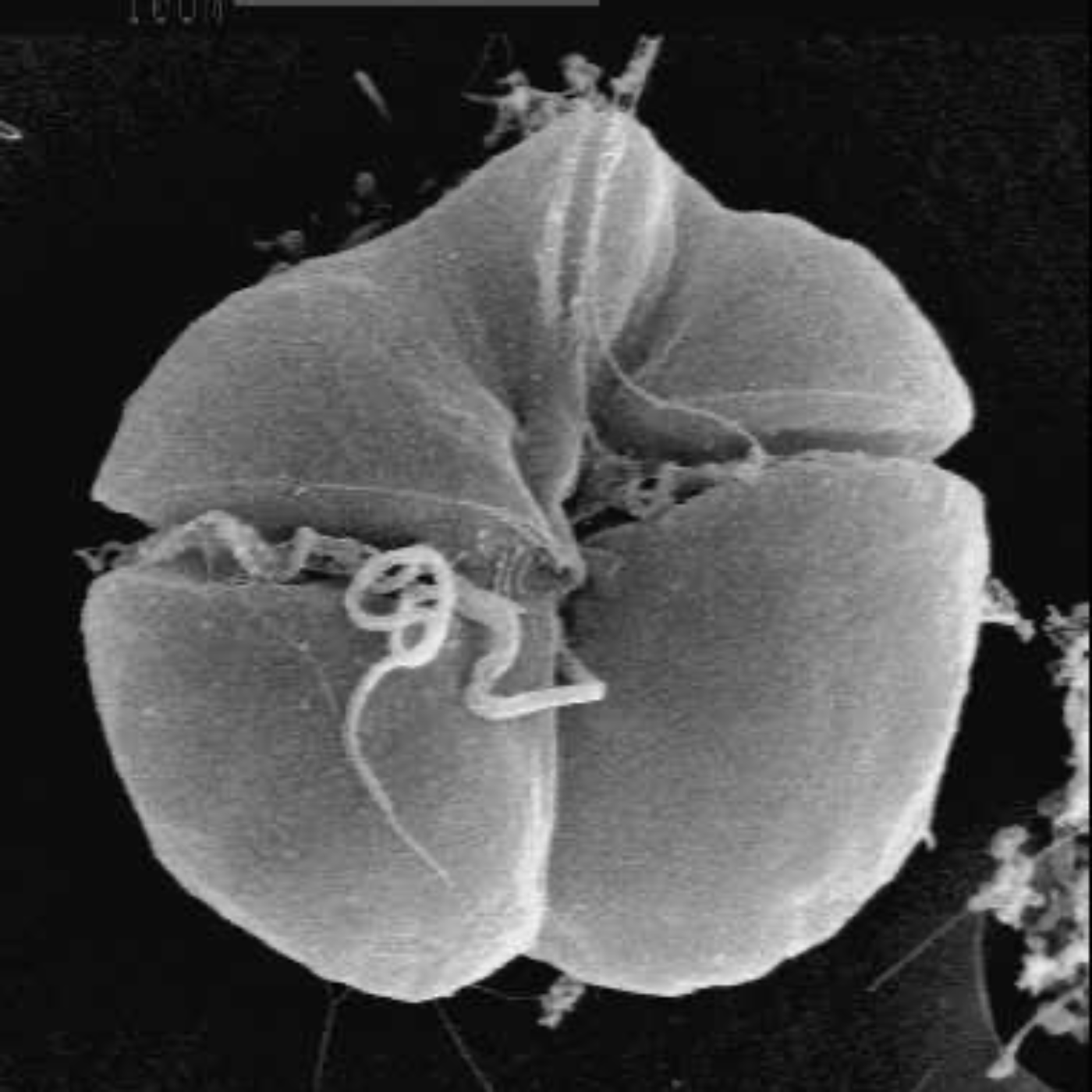
Florida Red Tide Crisis (February 2025)Subject: Escalating Red Tide Algae Bloom in Florida and its ImpactsFlorida is experiencing a significant red tide bloom along its southwest coast in February 2025. Environmental groups are urging Governor DeSantis to declare a state of emergency due to the widespread marine life deaths, potential human health risks (respiratory irritation, skin irritation), and economic impact on tourism. A recent Mote Marine Laboratory study has revealed a potential link between red tide blooms and long-term acidification of Florida's estuaries, exacerbating the environmental threat. This bloom is unusual for occurring during the winter months.Key Themes and Findings:Current Red Tide Situation:Extent: The red tide bloom stretches from Tampa Bay to the Florida Keys.Cause: The bloom is caused by Karenia brevis, a naturally occurring alga.Triggers: While K. brevis is always present, this bloom is intensified by warmer-than-usual temperatures (possibly related to La Niña). The Guardian article also suggests that Hurricanes Helene and Milton tore up nutrient-rich waters that feed the algae.Impacts:Marine Life: "Dead fish have washed up on several beaches, and the outbreak is suspected in the deaths of two dolphins found offshore in Collier county." Mass die-offs of fish and other marine life (turtles) are occurring. The red tide creates a fatal habitat for in-water and waterfront residents and visitors. If the microorganisms are concentrated at over 10,000-cell-per-liter rate, fish of all kinds can start dying.Human Health: Red tides can cause skin irritation and respiratory distress in humans and animals.Economic Impact: Tourism is threatened due to beach closures, foul smells, and health concerns. "By the time it’s affecting a community there’s potentially millions of dollars in revenue and tourism economy [at risk]." Some small businesses have temporarily closed.Environmental Impacts: "The study connects increased harmful algae blooms with the long-term acidification of Florida’s estuaries." Red tide blooms can cause localized biological acidification events as the algae decomposes, releasing carbon dioxide back into the water. This increased acidity is dangerous for coral reef systems and bivalves (oysters, scallops, clams).Call for Emergency Action:Environmental groups are urging Governor DeSantis to declare a state of emergency.Eric Milbrandt of the Sanibel-Captiva Conservation Foundation (SCCF) suggests an emergency management approach, "like a hurricane."The current response relies on the Department of Health and the Florida Wildlife Research Institute, which may be too slow to address the widespread impact.
Embed this episode
NOW PLAYING
Escalating Red Tide Algae Bloom in Florida and its Impacts
No transcript for this episode yet
Similar Episodes
No similar episodes found.
Similar Podcasts
No similar podcasts found.