
EPISODE · Oct 22, 2021 · 45 MIN
Esperanto and Languages of Internationalism in Revolutionary Russia - Brigid O'Keeffe (10.21.21)
from CREECA Lecture Series Podcast · host Center for Russia, East Europe, and Central Asia at the University of Wisconsin, Madison
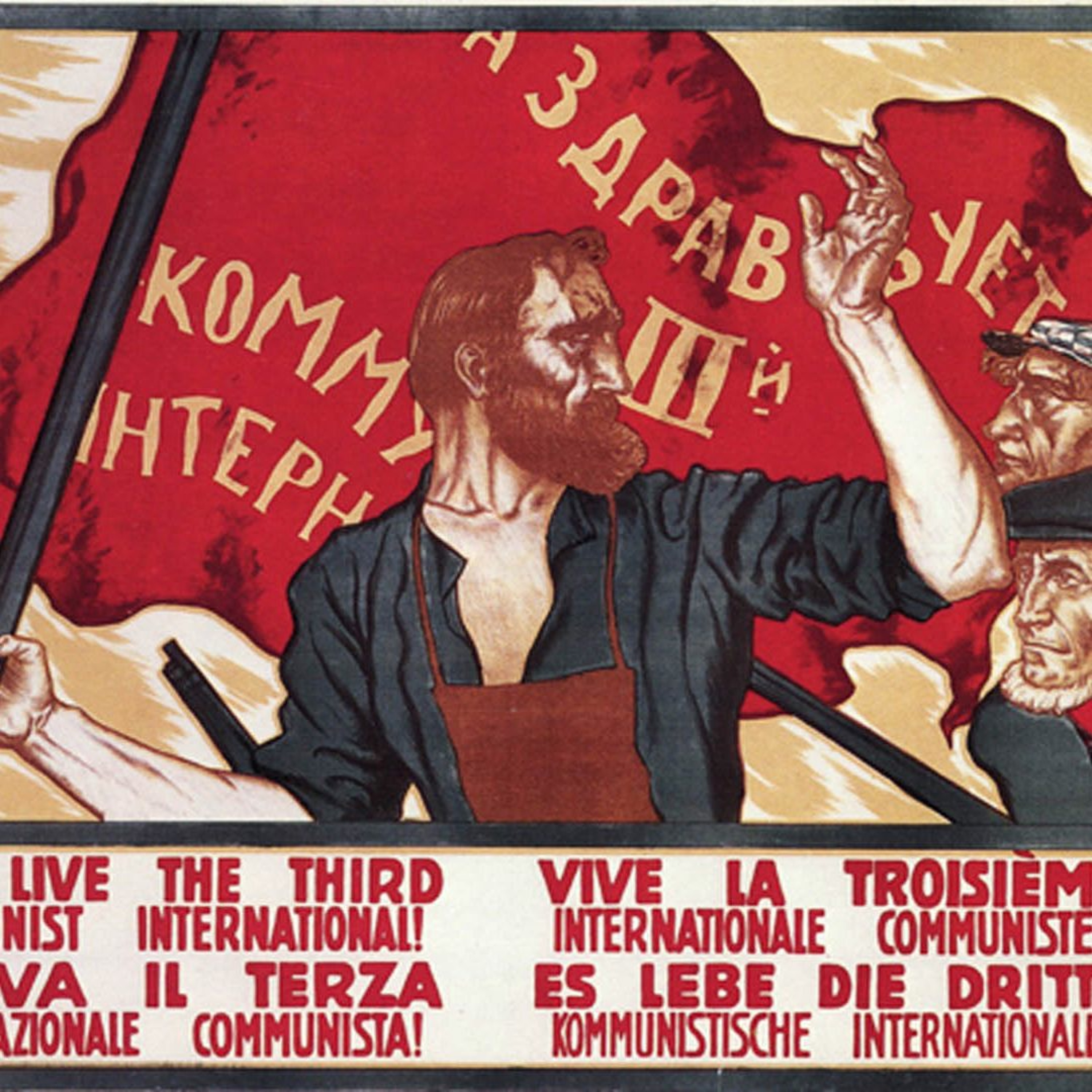
In 1887, a Jewish eye doctor named L.L. Zamenhof launched his international auxiliary language “Esperanto” from the western borderlands of a tsarist empire in crisis. Brigid O’Keeffe traces the history of Esperanto as a utopian vision rooted in late imperial Russian culture through to its rise as a vibrant global movement that inspired women and men around the world in the late nineteenth and early twentieth centuries. Although Esperanto and Esperantists have long been dismissed to the margins and footnotes of history, O’Keeffe proposes that revolutionary Russia’s Esperantists were exemplars of their era. Their triumphs, frustrations, and tragedies illuminate how and why the Soviet Union ultimately rejected an international language for the global proletariat and chose instead to elevate Russian – “the language of Lenin” – as the language of socialist internationalism.
Embed this episode
Ready to play
Esperanto and Languages of Internationalism in Revolutionary Russia - Brigid O'Keeffe (10.21.21)
No transcript for this episode yet
Similar Episodes
No similar episodes found.
Similar Podcasts
No similar podcasts found.