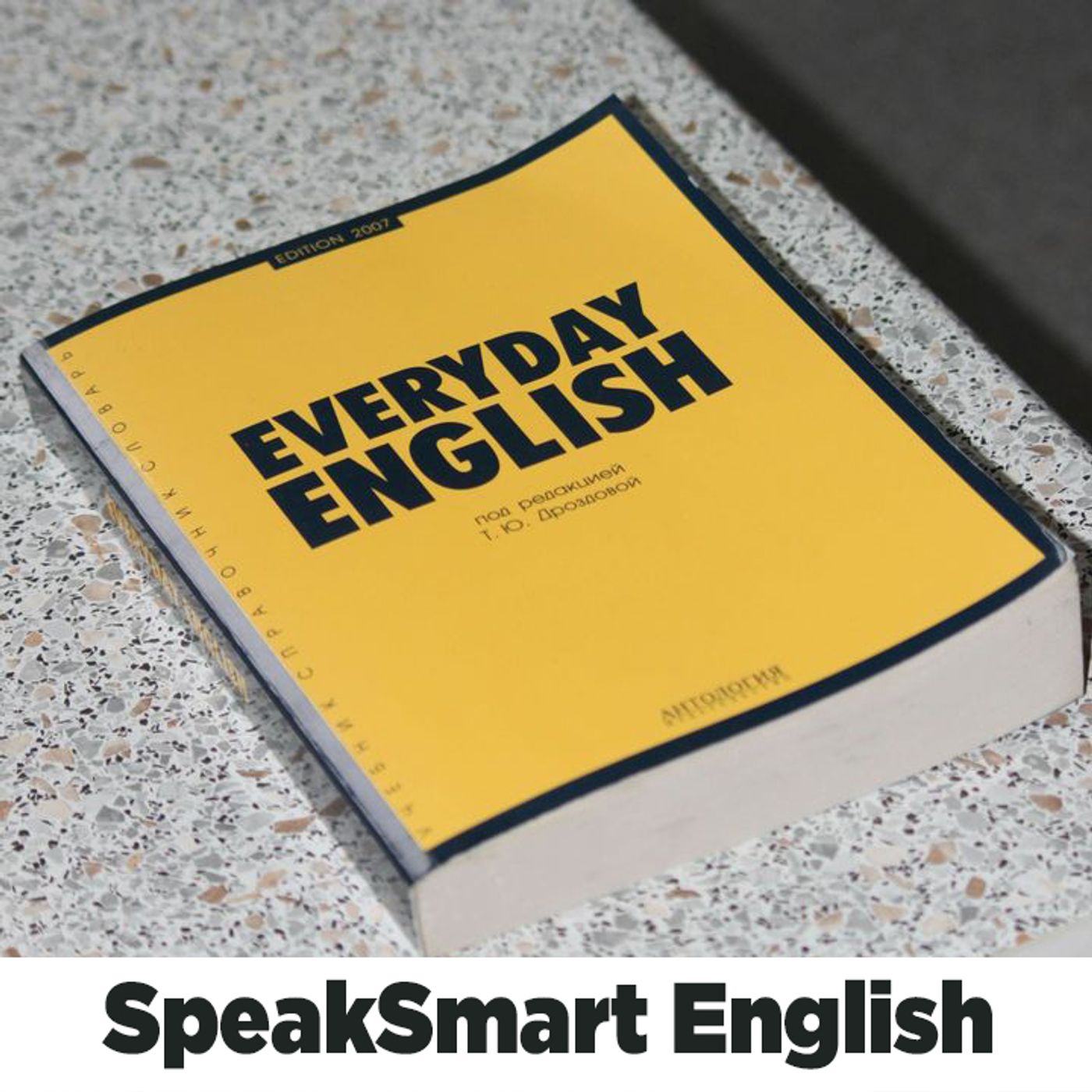
Essential English Sentences for Natural Conversations episode artwork

EPISODE · Jun 8, 2026 · 39 MIN

Essential English Sentences for Natural Conversations

from SpeakSmart English · host Norse Studio

Mastering everyday English involves knowing the right phrases for various social and professional situations.Using natural expressions helps you sound polite, confident, and well-connected. Here is a breakdown of essential sentences categorized by everyday scenarios:Social Openers and Greetings When running into someone unexpectedly, saying "small world, isn't it?" expresses a sense of shared coincidence. To check in on someone's life, "what have you been up to lately?" invites personal updates, while "it's been ages" acknowledges a long time since your last meeting. If you want to offer a polite compliment, "you're looking well" is a safe and mature choice. When asked how you are doing, you can reply with "can't complain really" to indicate you are doing fine, or "same old, same old" to show that life is routine and nothing new is happening. To close a conversation warmly, use "nice catching up" or leave the door open for future contact by saying "drop me a message sometime".Shopping and Services Engaging politely with salespeople can be done by asking, "could you tell me more about this one?". When considering a purchase, it is useful to ask "is there a warranty included?" for expensive items, or "do you offer any discounts?" to tactfully discuss price. If an item is too expensive, a soft way to decline is saying "that's a bit outside my budget". If you need more time to decide or want to exit without pressure, use phrases like "let me think about it", "I will come back for it later", or simply "I think I will leave it, thanks".Cafes and Restaurants When arriving, you can politely request seating by asking, "could we get a table by the window if possible?". The standard way to order food is to say, "I'll have the [dish], please". If you need more time to decide, ask, "would you mind giving us a few more minutes?". It is also critical to communicate dietary restrictions clearly by stating, "I have a food allergy, does this contain nuts?". When it is time to pay, you might ask "is service included?"to avoid tipping twice, or "can we get separate checks?" if paying individually.Workplace and Professional Settings To suggest a quick follow-up chat, use the classic office phrase "let's touch base later this week". If you need someone to explain an idea more clearly, asking "could you clarify what you meant by that?" keeps you engaged without sounding confrontational. When managing schedules, you can confirm times with "just to double check, we're meeting at two, right?" or formally decline an invitation by saying "I'm afraid I won't be able to make it". During meetings, you can validate others with "that's a great point, I hadn't thought of it that way", or pause a topic by saying "let's table that for now".Making Plans and Social Arrangements To initiate plans casually, ask "are you free this weekend?" or "do you want to grab a coffee sometime?". If you are not ready to commit, tell them "let me check my calendar". If you need to decline but want to leave the door open for the future, say "I might have to take a rain check". For flexible arrangements, "let's play it by ear" means you will decide later based on how things go, and "let's pencil it in" allows you to make a tentative, non-final plan.Become a supporter of this podcast: https://www.spreaker.com/podcast/speaksmart-english--6886546/support.

Mastering everyday English involves knowing the right phrases for various social and professional situations.Using natural expressions helps you sound polite, confident, and well-connected. Here is a breakdown of essential sentences categorized by everyday scenarios:Social Openers and Greetings When running into someone unexpectedly, saying "small world, isn't it?" expresses a sense of shared coincidence. To check in on someone's life, "what have you been up to lately?" invites personal updates, while "it's been ages" acknowledges a long time since your last meeting. If you want to offer a polite compliment, "you're looking well" is a safe and mature choice. When asked how you are doing, you can reply with "can't complain really" to indicate you are doing fine, or "same old, same old" to show that life is routine and nothing new is happening. To close a conversation warmly, use "nice catching up" or leave the door open for future contact by saying "drop me a message sometime".Shopping and Services Engaging politely with salespeople can be done by asking, "could you tell me more about this one?". When considering a purchase, it is useful to ask "is there a warranty included?" for expensive items, or "do you offer any discounts?" to tactfully discuss price. If an item is too expensive, a soft way to decline is saying "that's a bit outside my budget". If you need more time to decide or want to exit without pressure, use phrases like "let me think about it", "I will come back for it later", or simply "I think I will leave it, thanks".Cafes and Restaurants When arriving, you can politely request seating by asking, "could we get a table by the window if possible?". The standard way to order food is to say, "I'll have the [dish], please". If you need more time to decide, ask, "would you mind giving us a few more minutes?". It is also critical to communicate dietary restrictions clearly by stating, "I have a food allergy, does this contain nuts?". When it is time to pay, you might ask "is service included?"to avoid tipping twice, or "can we get separate checks?" if paying individually.Workplace and Professional Settings To suggest a quick follow-up chat, use the classic office phrase "let's touch base later this week". If you need someone to explain an idea more clearly, asking "could you clarify what you meant by that?" keeps you engaged without sounding confrontational. When managing schedules, you can confirm times with "just to double check, we're meeting at two, right?" or formally decline an invitation by saying "I'm afraid I won't be able to make it". During meetings, you can validate others with "that's a great point, I hadn't thought of it that way", or pause a topic by saying "let's table that for now".Making Plans and Social Arrangements To initiate plans casually, ask "are you free this weekend?" or "do you want to grab a coffee sometime?". If you are not ready to commit, tell them "let me check my calendar". If you need to decline but want to leave the door open for the future, say "I might have to take a rain check". For flexible arrangements, "let's play it by ear" means you will decide later based on how things go, and "let's pencil it in" allows you to make a tentative, non-final plan.Become a supporter of this podcast: https://www.spreaker.com/podcast/speaksmart-english--6886546/support.

NOW PLAYING

Essential English Sentences for Natural Conversations

0:00 39:46

No transcript for this episode yet

We transcribe on demand. Request one and we'll notify you when it's ready — usually under 10 minutes.

Al-Quran In English Dr. Soha The complete Quran translation in English, Narrated by Dr. Soha. Hosted on Acast. See acast.com/privacy for more information. The Hobbit by J. R. R. Tolkien Audiobook Raghvendra Singh The journey through Middle-earth begins here with J.R.R. Tolkien's classic prelude to his Lord of the Rings trilogy.“A glorious account of a magnificent adventure, filled with suspense and seasoned with a quiet humor that is irresistible... All those, young or old, who love a fine adventurous tale, beautifully told, will take The Hobbit to their hearts.”—The New York Times Book Review"In a hole in the ground there lived a hobbit." So begins one of the most beloved and delightful tales in the English language—Tolkien's prelude to The Lord of the Rings. Set in the imaginary world of Middle-earth, at once a classic myth and a modern fairy tale, The Hobbit is one of literature's most enduring and well-loved novels.Bilbo Baggins is a hobbit who enjoys a comfortable, unambitious life, rarely traveling any farther than his pantry or cellar. But his contentment is disturbed when the wizard Gandalf and a company of dwarves arrive on his doorstep one day to whisk him away CLO Level 3 Lessons Chinese Learn Online (CLO) Learn Mandarin Chinese with our unique structured immersion course. Each lesson continues where the previous one left off. Level 1 lessons are conducted mainly in English. Later levels in the course will be conducted in Chinese that was taught in earlier levels. Learn English with the British Council and Premier League Jack Radford

Frequently Asked Questions

How long is this episode of SpeakSmart English?

This episode is 39 minutes long.

When was this SpeakSmart English episode published?

This episode was published on June 8, 2026.

What is this episode about?

Mastering everyday English involves knowing the right phrases for various social and professional situations.Using natural expressions helps you sound polite, confident, and well-connected. Here is a breakdown of essential sentences categorized by...

Can I download this SpeakSmart English episode?

Yes, you can download this episode by clicking the download button on the episode player, or subscribe to the podcast in your preferred podcast app for automatic downloads.
URL copied to clipboard!