
EPISODE · Sep 13, 2024 · 30 MIN
Europe: 40000 BC to 1200 BC
from Razib Khan's Unsupervised Learning · host Razib Khan
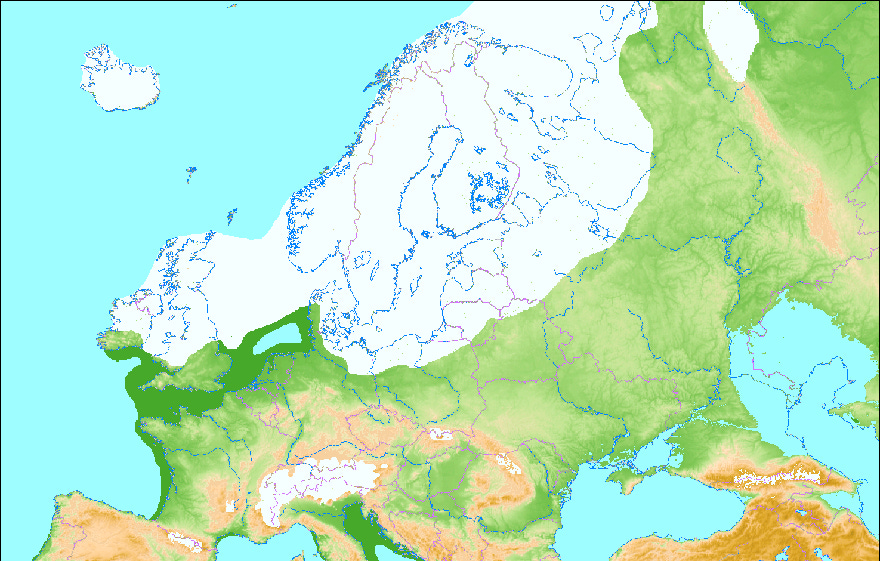
This is a free preview of a paid episode. To hear more, visit www.razibkhan.comIf you have a sibling with autism, your future child’s risk for an autism diagnosis is increased by a factor of 2 to 3.5×. Orchid’s whole genome embryo reports can help mitigate your child’s risk by screening for over 200 genetic variants definitively linked to autism and other neurodevelopmental disorders. Discuss your situation with a genetics expert.On this week’s episode of Unsupervised Learning Razib discusses the genetic and archaeological history of Europe from the arrival of modern humans (permanently) 45,000 years ago, to the end of the Bronze Age in the decades after 1200 BC. He covers these time periods:* Pre-Aurignacian (before 43 kya) * Aurignacian (43-26 kya) * Gravettian (33-21 kya) * Solutrean (22-17 kya) * Magdalenian (17-12 kya) * Epigravettian (21-10 kya) * Mesolithic (12-7 kya) * Neolithic (9-5 kya) * Bronze Age (5-3 kya)Relevant papers:* Reconstructing contact and a potential interbreeding geographical zone between Neanderthals and anatomically modern humans* The Persian plateau served as hub for Homo sapiens after the main out of Africa dispersal* A genome sequence from a modern human skull over 45,000 years old from Zlatý kůň in Czechia* An early modern human from Romania with a recent Neanderthal ancestor* Palaeogenomics of Upper Palaeolithic to Neolithic European hunter-gatherers* Survival of Late Pleistocene Hunter-Gatherer Ancestry in the Iberian Peninsula* A 23,000-year-old southern Iberian individual links human groups that lived in Western Europe before and after the Last Glacial Maximum* Population genomics of Mesolithic Scandinavia: Investigating early postglacial migration routes and high-latitude adaptation* Late Pleistocene human genome suggests a local origin for the first farmers of central Anatolia* Genomic Evidence Establishes Anatolia as the Source of the European Neolithic Gene Pool* Massive migration from the steppe was a source for Indo-European languages in Europe* The genomic ancestry of the Scandinavian Battle Axe Culture people and their relation to the broader Corded Ware horizon* The genomic history of the Iberian Peninsula over the past 8000 years* Steppe Ancestry in western Eurasia and the spread of the Germanic Languages
Embed this episode
Ready to play
Europe: 40000 BC to 1200 BC
No transcript for this episode yet
Similar Episodes
No similar episodes found.
Similar Podcasts
No similar podcasts found.