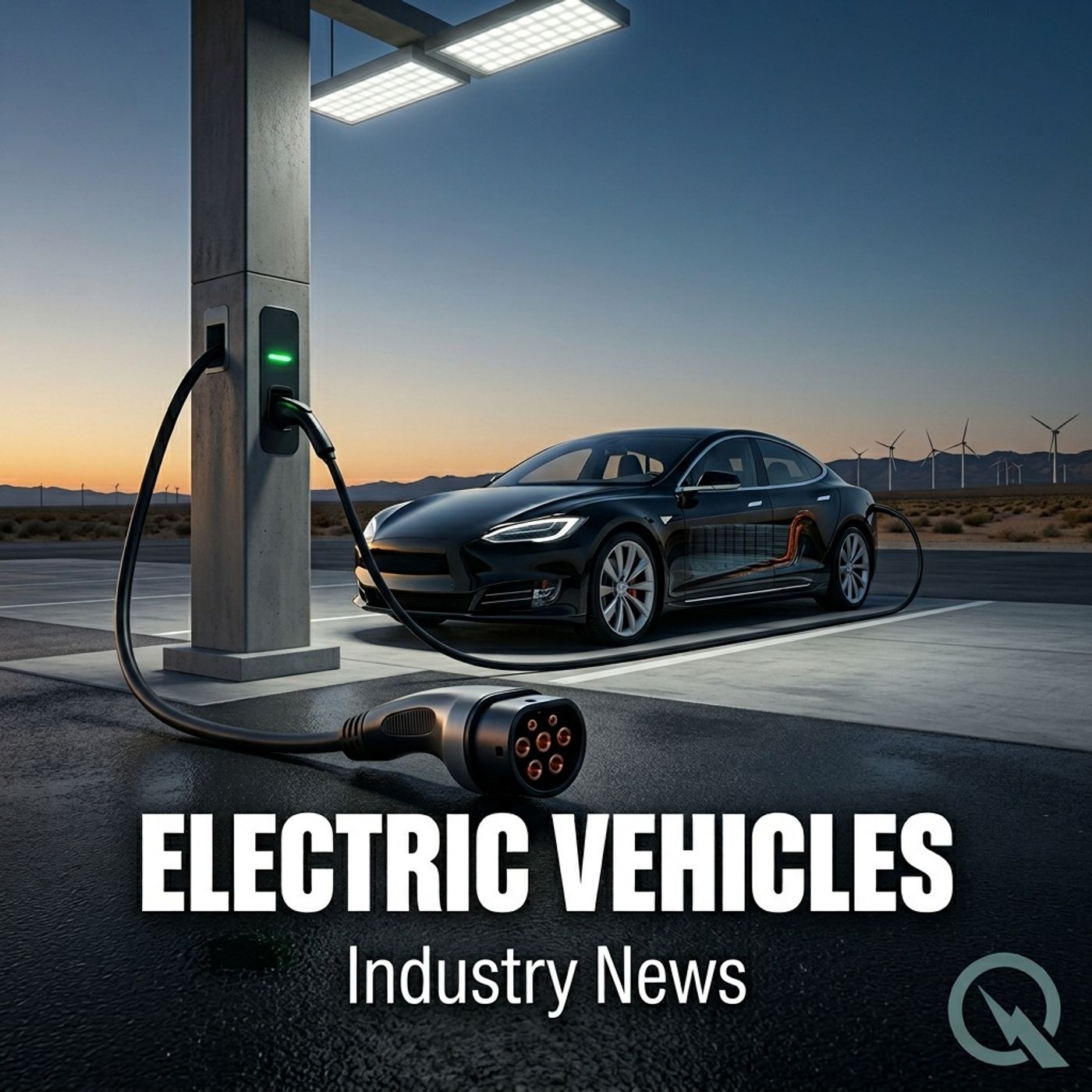
EV Industry Transformation: Pricing Strategies, Regulatory Shifts, and Emerging Competitors episode artwork

EPISODE · Jan 28, 2025 · 3 MIN

EV Industry Transformation: Pricing Strategies, Regulatory Shifts, and Emerging Competitors

from Electric Vehicles Industry News · host Inception Point AI

The electric vehicle (EV) industry is undergoing significant transformations driven by technological advancements, shifting consumer preferences, and regulatory changes. Recent market movements indicate a growing demand for EVs, with experts predicting that they will represent 20-25% of new vehicle sales in the U.S. by 2025[3]. One of the key factors driving this growth is the introduction of stricter emissions regulations. Federal and state governments in the U.S. have set tougher CO2 emission targets, with states like California planning to ban internal combustion engine (ICE) vehicles by 2035. This has led consumers and manufacturers to transition to cleaner alternatives[3]. Advances in battery technology have also made EVs more accessible. Lower battery costs and improved range have increased their appeal, with faster charging times further enhancing their attractiveness. By 2025, EV prices are expected to match those of ICE vehicles, encouraging widespread adoption[3]. The market is also seeing the emergence of new competitors. Chinese auto brands and other foreign OEMs are offering a wide range of new models that are attracting interest among European customers. For instance, BYD and Tesla accounted for 35% of all electric car sales in 2023, while Hyundai-Kia overtook GM and Ford in the U.S. market[2]. However, the industry is also facing challenges. The recent surge in demand for EVs has driven up prices, making them less affordable for some consumers. This has led to a shift towards used cars, with dealerships reporting a 40% increase in customers exploring pre-owned options priced between $15,000 and $25,000[5]. In response to these challenges, industry leaders are adjusting their strategies. Automakers are enhancing their pricing strategies to attract more buyers, offering rebates, cashback offers, and low-APR financing. They are also focusing on reducing manufacturing costs to provide room for price adjustments without sacrificing profitability[1]. Regulatory changes are also playing a crucial role in shaping the EV market. Tax breaks and subsidies for EVs have encouraged buyers to make the switch, but these policies have also driven up demand and prices. Stricter environmental regulations have increased production costs, impacting pricing for traditional gasoline-powered cars[1]. In conclusion, the EV industry is experiencing rapid growth driven by technological advancements, shifting consumer preferences, and regulatory changes. While challenges such as high prices and supply chain disruptions persist, industry leaders are responding by adjusting their pricing strategies and focusing on reducing manufacturing costs. As the market continues to evolve, it is expected that EVs will become increasingly competitive with traditional ICE vehicles, leading to widespread adoption. Recent statistics and data from the past week include: - A 40% increase in customers exploring pre-owned options priced between $15,000 and $25,000[5]. - A This content was created in partnership and with the help of Artificial Intelligence AI.

The electric vehicle (EV) industry is undergoing significant transformations driven by technological advancements, shifting consumer preferences, and regulatory changes. Recent market movements indicate a growing demand for EVs, with experts predicting that they will represent 20-25% of new vehicle sales in the U.S. by 2025[3]. One of the key factors driving this growth is the introduction of stricter emissions regulations. Federal and state governments in the U.S. have set tougher CO2 emission targets, with states like California planning to ban internal combustion engine (ICE) vehicles by 2035. This has led consumers and manufacturers to transition to cleaner alternatives[3]. Advances in battery technology have also made EVs more accessible. Lower battery costs and improved range have increased their appeal, with faster charging times further enhancing their attractiveness. By 2025, EV prices are expected to match those of ICE vehicles, encouraging widespread adoption[3]. The market is also seeing the emergence of new competitors. Chinese auto brands and other foreign OEMs are offering a wide range of new models that are attracting interest among European customers. For instance, BYD and Tesla accounted for 35% of all electric car sales in 2023, while Hyundai-Kia overtook GM and Ford in the U.S. market[2]. However, the industry is also facing challenges. The recent surge in demand for EVs has driven up prices, making them less affordable for some consumers. This has led to a shift towards used cars, with dealerships reporting a 40% increase in customers exploring pre-owned options priced between $15,000 and $25,000[5]. In response to these challenges, industry leaders are adjusting their strategies. Automakers are enhancing their pricing strategies to attract more buyers, offering rebates, cashback offers, and low-APR financing. They are also focusing on reducing manufacturing costs to provide room for price adjustments without sacrificing profitability[1]. Regulatory changes are also playing a crucial role in shaping the EV market. Tax breaks and subsidies for EVs have encouraged buyers to make the switch, but these policies have also driven up demand and prices. Stricter environmental regulations have increased production costs, impacting pricing for traditional gasoline-powered cars[1]. In conclusion, the EV industry is experiencing rapid growth driven by technological advancements, shifting consumer preferences, and regulatory changes. While challenges such as high prices and supply chain disruptions persist, industry leaders are responding by adjusting their pricing strategies and focusing on reducing manufacturing costs. As the market continues to evolve, it is expected that EVs will become increasingly competitive with traditional ICE vehicles, leading to widespread adoption. Recent statistics and data from the past week include: - A 40% increase in customers exploring pre-owned options priced between $15,000 and $25,000[5]. - A This content was created in partnership and with the help of Artificial Intelligence AI.

NOW PLAYING

EV Industry Transformation: Pricing Strategies, Regulatory Shifts, and Emerging Competitors

0:00 3:58

No transcript for this episode yet

We transcribe on demand. Request one and we'll notify you when it's ready — usually under 10 minutes.

Breaking News Show | eTurboNews Juergen Thomas Steinmetz News is relevant to the global travel and tourism industry, human rights and global issues.Breaking news when it happens and only from the source. Chewing the Fat with WorkForge WorkForge Bite-Sized Conversations for Building a Stronger Workforce Welcome to Chewing the Fat, a podcast delving deep into the world of food manufacturing. Dive into real conversations around critical topics like staffing, retention, onboarding, and career development in this essential industry. Subscribe now to gain insights from your peers, subject matter experts and more on the biggest issues facing food manufacturers today: -Hiring and retaining employees -Addressing the challenges of the Silver Tsunami -Improving time to productivity of new employees -Engaging employees from hire to retire And more... Tune in to Chewing the Fat, a WorkForge podcast, and join the conversation on how to build and sustain a resilient, high-performing workforce in food manufacturing. Show Nuff Entertainment News We write about Entertainment News from around the world. celebrities, sports, movies, and more... All On A Positive Level!!! The Professionals Infosys Knowledge Institute Lawyers, accountants, and consultants reveal their secrets to success and discuss future trends in The Professionals, an Infosys Knowledge Institute podcast. Hosted by Samad Masood, a former journalist and industry analyst with more than 20 years experience observing this dynamic and ever growing industry.

Frequently Asked Questions

How long is this episode of Electric Vehicles Industry News?

This episode is 3 minutes long.

When was this Electric Vehicles Industry News episode published?

This episode was published on January 28, 2025.

What is this episode about?

The electric vehicle (EV) industry is undergoing significant transformations driven by technological advancements, shifting consumer preferences, and regulatory changes. Recent market movements indicate a growing demand for EVs, with experts...

Can I download this Electric Vehicles Industry News episode?

Yes, you can download this episode by clicking the download button on the episode player, or subscribe to the podcast in your preferred podcast app for automatic downloads.
URL copied to clipboard!