
EPISODE · Mar 7, 2026 · 2 MIN
Everything You Need to Know Before Trekking the Everest Three High Passes
from Elite Path · host Waqas ur Rehman
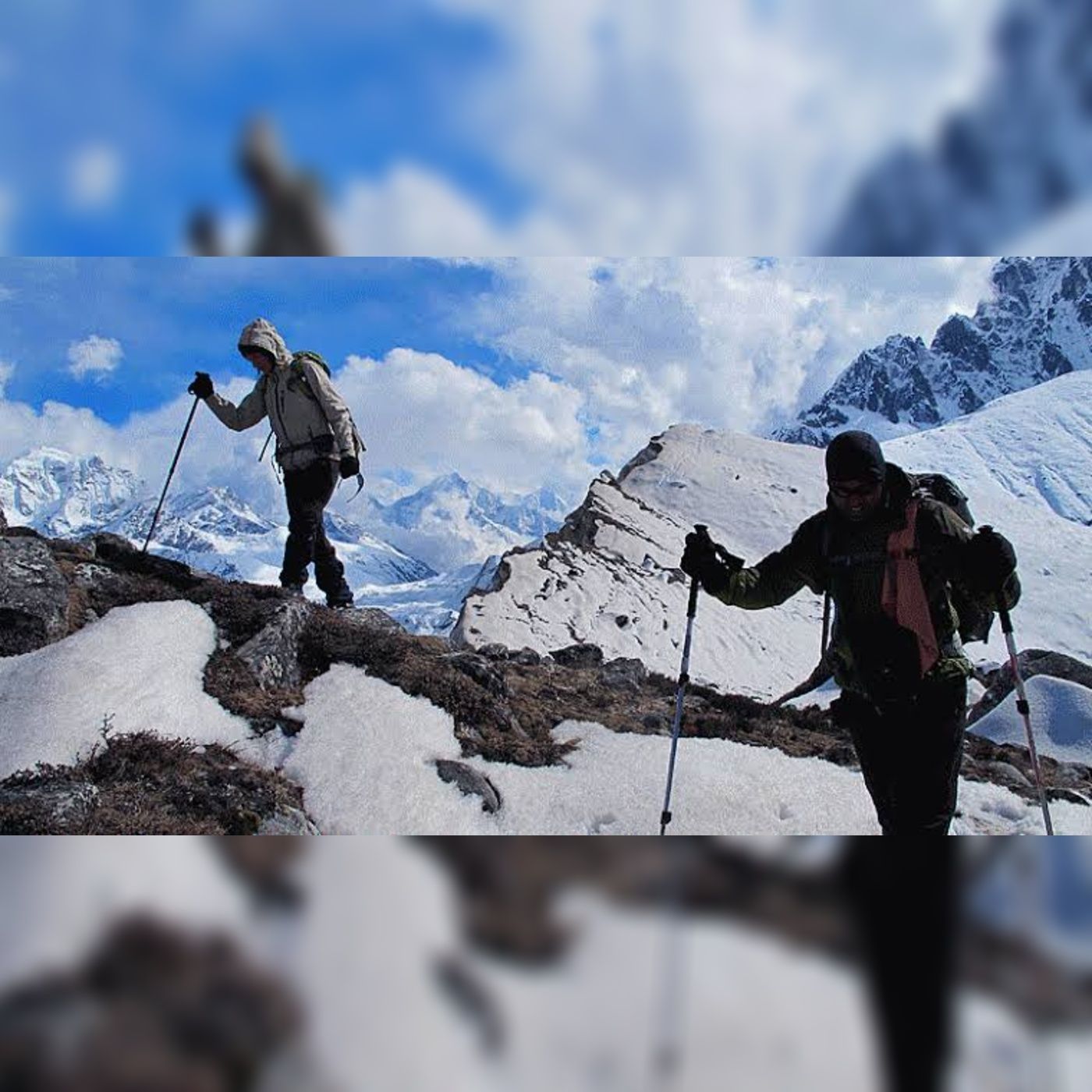
The Everest Three High Pass Trek is one of the most secluded and adventurous journeys of the Khumbu region. Unlike the classic base camp journey, it comprises remote villages, rugged paths, and major mountain passes, namely Kongma La, Cho La, and Renjo La. Its trekking trails include green hills, terraced farmlands, dense forests, traditional Sherpa villages, yak pastures, and alpine terrains. Similarly, in the higher regions, it consists of rocky slopes, glacial moraines, and mountain ridges. Along the way, trekkers can see sweeping views of several mountains, such as Everest, Lhotse, Makalu, Cho Oyu, and many more. As trekkers pass through the Sagarmatha National Park, they have the opportunity to explore rare flora and chances to spot unique wild animals. In addition to the panoramic views the trek is also culturally rewarding. The brave Sherpas are the main inhabitants of the region. Therefore, trekkers may explore their cultural practices and observe their simple lifestyle. Difficulty Level It is considered to be a challenging trek. It requires trekkers to cross three mountain passes, all of which are more than 500 meters in elevation. Similarly, the maximum altitude of the trek is 5,545 meters at Kala Patthar. Even though it reaches the same height as the classic EBC journey, it has more risks of Acute Mountain Sickness due to prolonged exposure to the high elevation. On most days, trekkers walk for 5 to 8 hours through varying terrains. Additionally, the trails include steep ascents and descents, loose scree, uneven rocky paths, and glacier sections, which add strain to knees and ankles. As this trek is not well commercialized, there are limited health infrastructures. At Namche Bazaar, there are a few clinics. They can treat altitude sickness and handle minor injuries, like sprains, cuts, and fractures. Similarly, a Himalayan Rescue Association Clinic is located at Pheriche, which specializes in medicating altitude sickness. In the higher regions, professional medical facilities are scarce. Trekkers have to rely on the local remedies at lodges or opt for rescues. Therefore, it is better to hire a guide who can provide immediate help. Get travel insurance that covers emergency helicopter evacuation and hospitalization.Given the physically challenging nature of the trek and the limited professional care, trekkers should be self-sufficient. They should carry a first-aid kit with altitude medicine, like Diamox, their prescription pills, bandages, pain relief sprays, and over-the-counter tablets that cure the common cold. What Are The Physical Fitness Requirements?Good cardiovascular health.High stamina.Excellent core strength.Good pulmonary health.Strong joints that can sustain continuous walking for long hours.Best Time For The TrekWeather conditions and visibility greatly affect safety and overall enjoyment. Keeping that in mind, spring (March to May) and autumn (September to November) are considered the best seasons for the journey.SpringIt is widely regarded as one of the best seasons for this trek. The upper elevations may still have lingering cold and icy patches, but they do not cause any major hassle. Around Namche Bazaar, rhododendron forests bloom in vibrant hues of red, pink, and white. This creates a stunning contrast against the pearly white Himalayas in the background.The weather remains stable, temperatures are pleasant, and the skies are clear. Similarly, longer daylight hours reduce the need to rush while walking. Trekkers can maintain a steady pace and enjoy the walk. This is particularly helpful when crossing demanding passes like Kongma La Pass and Cho La Pass. Furthermore, excellent visibility and unobstructed panoramic views of the mountains are ideal for photography. The only con of a spring trek is the high traffic on the trails and teahouses. This may require trekkers to book accommodation in advance, especially for better rooms and facilities.Autumn It is generally the best time for mountain treks. This is because autumn presents predictable weather, unobstructed views, and warm temperatures. The air is crisp after the monsoon rainfall stops, revealing some of the sharpest sweeping views of Mount Everest, Lhotse, and Cho Oyu. Given the minimal dark cloud formation and storms, crossing the Kongma La, Cho La, and Renjo La passes is more manageable. The forests are lush green, and the wildlife remains active, providing trekkers with a window to spot them. Similarly, this period also coincides with numerous Nepali and Khumbu’s regional festivals.Mani Rimdu falls between late October and early November and is celebrated for 19 days. It honors Guru Rinpoche (Padmasambhava), who introduced the Buddhist religion in the Himalayas. The locals and monks clean and decorate monasteries of the region and perform rituals that symbolize the victory of good over evil. Especially in the Tengboche monastery, monks perform sacred dances, wearing masks and colorful costumes, in folk songs. Moreover, the national festivals of Nepal, Dashain and Tihar, also fall in the autumn season.Tips For The Trek While walking, maintain a slow and steady pace to ensure gradual elevation gain, which helps with acclimatization. Even though a solo trek is legally possible, given the remoteness, high elevation, and vivid terrains, it is better to hire a licensed guide and a porter. Practice endurance-building exercise for at least 3 months before the actual trek. Keep a few extra days in your itinerary to accommodate potential delays due to weather and Lukla flight postponements or cancellations.On the days of pass-crossing, start early in the morning regardless of the season, as winds typically begin to develop in the afternoon.Take enough rest days before and after gaining a significant elevation to allow your body to make necessary physiological changes.Get travel insurance with a policy that handles emergency helicopter evacuation above 5,000 meters.Keep the interactions with the locals respectful.Observe the wild animals and birds from afar; do not get too close to them or try to feed them.Follow the "responsible trekking” principles and do not harm nature and cultural heritage sites. Carry a separate trash storage bag with you and carry the wrappers and other waste materials to the lower region, where you can dispose of them.
Embed this episode
What this episode covers
The Everest Three High Pass Trek is one of the most secluded and adventurous journeys of the Khumbu region. Unlike the classic base camp journey, it comprises remote villages, rugged paths, and major mountain passes, namely Kongma La, Cho La, and Renjo La. Its trekking trails include green hills, terraced farmlands, dense forests, traditional Sherpa villages, yak pastures, and alpine terrains. Similarly, in the higher regions, it consists of rocky slopes, glacial moraines, and mountain ridges. Along the way, trekkers can see sweeping views of several mountains, such as Everest, Lhotse, Makalu, Cho Oyu, and many more. As trekkers pass through the Sagarmatha National Park, they have the opportunity to explore rare flora and chances to spot unique wild animals. In addition to the panoramic views the trek is also culturally rewarding. The brave Sherpas are the main inhabitants of the region. Therefore, trekkers may explore their cultural practices and observe their simple lifestyle. Difficulty Level It is considered to be a challenging trek. It requires trekkers to cross three mountain passes, all of which are more than 500 meters in elevation. Similarly, the maximum altitude of the trek is 5,545 meters at Kala Patthar. Even though it reaches the same height as the classic EBC journey, it has more risks of Acute Mountain Sickness due to prolonged exposure to the high elevation. On most days, trekkers walk for 5 to 8 hours through varying terrains. Additionally, the trails include steep ascents and descents, loose scree, uneven rocky paths, and glacier sections, which add strain to knees and ankles. As this trek is not well commercialized, there are limited health infrastructures. At Namche Bazaar, there are a few clinics. They can treat altitude sickness and handle minor injuries, like sprains, cuts, and fractures. Similarly, a Himalayan Rescue Association Clinic is located at Pheriche, which specializes in medicating altitude sickness. In the higher regions, professional medical facilities are scarce. Trekkers have to rely on the local remedies at lodges or opt for rescues. Therefore, it is better to hire a guide who can provide immediate help. Get travel insurance that covers emergency helicopter evacuation and hospitalization. Given the physically challenging nature of the trek and the limited professional care, trekkers should be self-sufficient. They should carry a first-aid kit with altitude medicine, like Diamox, their prescription pills, bandages, pain relief sprays, and over-the-counter tablets that cure the common cold. What Are The Physical Fitness Requirements? Good cardiovascular health. High stamina. Excellent core strength. Good pulmonary health. Strong joints that can sustain continuous walking for long hours. Best Time For The Trek Weather conditions and visibility greatly affect safety and overall enjoyment. Keeping that in mind, spring (March to May) and autumn (September to November) are considered the best seasons for the journey. Spring It is widely regarded as one of the best seasons for this trek. The upper elevations may still have lingering cold and icy patches, but they do not cause any major hassle. Around Namche Bazaar, rhododendron forests bloom in vibrant hues of red, pink, and white. This creates a stunning contrast against the pearly white Himalayas in the background. The weather remains stable, temperatures are pleasant, and the skies are clear. Similarly, longer daylight hours reduce the need to rush while walking. Trekkers can maintain a steady pace and enjoy the walk. This is particularly helpful when crossing demanding passes like Kongma La Pass and Cho La Pass. Furthermore, excellent visibility and unobstructed panoramic views...
Ready to play
Everything You Need to Know Before Trekking the Everest Three High Passes
No transcript for this episode yet
Similar Episodes
No similar episodes found.