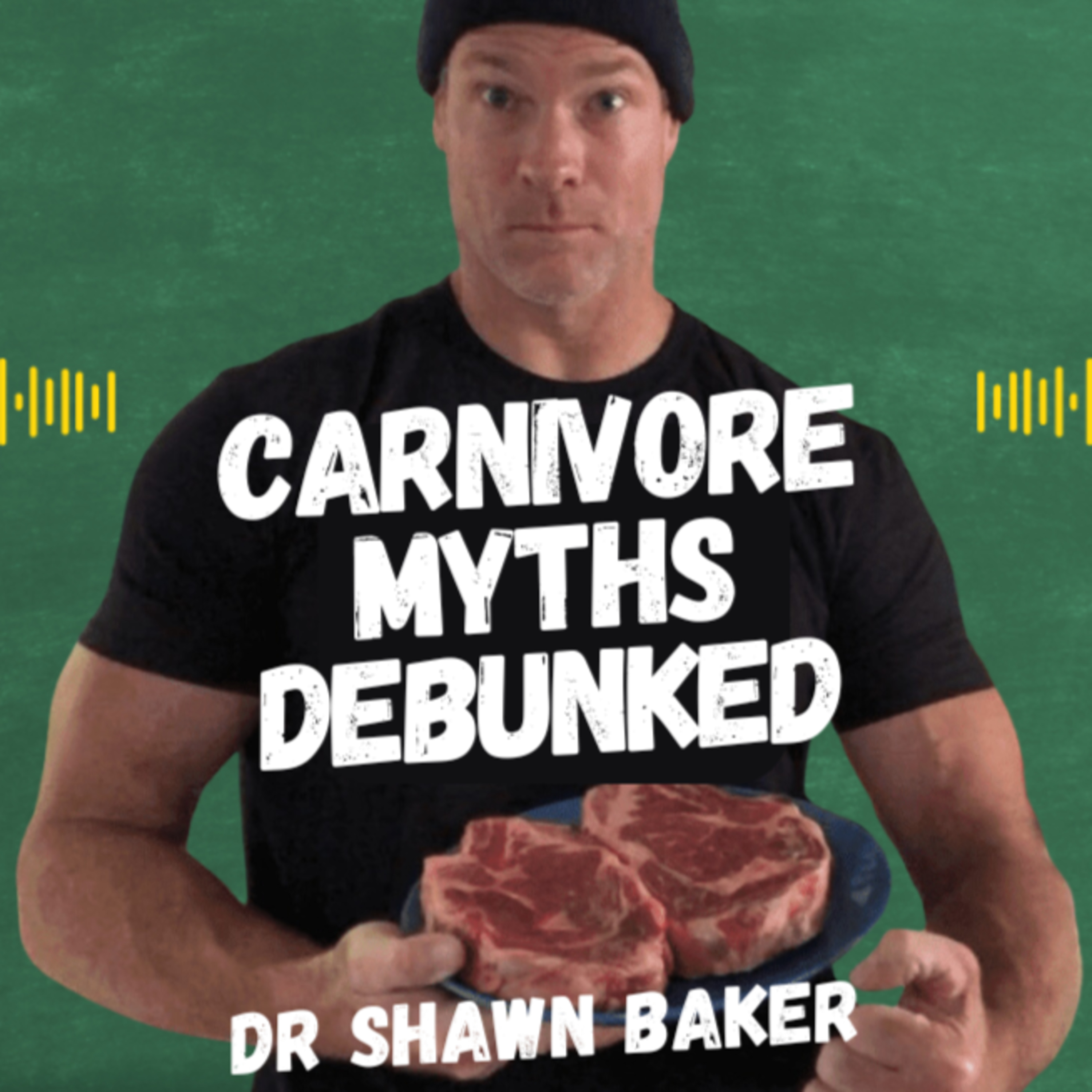
Exploding Myths: Dr. Shawn Baker on LDL, Kidney Health, Thyroid, Fibre, Vitamin C & Big Pharma episode artwork

EPISODE · Sep 5, 2024 · 1H 7M

Exploding Myths: Dr. Shawn Baker on LDL, Kidney Health, Thyroid, Fibre, Vitamin C & Big Pharma

from Common Sense Health · host Coach Stephen BSc Hons

Doctor Shawn Baker Key points for quick navigation: 00:01 Dr. Shawn Baker began his carnivore diet journey in late 2016 out of curiosity and health concerns, starting with a single meal and gradually transitioning. 04:23 Vitamin C deficiency (scurvy) is not observed in carnivore diets due to efficient utilization and presence in meat, contrary to common misconceptions. 07:39 Fiber is non-essential and its health benefits are likely associated with dietary quality rather than fiber itself, often improving on carnivore diets. 13:23 Meat contains a wide array of phytonutrients, challenging the notion that only fruits and vegetables provide essential nutrients. 16:11 Normative ranges for thyroid function tests (like TSH) may not reflect individual health outcomes effectively, emphasizing clinical function over lab numbers. 19:26 Dr. Shawn Baker emphasizes that he focuses on how he feels rather than just lab numbers, highlighting individual health over standardized ranges. 19:53 ️‍️ Despite having low normal testosterone levels, Shawn Baker attributes his strength and health to lifestyle factors like exercise and diet, suggesting sensitivity to androgen receptors. 20:37 Shawn Baker discusses the limitations of standard reference ranges in health metrics, advocating for more personalized approaches especially in populations like carnivores. 27:30 ️ Dr. Baker critiques the conventional focus on LDL cholesterol levels, pointing out historical biases and financial interests in promoting certain health narratives. 29:06 Discussing medication, Dr. Shawn Baker predicts potential class action lawsuits against drugs like PCSK9 inhibitors due to adverse effects like muscle loss, highlighting ethical concerns in pharmaceutical practices. 38:12 Using GLP-1 receptor agonists like semaglutide (OIC) can lead to GI side effects and potential long-term digestive issues. 39:23 Beef isolate effectively stimulates GLP-1, slowing down digestion in a natural way, contrasting with drugs like semaglutide. 41:02 GLP-1 receptor agonists may lead to fat cell hyperplasia, increasing the number of small fat cells, potentially causing weight regain after treatment cessation. 47:30 High-protein diets, contrary to common belief, do not adversely affect kidney health and may even improve kidney function in certain cases. 54:10 Eating plant-based is not necessarily environmentally superior to consuming animal products; the sustainability of agricultural practices matters more than the type of diet. 56:39 Dr. Baker emphasizes the importance of measuring nutrition and human thriving rather than just calories or environmental impact when evaluating food choices. 57:46 ️‍️ He advocates for a healthier population, criticizing societal health disparities despite abundant resources, urging for national campaigns promoting nutrition and fitness. 58:56 ️ Dr. Baker discusses how consumer choices impact public health and healthcare systems, encouraging mindful purchasing to support healthier lifestyles. 01:00:35 He reflects on the values and lifestyles of societal leaders, contrasting personal health standards with those of the general population. 01:03:34 Dr. Baker underscores the need for healthcare paradigm shifts driven by grassroots movements, highlighting the importance of patient support in effecting systemic change. https://www.revero.com/ 🛜 Join our excellent Skool Group. Full of interaction, learn about carnivore, low-carb and keto. https://www.skool.com/low-carb/about THE UK's FIRST CARNIVORE CONFERENCE https://carnivoreconference.co.uk/

Doctor Shawn Baker Key points for quick navigation: 00:01 Dr. Shawn Baker began his carnivore diet journey in late 2016 out of curiosity and health concerns, starting with a single meal and gradually transitioning. 04:23 Vitamin C deficiency (scurvy) is not observed in carnivore diets due to efficient utilization and presence in meat, contrary to common misconceptions. 07:39 Fiber is non-essential and its health benefits are likely associated with dietary quality rather than fiber itself, often improving on carnivore diets. 13:23 Meat contains a wide array of phytonutrients, challenging the notion that only fruits and vegetables provide essential nutrients. 16:11 Normative ranges for thyroid function tests (like TSH) may not reflect individual health outcomes effectively, emphasizing clinical function over lab numbers. 19:26 Dr. Shawn Baker emphasizes that he focuses on how he feels rather than just lab numbers, highlighting individual health over standardized ranges. 19:53 ️‍️ Despite having low normal testosterone levels, Shawn Baker attributes his strength and health to lifestyle factors like exercise and diet, suggesting sensitivity to androgen receptors. 20:37 Shawn Baker discusses the limitations of standard reference ranges in health metrics, advocating for more personalized approaches especially in populations like carnivores. 27:30 ️ Dr. Baker critiques the conventional focus on LDL cholesterol levels, pointing out historical biases and financial interests in promoting certain health narratives. 29:06 Discussing medication, Dr. Shawn Baker predicts potential class action lawsuits against drugs like PCSK9 inhibitors due to adverse effects like muscle loss, highlighting ethical concerns in pharmaceutical practices. 38:12 Using GLP-1 receptor agonists like semaglutide (OIC) can lead to GI side effects and potential long-term digestive issues. 39:23 Beef isolate effectively stimulates GLP-1, slowing down digestion in a natural way, contrasting with drugs like semaglutide. 41:02 GLP-1 receptor agonists may lead to fat cell hyperplasia, increasing the number of small fat cells, potentially causing weight regain after treatment cessation. 47:30 High-protein diets, contrary to common belief, do not adversely affect kidney health and may even improve kidney function in certain cases. 54:10 Eating plant-based is not necessarily environmentally superior to consuming animal products; the sustainability of agricultural practices matters more than the type of diet. 56:39 Dr. Baker emphasizes the importance of measuring nutrition and human thriving rather than just calories or environmental impact when evaluating food choices. 57:46 ️‍️ He advocates for a healthier population, criticizing societal health disparities despite abundant resources, urging for national campaigns promoting nutrition and fitness. 58:56 ️ Dr. Baker discusses how consumer choices impact public health and healthcare systems, encouraging mindful purchasing to support healthier lifestyles. 01:00:35 He reflects on the values and lifestyles of societal leaders, contrasting personal health standards with those of the general population. 01:03:34 Dr. Baker underscores the need for healthcare paradigm shifts driven by grassroots movements, highlighting the importance of patient support in effecting systemic change. https://www.revero.com/ 🛜 Join our excellent Skool Group. Full of interaction, learn about carnivore, low-carb and keto. https://www.skool.com/low-carb/about THE UK's FIRST CARNIVORE CONFERENCE https://carnivoreconference.co.uk/

NOW PLAYING

Exploding Myths: Dr. Shawn Baker on LDL, Kidney Health, Thyroid, Fibre, Vitamin C & Big Pharma

0:00 1:07:55

No transcript for this episode yet

We transcribe on demand. Request one and we'll notify you when it's ready — usually under 10 minutes.

Frequently Asked Questions

How long is this episode of Common Sense Health?

This episode is 1 hour and 7 minutes long.

When was this Common Sense Health episode published?

This episode was published on September 5, 2024.

What is this episode about?

Doctor Shawn Baker Key points for quick navigation: 00:01 Dr. Shawn Baker began his carnivore diet journey in late 2016 out of curiosity and health concerns, starting with a single meal and gradually transitioning. 04:23 Vitamin C deficiency...

Can I download this Common Sense Health episode?

Yes, you can download this episode by clicking the download button on the episode player, or subscribe to the podcast in your preferred podcast app for automatic downloads.
URL copied to clipboard!