
EPISODE · Dec 11, 2023 · 34 MIN
Exploring the Deep Emotional Connection to Food
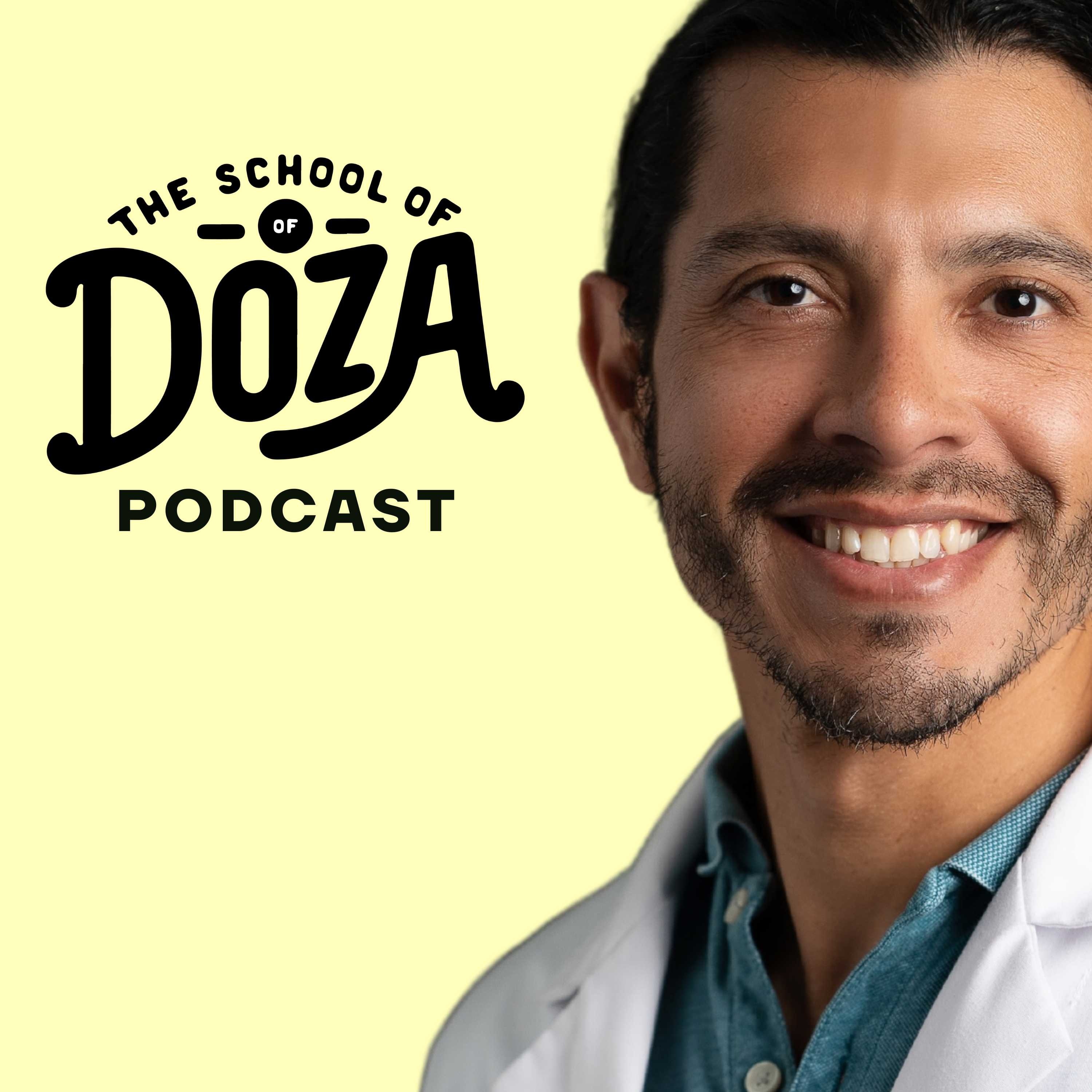
from The School of Doza Podcast · host NURSE DOZA
The podcast delves into the science behind emotional eating, emphasizing the deep emotional connection we have with food. Nurse Doza explains how stress plays a role in emotional eating and highlights the tendency to eat unhealthy comfort foods when stressed. He also discusses the lack of recognition of stress in both men and women and how it can lead to skipped meals or a loss of appetite. TIMESTAMPS 00:00 START 04:48 Emotional eating is linked to stress. 09:47 Emotional eating increases blood sugar. 14:49 Manage emotional eating through awareness. 15:43 Control your dopamine for healthy eating. 22:28 Hormones affect emotional eating. 25:28. Food is not love 31:33 Fasting changes your relationship with food. Before we dive into the intriguing aspects of why we eat when stressed and the neuroscience of our cravings, let's shed light on a key component of overall well-being – mitochondrial health. Mitochondriac, MSW's revolutionary mitochondrial rejuvenation supplement, plays a vital role in supporting your body's cellular powerhouses. Perfect for those seeking to enhance their energy levels and overall health. Stay tuned till the end for an exclusive offer on Mitochondriac, your partner in achieving optimal well-being. SHOW NOTES: Understanding Emotional Eating: Stress-Induced Eating Habits The role of chronic stress in influencing food intake and weight is linked to the hypothalamic-pituitary-adrenal (HPA) axis's activation, leading to cortisol secretion and increased appetite for palatable foods.^1 The Paradox of Stress and Appetite During acute stress, appetite suppression is common. However, in individuals who are overweight or obese, resistance to insulin and possibly leptin may contribute to disrupted hunger/satiety signaling.^1 Dopamine, Not Sugar: The Real Addiction Major Depressive Disorder (MDD) is often associated with alterations in the neurotransmitter system, including dopamine (DA), which plays a significant role in food intake regulation.^1 Leptin receptor expression in areas controlling mood and emotion, such as the hippocampus, cortex, and amygdala, is significant. Stress increases cortisol, which in turn affects leptin levels.^2 High leptin levels linked with obesity are thought to be caused by leptin resistance. In contrast, dopamine levels are inversely related to blood glucose levels.^4 Concluding Promotional Copy: As we conclude today's insightful exploration into emotional eating, it's clear that understanding our body's reactions to stress and the neuroscience behind our cravings is crucial. Just as important is nurturing our body at the cellular level. Mitochondriac, MSW's premier mitochondrial rejuvenation supplement, is designed to support your body’s energy production and overall health, making it an essential addition to your wellness routine. Click the link to discover how Mitochondriac can empower your journey to better health and emotional well-being. Supplement Mention: Mitochondriac: A Mitochondrial Rejuvenation Supplement URL: https://www.mswnutrition.com/products/mitochondriac/?ref=nursedoza
Embed this episode
NOW PLAYING
Exploring the Deep Emotional Connection to Food
No transcript for this episode yet
Similar Episodes
No similar episodes found.
Similar Podcasts
No similar podcasts found.