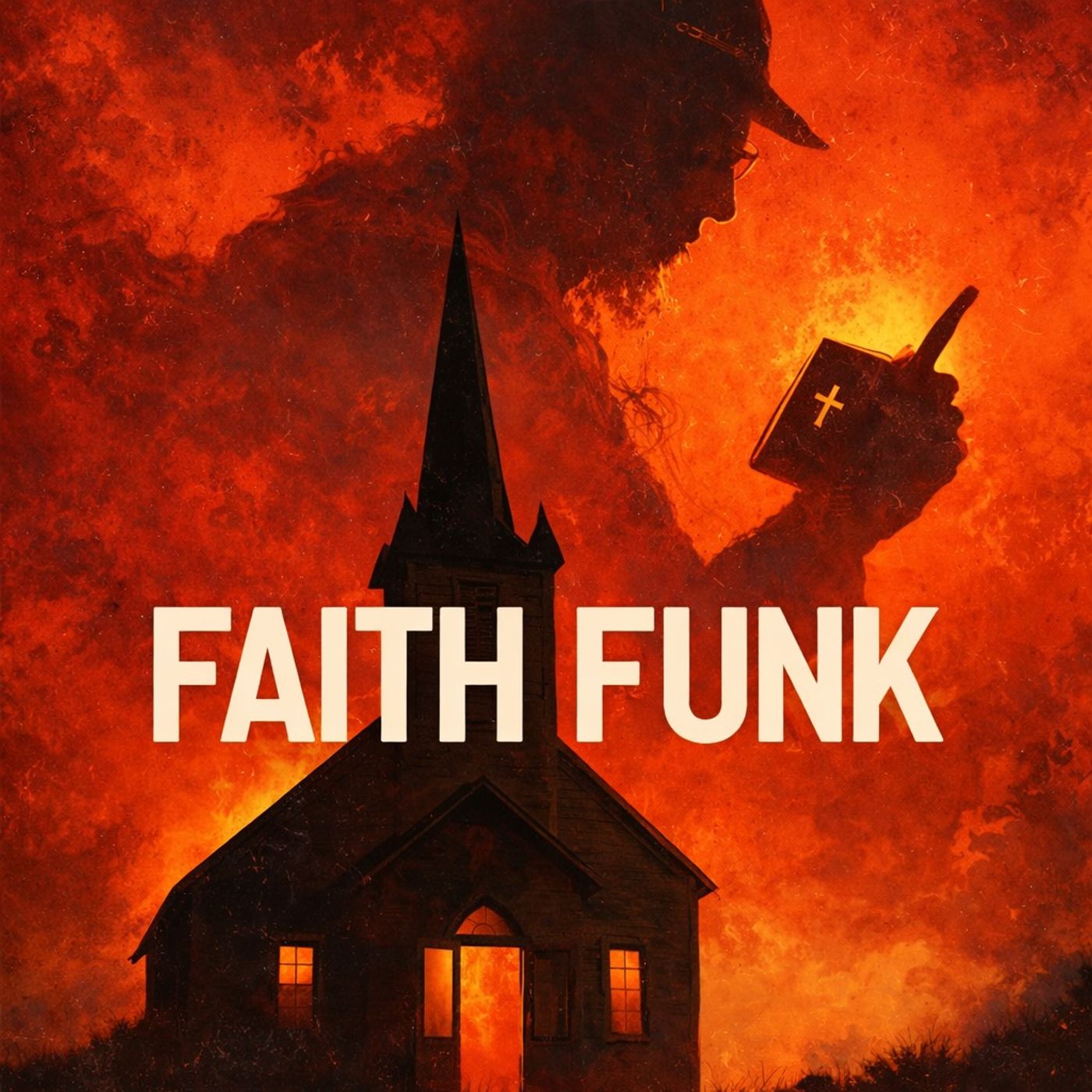
Faith Funk
from Snarky Faith Hosted by Stuart Delony
EPISODE NOTES In this conversation, we explore: What Michael wishes someone had said to him at the start of his own unraveling The hardest truth most people discover during deconstruction Why religious trauma is embodied, not just intellectual The difference between losing faith and losing safety Why anxiety, panic, and depression are often nervous system responses—not faith failures The gap Faith Funk aims to fill in the deconstruction landscape What “solid ground” looks like for people afraid to let go How Michael thinks about reconstruction, spirituality, and daily life now Why finishing deconstruction without certainty can still be a win About the book: Faith Funk is a trauma-aware, practical guide for people navigating faith collapse, religious harm, and reconstruction—without spiritual bypassing or pressure to land somewhere new. Get it here: https://amzn.to/49F7vVN Find Michael here: https://www.faithtransitions.com/ Big thanks to these outlets that make the Christian Crazy possible: Right Wing Watch Christian Nightmares Friendly Atheist Come along for the ride as we skewer through life, culture, and spirituality in the face of a changing world. www.SnarkyFaith.com Check out the other fantastic Quoircast partners: The Heretic Happy Hour Podcast, Apostates Anonymous, The Messy Spirituality Podcast, Ideas Digest, The New Evangelicals, This is Not Church, and Wild Olive.
Embed this episode
What this episode covers
In this episode, I’m joined by Michael Camp—former pastor, missionary, and author of Faith Funk—for a grounded conversation about deconstruction, religious trauma, and what healing actually looks like after evangelical certainty collapses. We talk about why religious harm shows up in the body, not just belief systems; how anxiety, panic, and depression are often misdiagnosed as spiritual failure; and why deconstruction is better understood as recovery work, not rebellion. Michael shares what led him to write Faith Funk, the gaps he saw in deconstruction conversations, and what a sustainable, healthy spirituality looks like on the other side—without rushing people into new answers or belief systems.
No transcript yet.