Fantastic Plastic episode artwork

EPISODE · Apr 7, 2020 · 27 MIN

Fantastic Plastic

from Costing the Earth · host BBC Radio 4

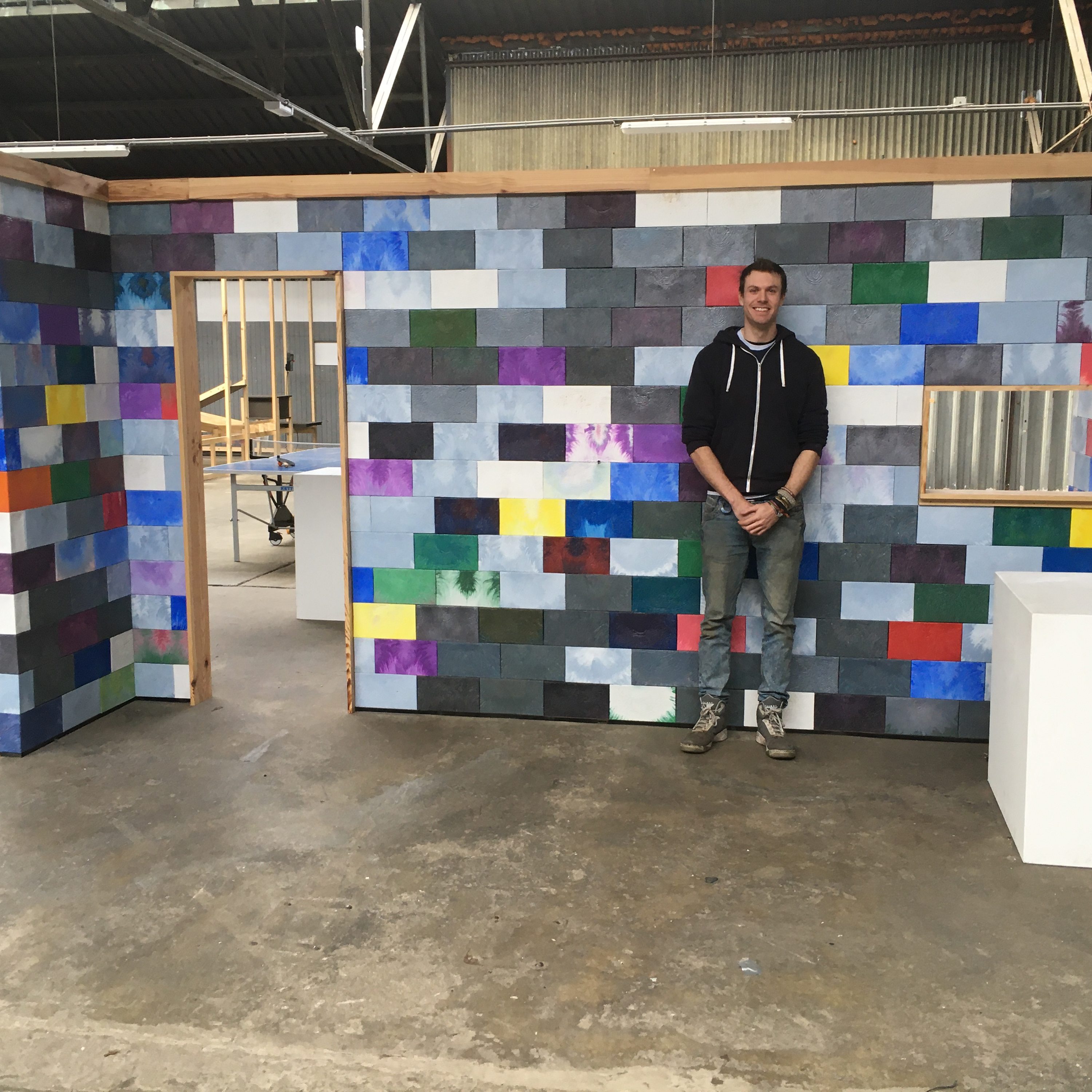
Plastic waste is the scourge of developing countries. Many have poor waste collection and virtually no recycling. But there may be ways in which local people can put the waste to good useIn Cameroon a child called Pierre Kamsouloum wanted to play football, but had no ball. He got the idea of melting soft plastic, the kind that food is wrapped in, and moulding it into a crude football. A few years later, without a job and looking for a way to make money, he came back to the idea, and realised that if you mixed the molten plastic with sand, you could turn it into tough paving slabs, competitively priced. Now, with the help of NGOs, thousands of people across Cameroon and Gambia have been trained in the technique.In the Netherlands, design student Dave Hakkens had the idea of creating machines that people could use to recycle their plastic locally. Using quite basic technology, these machines shred, melt and then extrude plastic into moulds to make flat sheets, bowls, and even giant Lego-style house building bricks. The designs are all open-source and online, and a movement of thousands of people has grown up, building, improving and using Dave’s machines. In Guatemala, German environmentalist Susanne Heisse was depressed by the plastic pollution collecting at the side of Lake Atilan. Inspired by the actions of a neighbour, she started stuffing the waste into plastic drinking bottles, and so the idea of the eco-brick was born – a building block that can be strong and durable and at the same time sequesters the plastic and stops it breaking down into dangerous plastics.None of these ideas is without its difficulties and each has its critics. But until we find ways to live without plastic, could they be part of the solution?Presenter/Producer: Jolyon Jenkins

Episode metadata supplied by the publisher feed · Published Apr 7, 2020

Plastic waste is the scourge of developing countries. Many have poor waste collection and virtually no recycling. But there may be ways in which local people can put the waste to good useIn Cameroon a child called Pierre Kamsouloum wanted to play football, but had no ball. He got the idea of melting soft plastic, the kind that food is wrapped in, and moulding it into a crude football. A few years later, without a job and looking for a way to make money, he came back to the idea, and realised that if you mixed the molten plastic with sand, you could turn it into tough paving slabs, competitively priced. Now, with the help of NGOs, thousands of people across Cameroon and Gambia have been trained in the technique.In the Netherlands, design student Dave Hakkens had the idea of creating machines that people could use to recycle their plastic locally. Using quite basic technology, these machines shred, melt and then extrude plastic into moulds to make flat sheets, bowls, and even giant Lego-style house building bricks. The designs are all open-source and online, and a movement of thousands of people has grown up, building, improving and using Dave’s machines. In Guatemala, German environmentalist Susanne Heisse was depressed by the plastic pollution collecting at the side of Lake Atilan. Inspired by the actions of a neighbour, she started stuffing the waste into plastic drinking bottles, and so the idea of the eco-brick was born – a building block that can be strong and durable and at the same time sequesters the plastic and stops it breaking down into dangerous plastics.None of these ideas is without its difficulties and each has its critics. But until we find ways to live without plastic, could they be part of the solution?Presenter/Producer: Jolyon Jenkins

PodParley-generated summary based on available episode metadata and transcript content.

NOW PLAYING

Fantastic Plastic

0:00 27:50

No transcript for this episode yet

We transcribe on demand. Request one and we'll notify you when it's ready — usually under 10 minutes.

Frequently Asked Questions

How long is this episode of Costing the Earth?

This episode is 27 minutes long.

When was this Costing the Earth episode published?

This episode was published on April 7, 2020.

What is this episode about?

Plastic waste is the scourge of developing countries. Many have poor waste collection and virtually no recycling. But there may be ways in which local people can put the waste to good useIn Cameroon a child called Pierre Kamsouloum wanted to play...

Can I download this Costing the Earth episode?

Yes, you can download this episode by clicking the download button on the episode player, or subscribe to the podcast in your preferred podcast app for automatic downloads.
URL copied to clipboard!