
EPISODE · Jun 30, 2025 · 1H 16M
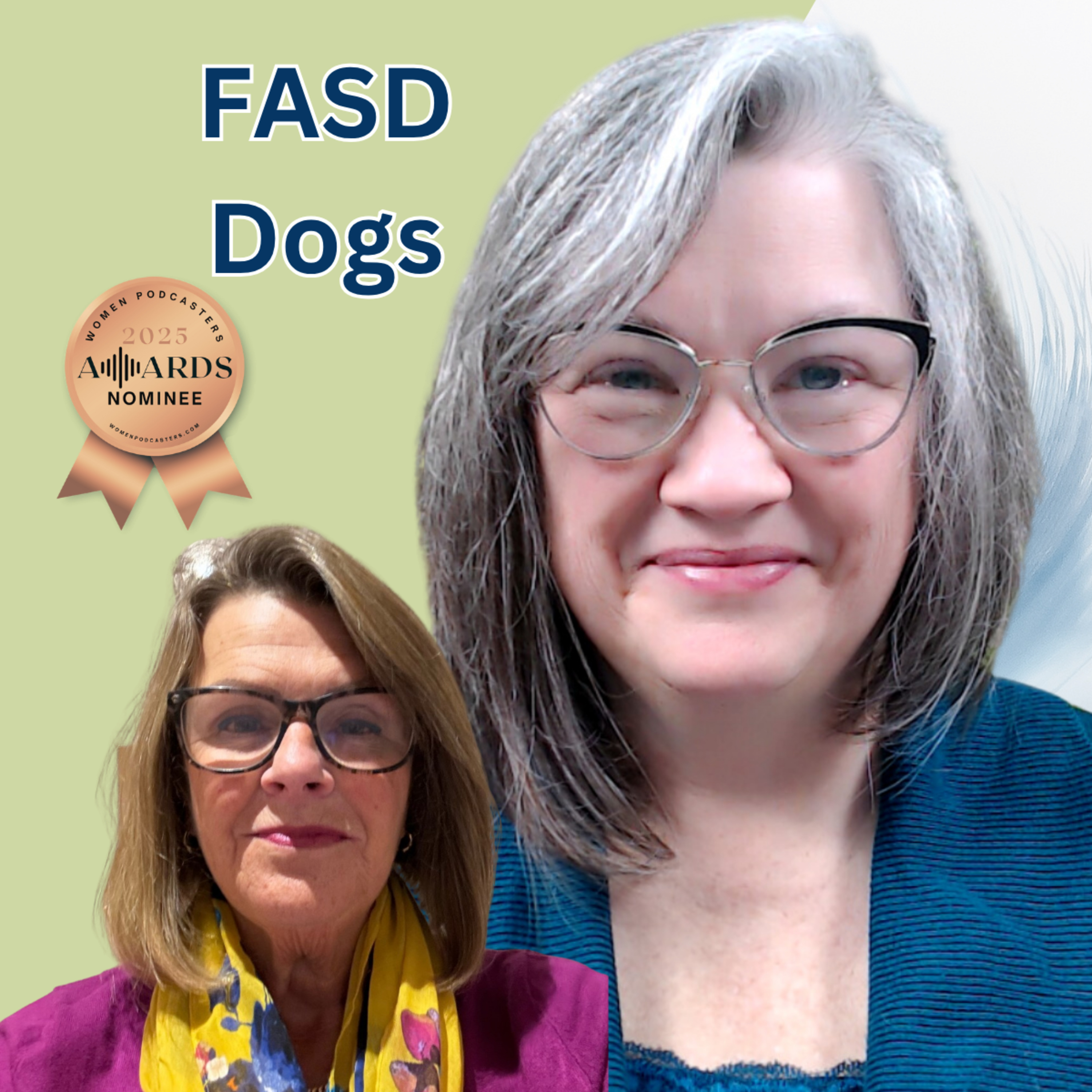
FASD & Trauma: How Social Services Fail & Dogs Help, with Alison McCormick
from Living with FASD · host Patricia Kasper
In this heartfelt episode of Living with FASD, host PattiKasper engages in a candid conversation with Alison McCormick, a dedicated social worker turned assistance dog trainer. Together, they explore the profound impact of Fetal Alcohol Spectrum Disorder (FASD) on families and theinnovative ways assistance dogs can provide support and companionship.Alison shares her personal journey, detailing her transitionfrom traditional social work to the world of canine assistance. After adoptingthree children with FASD, she discovered the unique bond between her daughterand their family dog, which inspired her to train assistance dogs specificallyfor families dealing with FASD. Listeners will be captivated by her stories of resilience, the challenges of navigating the social care system, and the incredible benefits these dogs bring to both children and parents.This episode emphasizes the importance of advocacy,understanding, and community support for families affected by FASD. Patti and Alison discuss the need for systemic change in how social services approach families and the vital role that compassion plays in fostering understandingand acceptance.Join Patti and Alison as they share insights, laughter, andthe undeniable bond between humans and their canine companions. This episode is a must-listen for anyone looking for hope and inspiration in their journey with FASD.To order the book Alison recommended by Andrew James, go to: https://a.co/d/696HPCcAs always, please remember to like, share, and follow theLiving with FASD podcast to help spread awareness and understanding.If you would like to reach Patti, you can email her [email protected]. Visit her website at www.patriciakasper.com to learn more about her coaching and professional development training services.#FASD #AssistanceDogs #LivingWithFASD #Advocacy#CommunitySupport #Hope
Embed this episode
NOW PLAYING
FASD & Trauma: How Social Services Fail & Dogs Help, with Alison McCormick
No transcript for this episode yet
Similar Episodes
No similar episodes found.
Similar Podcasts
No similar podcasts found.