
EPISODE · May 6, 2026 · 6 MIN
Figures
from Cities and Memory - remixing the world · host Cities and Memory
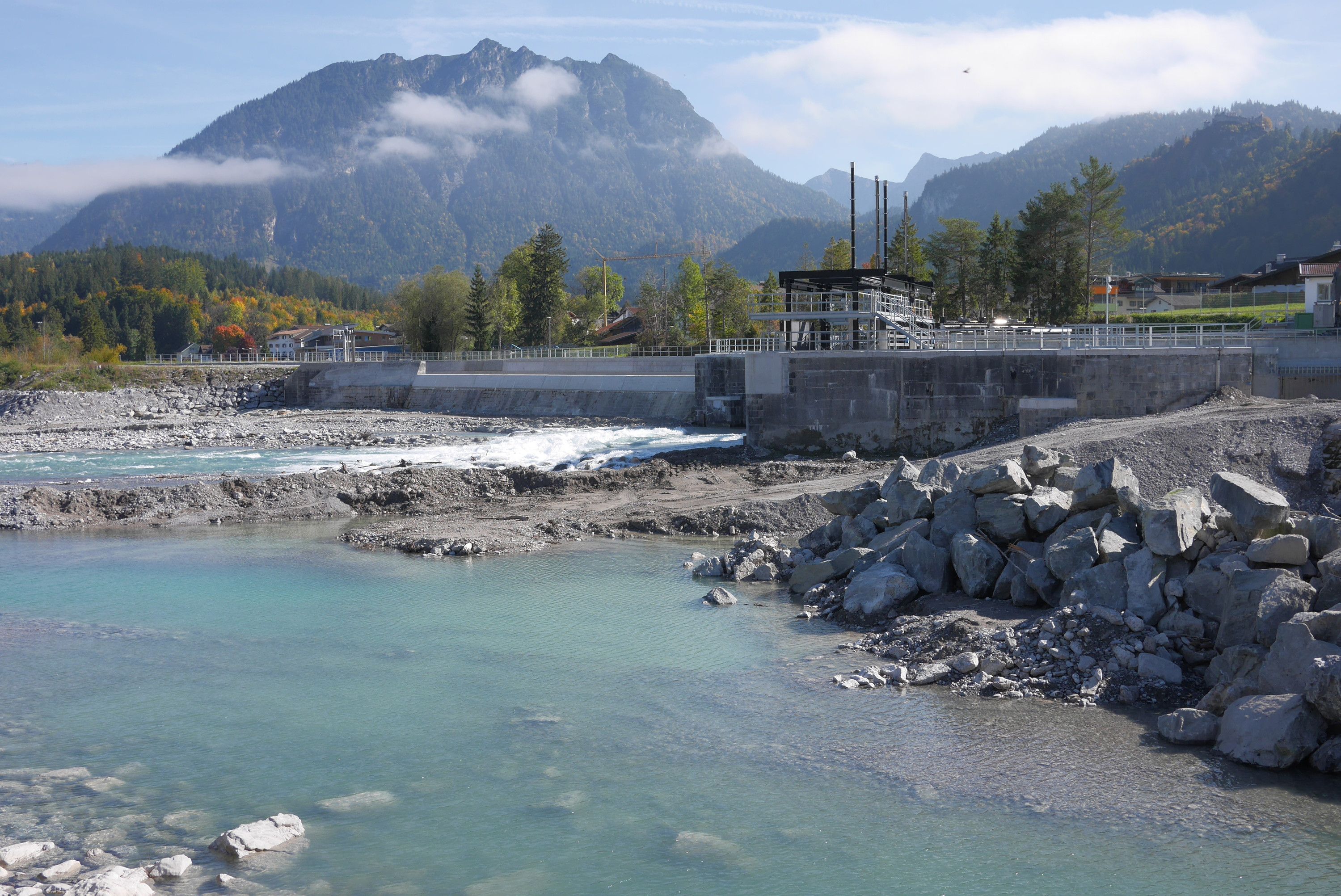
"A crowded procession of singular figures, images and imaginaries, possible futures "“Figures” is built upon a field recording of a threshold zone where the mountains begin to yield to the plains, and where the river itself is divided since a part of its water is withdrawn into a side channel for hydropower production.The underlying approach draws on Steven Feld's proposition that attentive listening is itself a rigorous form of research. Given time and attention, sound ceases to be the object of study and becomes its instrument, a means by which human, natural, hybrid, and alien figures can be identified within the landscape, and within the constant flow of water. "Isn’t culture a constant flux? "Isn’t transmission/tradition a constant flow?"The matter is: inquiry of this kind is subjective. Its situatedness is not incidental to Figures: it is its method. My personal geography is deeply intertwined with the river systems of Veneto: I was born on the river Brenta in Bassano del Grappa, I live in Rovigo between the Po and the Adige. In my life a flowing river has always meant home. In youth it was the mountains’ presence, and its trails, that shaped me; now it is the plain. But the river is a constant. By the way, what I brought to the field recording of Section 8 is not only a way of listening. I have used a set of different instruments I conceived to make that listening recognizable. "DzigaLoop, a digital tape looper I built on a Bela board and programmed in Pure Data, creates recursive temporal relationships between sonic materials, revealing the silences between gestures and embodying a conception of time as growing and living memory rather than a linear progression. And through DzigaLoop some sounds I have been carrying for a long time appear: the tinkling of small bells, flies, birds, the babble of distant voices, field recordings made at home, 16 years ago. Old personal memories that resurface here in the water."Loscillator, a synthesizer built for the MozziByte platform, contributes sustained oscillating layers that function as an harmonic ground. It is basically something between a multiple drone and a choral slow breath. "Aquadrone, a mobile app I developed in FaustDSP, adds a dimension of submerged, immersive resonance. It is active and somehow disturbing, suddendly disrupting."Within the piece, two further figures surface. A fragment from Bill McKenna's sonorization of Section 1 appears, like a homeless sonic memory traveling downstream with the water, arriving here as something half-familiar and half-strange. "A female voice processed through DzigaLoop, originally taken from Sergio Marchesini's composition for this same Segment 8, in my imagination is an anguana, the water spirit of Alpine and Venetian tradition, neither fully human nor fully other. Me and Sergio, old friends, in this case are two researchers listening to the same stretch of river independently, each on one bank, catching glimpses of each other across the water, listening to singular figures, images and imaginaries, possible futures."Deeply processed underwater piano and celesta sounds complete the procession, dissolving the boundary between acoustic instrument and environmental presence. They are more than a sound. They stand for an attitude, maybe for what Hildegard Westerkamp, in her keynote address to the ISEA 2015 in Vancouver, defined as the “preparedness to meet the unpredictable and unplanned, to welcome the unwelcome”."Section of the river Lech reimagined by Francesco Ganassin. -------Flow is a creative exploration telling the story of a river through the power of sound. The project is a collaboration between the University of Padova and the University of Würzburg, with support from Cities and Memory. Explore the full project at https://citiesandmemory.com/flow.
NOW PLAYING
Figures
No transcript for this episode yet
Similar Episodes
Mar 26, 2026 ·1m
Mar 19, 2026 ·34m
Feb 18, 2026 ·11m
Feb 11, 2026 ·45m