
EPISODE · Nov 27, 2024 · 7 MIN
Fine Art as the Sensuous Manifestation of the Absolute - #557 Encyclopedia
from The Philosophy Channel · host Robbert Veen
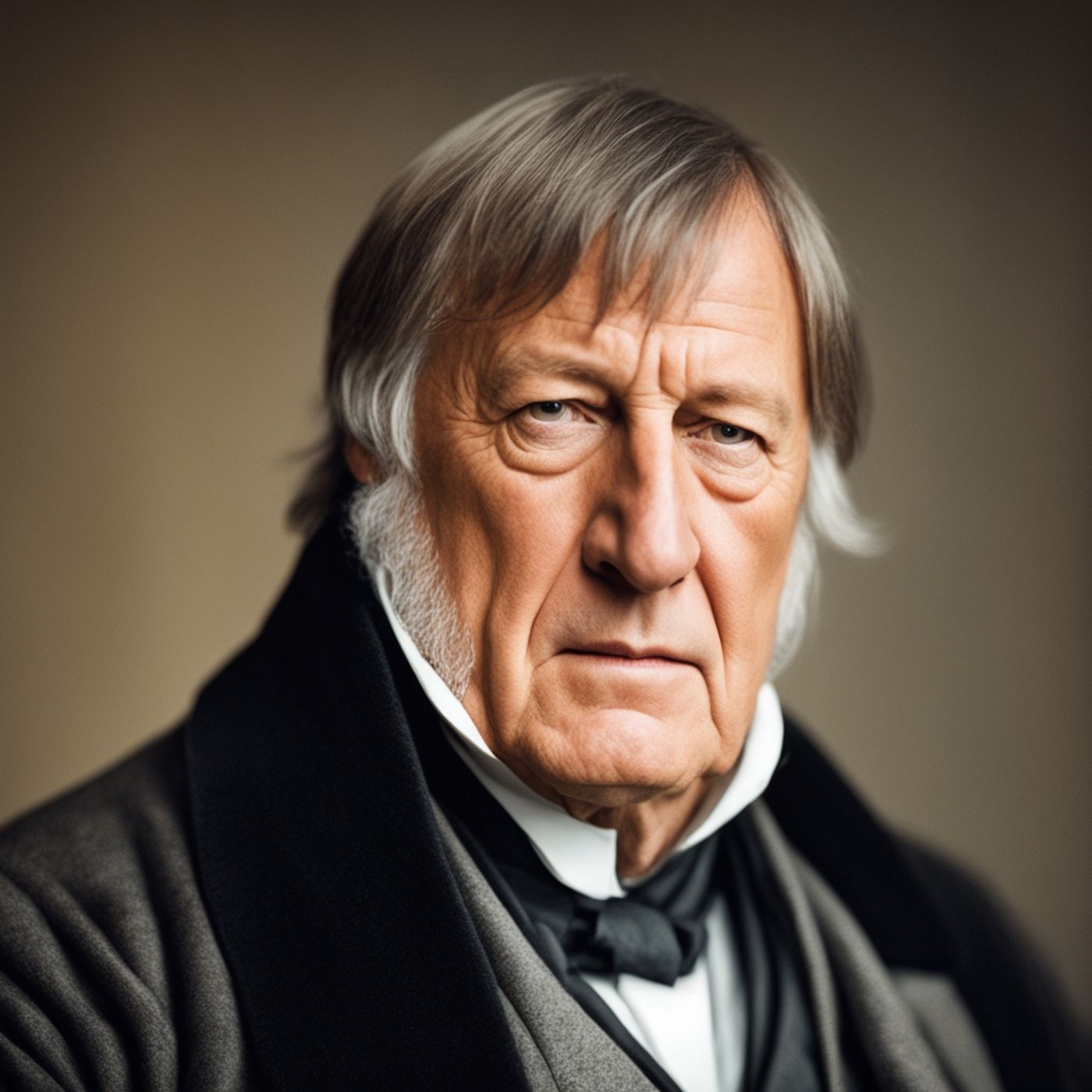
Hegel explores the idea of "sensuous externality" in relation to beauty, which refers to the tangible and perceptible aspects of beauty that we experience through our senses. This direct experience shapes our understanding of beauty, meaning that how beauty presents itself physically influences our perception of it.He introduces the concept of the "God of art," who embodies spirituality while also existing in a natural, physical form. In the realm of art, the divine or spiritual is expressed through natural mediums, creating a unity of nature (the physical) and spirit (the spiritual) that we experience immediately and sensuously. This unity is not an abstract idea; rather, it is something we can perceive directly through our senses. Hegel distinguishes this unity from the notion of "absolute spirit," which represents a purely spiritual unity where the natural is merely an ideal or concept.In the case of absolute spirit, the natural is overshadowed by the spiritual, and the spiritual content exists only in relation to itself. In contrast, in art, the unity of nature and spirit is a direct, sensory experience where the two are intertwined.In sum, Hegel argues that in art, the divine or spiritual is expressed through physical forms, creating an immediate unity of nature and spirit that we can directly experience. This unity is different from a purely spiritual unity, where the natural is only an abstract concept. On the subjective side, Hegel discusses the community's ethical life, which is characterized by an awareness of its spiritual essence. This awareness leads to a form of self-consciousness and a significant level of freedom, which he describes as "substantial liberty." However, this freedom is limited by the "stigma of immediacy," meaning it lacks deeper reflection and introspection. As a result, the individual's sense of freedom is superficial and does not involve profound self-reflection or moral awareness. Hegel suggests that these limitations affect how individuals express their devotion and worship in the context of fine art. The immediate and somewhat superficial nature of their freedom influences their religious practices and artistic expressions, which are integral to their cultural and spiritual life. In conclusion, while the community possesses an ethical and spiritual awareness that enhances its sense of freedom, this freedom is constrained by a lack of deep self-reflection and moral consciousness. These constraints, in turn, shape how the community engages in religious and artistic practices.Become a supporter of this podcast: https://www.spreaker.com/podcast/the-philosophy-channel--4573240/support."Dare to use your own reason" - Immanuel Kant
Embed this episode
Ready to play
Fine Art as the Sensuous Manifestation of the Absolute - #557 Encyclopedia
No transcript for this episode yet
Similar Episodes
Jan 27, 2026 ·39m
Similar Podcasts
No similar podcasts found.