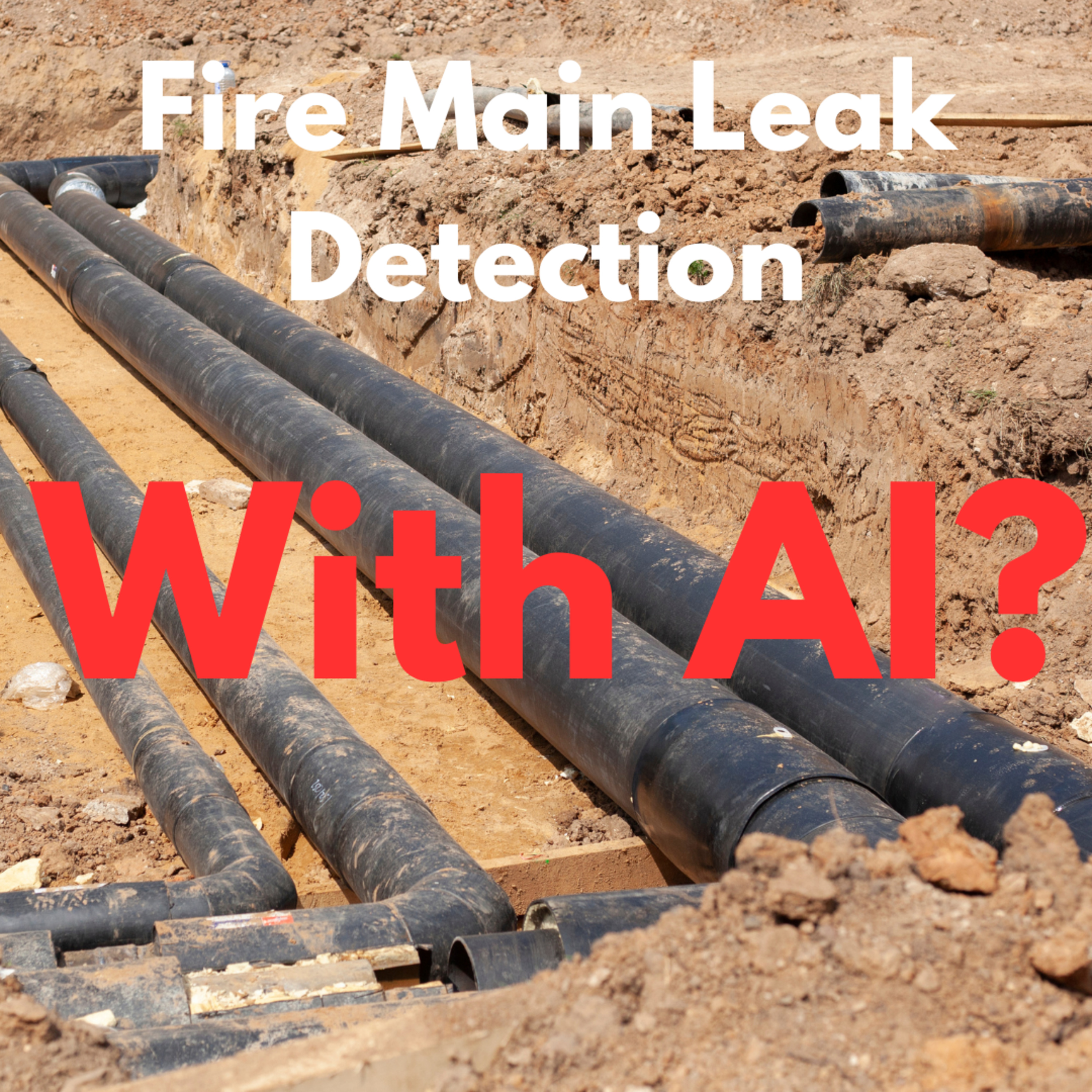
Fire Main Leak Management
from Energy Risk Engineering Hosted by John Munno - Risk Engineer, Golfer, Cancer Survivor.
Briefing Doc: Underground Fire Main Leak Management Source: "Underground Fire Main Leak 'Management'" by John Munno, Energy Risk Engineering Insights (January 9, 2024) Main Themes: Proactive Leak Detection: The article emphasizes the importance of proactively identifying and managing leaks in underground fire mains before they escalate into major incidents. Risk Assessment and Prioritization: A key theme is assessing the risk associated with each identified void or leak and prioritizing repairs based on severity and potential consequences. Technology Utilization: The article advocates for leveraging technologies like ultrasonic listening equipment and ground-penetrating radar to enhance leak detection and void assessment accuracy. Most Important Ideas & Facts: Silent Danger: Undetected leaks in underground fire mains can create voids beneath the pipe, compromising soil integrity and potentially leading to collapse. As stated in the source, "The problem comes when the leak causes the compacted soil beneath the pipe to erode away, leaving cavernous voids in some cases." Early Detection is Key: Identifying leaks early through routine inspections and monitoring can prevent catastrophic failures and costly repairs. Triggers for Investigation: The article outlines several "triggers" that warrant a closer investigation for potential leaks: Variations in jockey pump cycle times Flow rate anomalies in fire mains Pressure fluctuations Visible pipe corrosion, moisture, or discoloration Advanced Detection Methods:Ultrasonic Listening Equipment: Helps detect leaks by identifying sound patterns associated with leaks, such as hissing or turbulent flow. Ground-Penetrating Radar: Used to identify voids or air gaps surrounding the fire main, which could indicate a leak. Prioritization Criteria: Prioritizing repairs should consider factors such as: Risk Assessment: Evaluating the potential consequences and probability of failure for each leak. Critical Infrastructure Proximity: Giving priority to leaks near critical infrastructure or densely populated areas. Quantitative/Qualitative Data: Utilizing both technical data and safety assessments to guide prioritization. Key Quote: "A leak with no voids could be prioritized lower than one with a large void. Lower priority leaks should be resurveyed periodically until repaired." This quote emphasizes the importance of risk assessment in managing underground fire main leaks, demonstrating that the presence of voids significantly elevates the risk level.
Embed this episode
No transcript yet.