
EPISODE · Jul 31, 2026 · 8 MIN
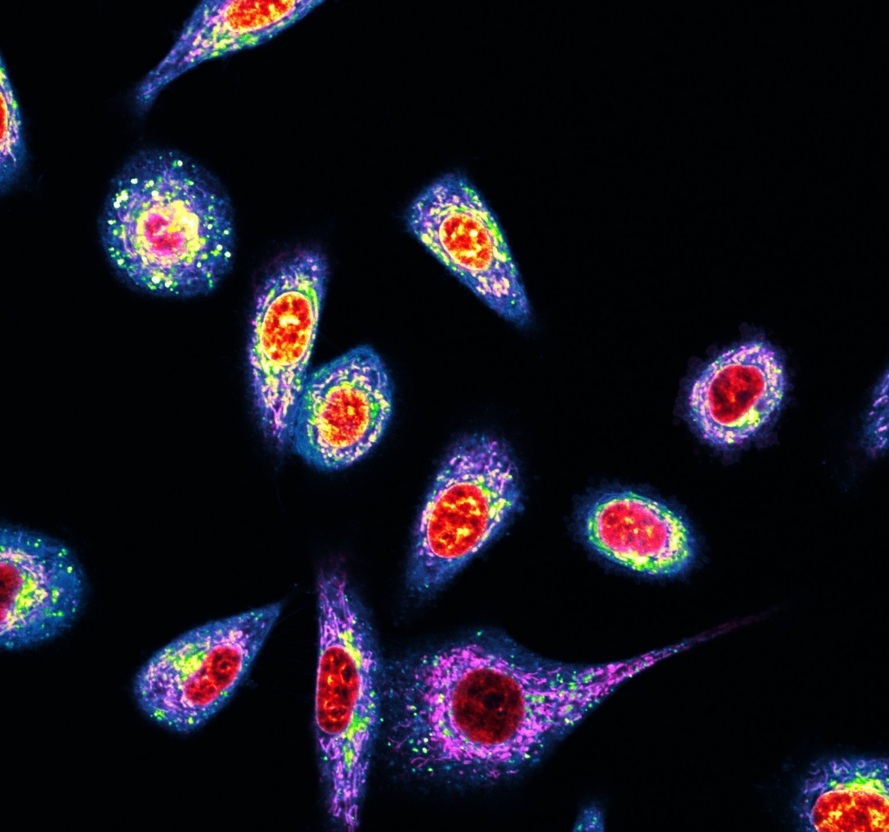
Fluorescent sensors bring cell contents to life
from The Science Show - Separate stories podcast · host Australian Broadcasting Corporation
Cells are full of molecules. Some are very large, such as proteins and DNA. Studying specific molecules or organelles in isolation is challenging. Elizabeth New makes sensor molecules which allow specific cell contents to fluoresce when viewed with a microscope. The aim is to see the effects of diseases and drugs on cells. Her methods can be applied to neurodegenerative diseases such as Parkinson’s Disease, cancer and diabetes and show molecules which cause harm and bring on ageing. There are opportunities to look for predictors of disease and test drugs. Elizabeth New is speaking from the SESAME synchrotron in Allan, Jordan where she is on secondment.
Embed this episode
NOW PLAYING
Fluorescent sensors bring cell contents to life
No transcript for this episode yet
Similar Episodes
Similar Podcasts
No similar podcasts found.