
EPISODE · Aug 26, 2025 · 33 MIN
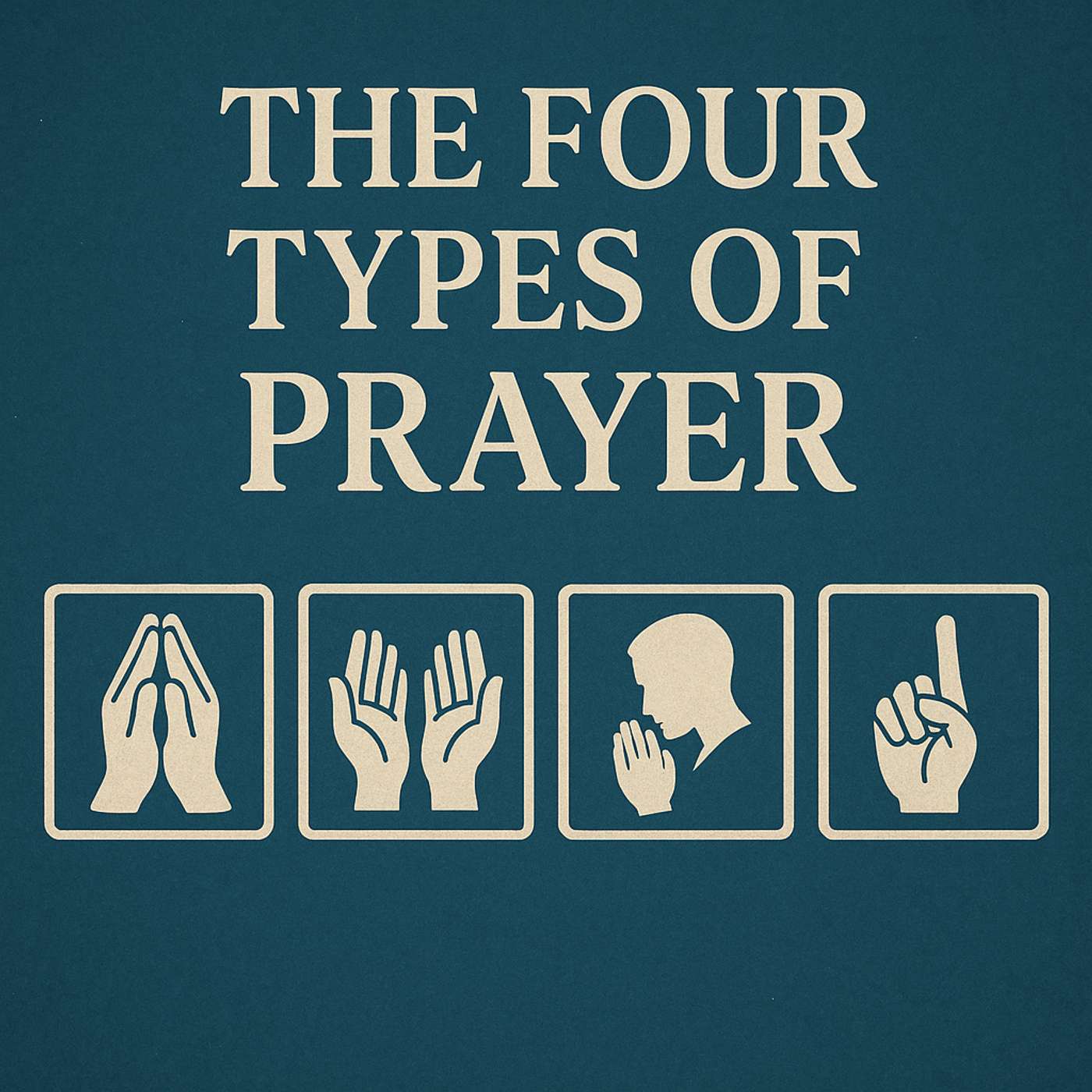
Four Types of Prayer (From our 8-24-25 worship)
from West Side Church of Christ - Elkton Ky · host Doug Gregory
Watch the video version here: https://youtu.be/rlgamoAhMKoSummary:Sermon Summary: The Four Types of PrayerIntroductionWorship through singing must be “with the spirit and with the understanding” (1 Corinthians 14).Songs that include Scripture help us worship with clarity and understanding (Colossians 3:16).Illustration: CMYK printing model – four colors combine to make every color. Similarly, Paul lists four distinct types of prayer in 1 Timothy 2:1: supplications, prayers, intercessions, and thanksgivings.Though often used interchangeably in English, each word carries a unique meaning and purpose.1. Supplications – Prayer for Specific, Felt NeedsDefined as specific, heartfelt petitions—requests that arise from pressing burdens or anxieties.Philippians 4:6 – “...by prayer and supplication with thanksgiving let your requests be made known to God.”Supplication is not casual—it’s urgent, personal, and consuming, often tied to deep anxiety or need.Example prayer emphasized asking God for personal strength and forgiveness, showing raw dependence on Him.2. Prayers – Conversational Communion with GodThis word for “prayer” in Greek implies turning toward God in relationship.More than formal requests—it can be a simple desire to be in God’s presence.Matthew 26:39 – Jesus prayed in Gethsemane, not just to ask, but to commune with His Father.Sometimes prayer is less about words and more about dwelling in God’s presence.3. Intercessions – Standing in the Gap for OthersIntercession means praying on behalf of others’ needs.Romans 8:34 – Christ intercedes for us at the right hand of God.James 5:16 – “The prayer of a righteous person has great power as it is working.”This type of prayer covers:Elders praying for their congregation.Congregation members praying for elders.Prayers for children, youth, deacons, and fellow believers.Intercession reflects Christlike love by carrying others’ burdens before God.4. Thanksgivings – Gratitude in All CircumstancesExpressing thanks, even in hardship, transforms perspective.Jesus gave thanks for the cup during the Lord’s Supper, though it symbolized His suffering and death (Matthew 26:27).Gratitude shifts focus from hardship to God’s faithfulness.Revelation 7:9–12 and Psalm 26 show thanksgiving as a vital part of worship before God’s throne.Conclusion – Prayer Shapes a Godly Life1 Timothy 2:1–6: Supplications, prayers, intercessions, and thanksgivings are for “all people...for kings and all who are in high positions.”Purpose: That believers may live peaceful, godly, and dignified lives.God desires all people to be saved and come to the knowledge of the truth.Prayer—whether supplication, communion, intercession, or thanksgiving—draws us closer to God and aligns us with His will.Invitation: Whatever your need—salvation, strength, or support—God listens and cares.
What this episode covers
Watch the video version here: https://youtu.be/rlgamoAhMKoSummary:Sermon Summary: The Four Types of PrayerIntroductionWorship through singing must be “with the spirit and with the understanding” (1 Corinthians 14).Songs that include Scripture help us worship with clarity and understanding (Colossians 3:16).Illustration: CMYK printing model – four colors combine to make every color. Similarly, Paul lists four distinct types of prayer in 1 Timothy 2:1: supplications, prayers, intercessions, and thanksgivings.Though often used interchangeably in English, each word carries a unique meaning and purpose.1. Supplications – Prayer for Specific, Felt NeedsDefined as specific, heartfelt petitions—requests that arise from pressing burdens or anxieties.Philippians 4:6 – “...by prayer and supplication with thanksgiving let your requests be made known to God.”Supplication is not casual—it’s urgent, personal, and consuming, often tied to deep anxiety or need.Example prayer emphasized asking God for personal strength and forgiveness, showing raw dependence on Him.2. Prayers – Conversational Communion with GodThis word for “prayer” in Greek implies turning toward God in relationship.More than formal requests—it can be a simple desire to be in God’s presence.Matthew 26:39 – Jesus prayed in Gethsemane, not just to ask, but to commune with His Father.Sometimes prayer is less about words and more about dwelling in God’s presence.3. Intercessions – Standing in the Gap for OthersIntercession means praying on behalf of others’ needs.Romans 8:34 – Christ intercedes for us at the right hand of God.James 5:16 – “The prayer of a righteous person has great power as it is working.”This type of prayer covers:Elders praying for their congregation.Congregation members praying for elders.Prayers for children, youth, deacons, and fellow believers.Intercession reflects Christlike love by carrying others’ burdens before God.4. Thanksgivings – Gratitude in All CircumstancesExpressing thanks, even in hardship, transforms perspective.Jesus gave thanks for the cup during the Lord’s Supper, though it symbolized His suffering and death (Matthew 26:27).Gratitude shifts focus from hardship to God’s faithfulness.Revelation 7:9–12 and Psalm 26 show thanksgiving as a vital part of worship before God’s throne.Conclusion – Prayer Shapes a Godly Life1 Timothy 2:1–6: Supplications, prayers, intercessions, and thanksgivings are for “all people...for kings and all who are in high positions.”Purpose: That believers may live peaceful, godly, and dignified lives.God desires all people to be saved and come to the knowledge of the truth.Prayer—whether supplication, communion, intercession, or thanksgiving—draws us closer to God and aligns us with His will.Invitation: Whatever your need—salvation, strength, or support—God listens and cares.
NOW PLAYING
Four Types of Prayer (From our 8-24-25 worship)
No transcript for this episode yet
Similar Episodes
Mar 26, 2026 ·1m
Mar 19, 2026 ·34m
Feb 18, 2026 ·11m
Feb 11, 2026 ·45m