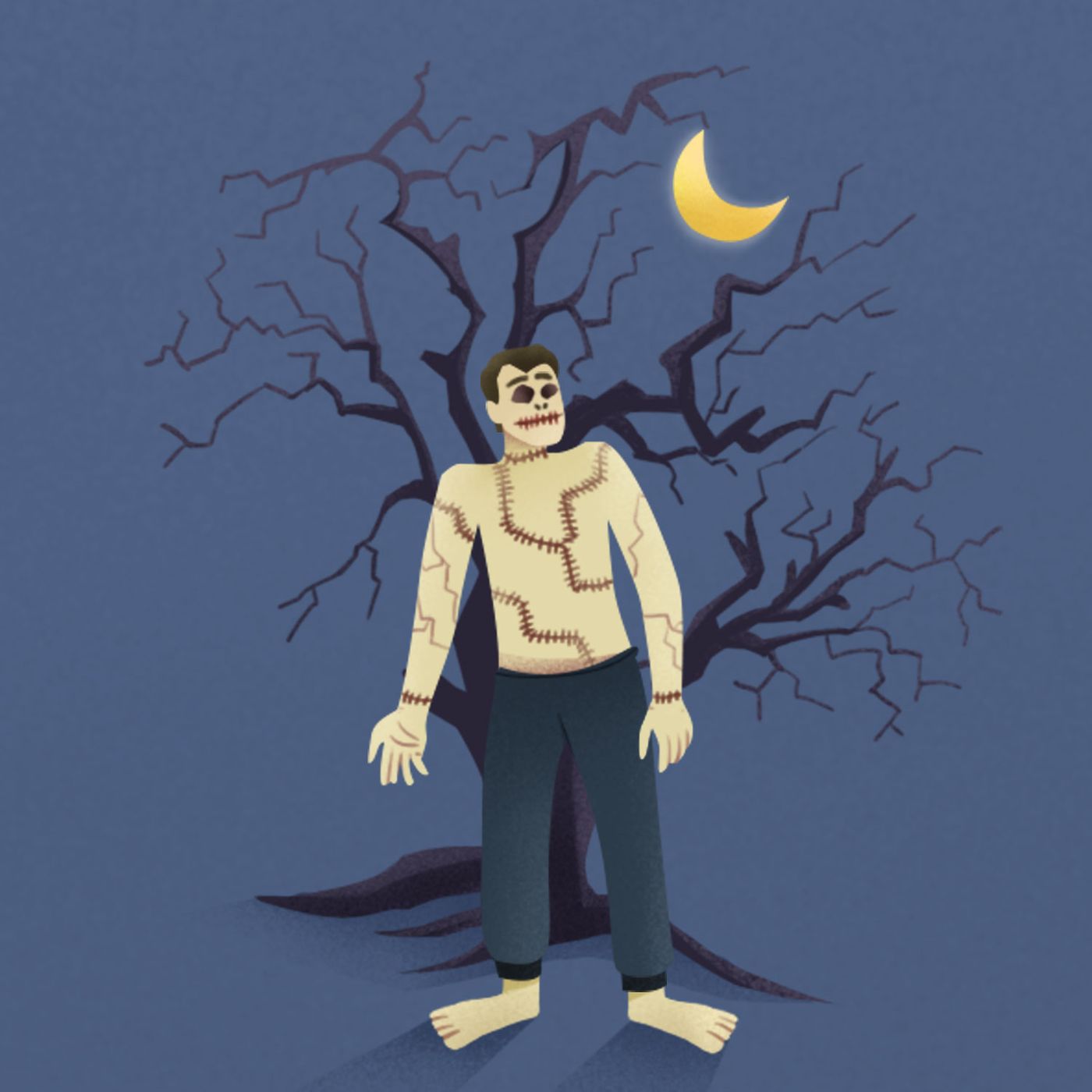
Frankenstein Full chapter Introduction episode artwork

EPISODE · Jun 7, 2023 · 18 MIN

Frankenstein Full chapter Introduction

from Bookey Summary · host Bookey

FrankensteinFrankenstein Full chapter Introduction This novel is recognized as the first work of science fiction. The main character in the story is a young scientist named Frankenstein. In an obsessive project to create life, he frequents mortuaries, tombs, and slaughterhouses. From the parts of various corpses, he pieces together an eight-foot-tall monster and brings it to life. But, when the monster is animated, Frankenstein is frightened by its hideous face, and he flees. An ominous day of fear and trepidation is quickly followed by a series of appalling events. The reek of death hangs on every page of the book.Overview | Chapter 1Hi, welcome to Bookey. Today we will unlock the world’s first science fiction novel, Frankenstein; or, The Modern Prometheus.In reality, looking at this novel through modern eyes, the science is imprecise. So, why does it still stand as the first work of science fiction?This is primarily due to the novel’s central premise, the scientific attempt to unlock the secrets of life through experiment, leading to the creation of artificial humans. This scenario established a fundamental paradigm for later science fiction stories. These required a science-based fantasy setting and needed to include aspects such as technological devices, unknown civilizations, or scientific events. All these elements have subsequently become common features of the genre.Critical thinking about technology is also at the core of the novel. This type of thought has since become a key theme in science fiction. In Frankenstein, Shelly tells us that going too far with science and pursuing enquiry to the point of obsession can lead to disaster. Frankenstein, the scientist, the novel’s protagonist, crosses the bridge between life and death, commanding the ability to create life. However, he lacks the strength of character to take responsibility for the life he has created. The message is that when out of control, free of the constraint, and of ethical and moral considerations, technology can eventually become a sharpened blade that harms both the scientist and humanity as a whole. Frankenstein is, of course, above all more a prophecy than a parable. Scientific and technological developments are Mary Shelly’s concern. She speculates regarding science’s development and reflects on the tension between technological capacity and human morality. Even after 200 years, her thoughts continue to serve as a warning today. The story has a timeless charm, and merits repeated reading.We will consider the effect of the novel from three viewpoints: Part One: The plot Part Two: The novel’s artistic featuresPart Three: Probing the book’s thematic complexity

Episode metadata supplied by the publisher feed · Published Jun 7, 2023

FrankensteinFrankenstein Full chapter Introduction This novel is recognized as the first work of science fiction. The main character in the story is a young scientist named Frankenstein. In an obsessive project to create life, he frequents mortuaries, tombs, and slaughterhouses. From the parts of various corpses, he pieces together an eight-foot-tall monster and brings it to life. But, when the monster is animated, Frankenstein is frightened by its hideous face, and he flees. An ominous day of fear and trepidation is quickly followed by a series of appalling events. The reek of death hangs on every page of the book.Overview | Chapter 1Hi, welcome to Bookey. Today we will unlock the world’s first science fiction novel, Frankenstein; or, The Modern Prometheus.In reality, looking at this novel through modern eyes, the science is imprecise. So, why does it still stand as the first work of science fiction?This is primarily due to the novel’s central premise, the scientific attempt to unlock the secrets of life through experiment, leading to the creation of artificial humans. This scenario established a fundamental paradigm for later science fiction stories. These required a science-based fantasy setting and needed to include aspects such as technological devices, unknown civilizations, or scientific events. All these elements have subsequently become common features of the genre.Critical thinking about technology is also at the core of the novel. This type of thought has since become a key theme in science fiction. In Frankenstein, Shelly tells us that going too far with science and pursuing enquiry to the point of obsession can lead to disaster. Frankenstein, the scientist, the novel’s protagonist, crosses the bridge between life and death, commanding the ability to create life. However, he lacks the strength of character to take responsibility for the life he has created. The message is that when out of control, free of the constraint, and of ethical and moral considerations, technology can eventually become a sharpened blade that harms both the scientist and humanity as a whole. Frankenstein is, of course, above all more a prophecy than a parable. Scientific and technological developments are Mary Shelly’s concern. She speculates regarding science’s development and reflects on the tension between technological capacity and human morality. Even after 200 years, her thoughts continue to serve as a warning today. The story has a timeless charm, and merits repeated reading.We will consider the effect of the novel from three viewpoints: Part One: The plot Part Two: The novel’s artistic featuresPart Three: Probing the book’s thematic complexity

PodParley-generated summary based on available episode metadata and transcript content.

NOW PLAYING

Frankenstein Full chapter Introduction

0:00 18:20

No transcript for this episode yet

We transcribe on demand. Request one and we'll notify you when it's ready — usually under 10 minutes.

Song Against Songs, The by G. K. Chesterton (1874 - 1936) LibriVox LibriVox volunteers bring you 9 recordings of The Song Against Songs by G. K. Chesterton. This was the Fortnightly Poetry project for October 16, 2011.Chesterton was a large man, standing 6 feet 4 inches (1.93 m) and weighing around 21 stone (130 kg; 290 lb). His girth gave rise to a famous anecdote. During World War I a lady in London asked why he was not 'out at the Front'; he replied, 'If you go round to the side, you will see that I am.' On another occasion he remarked to his friend George Bernard Shaw: "To look at you, anyone would think a famine had struck England". Shaw retorted, "To look at you, anyone would think you have caused it". P. G. Wodehouse once described a very loud crash as "a sound like Chesterton falling onto a sheet of tin."( Summary from Wikipedia ) HealthCall LIVE WOWO / Federated Media HealthCall LIVE with Lee Kelso is a summary of the weeks most interesting and useful health and medical news. Lee Kelso is a veteran TV news anchor, radio journalist and host of viewer-driven, health-focused TV and online broadcasts. Each week, he brings you a series of interesting health news headlines and medical breakthroughs collected from professional journals and research projects around the world. You can also listen to HealthCall LIVE at 7am Tuesday mornings and 9-10am Saturday mornings on News/Talk 1190 WOWO 107.5 FM in Fort Wayne. London Property Digest, by Longrad Longrad Welcome to London Property Digest, your essential 10-minute audio recap for staying informed on London's property market. Whether you're an estate agent, an investor, or just curious about real estate, our bite-sized episodes deliver the latest news, trends, and insights in a quick and easy format.What to Expect:Weekly News Roundup: A swift summary of the top property stories from the past week.Spotlight on Developments: An expert examination of noteworthy developments that deserve your attention.Originally created to keep our team at Longrad sharp, we’re now sharing it with the wider community — offering you a fast, comprehensive London property update on the go. Tarzan the Untamed by Edgar Rice Burroughs (1875 - 1950) Mc bill frank This book follows Tarzan and the Jewels of Opar chronologically. The action is set during World War I. While away from his plantation home in East Africa, invading German troops destroy it and kill his wife Jane and the Waziri warrior Wasimbu who is left crucified. Tarzan's search for vengeance is filled with much danger, many fierce fights and tons of action as he becomes active in the war on the British side. This is really just the start of the exciting adventures portrayed in this book. (Summary by Wikipedea and Phil Chenevert)

Frequently Asked Questions

How long is this episode of Bookey Summary?

This episode is 18 minutes long.

When was this Bookey Summary episode published?

This episode was published on June 7, 2023.

What is this episode about?

FrankensteinFrankenstein Full chapter Introduction This novel is recognized as the first work of science fiction. The main character in the story is a young scientist named Frankenstein. In an obsessive project to create life, he frequents...

Can I download this Bookey Summary episode?

Yes, you can download this episode by clicking the download button on the episode player, or subscribe to the podcast in your preferred podcast app for automatic downloads.
URL copied to clipboard!