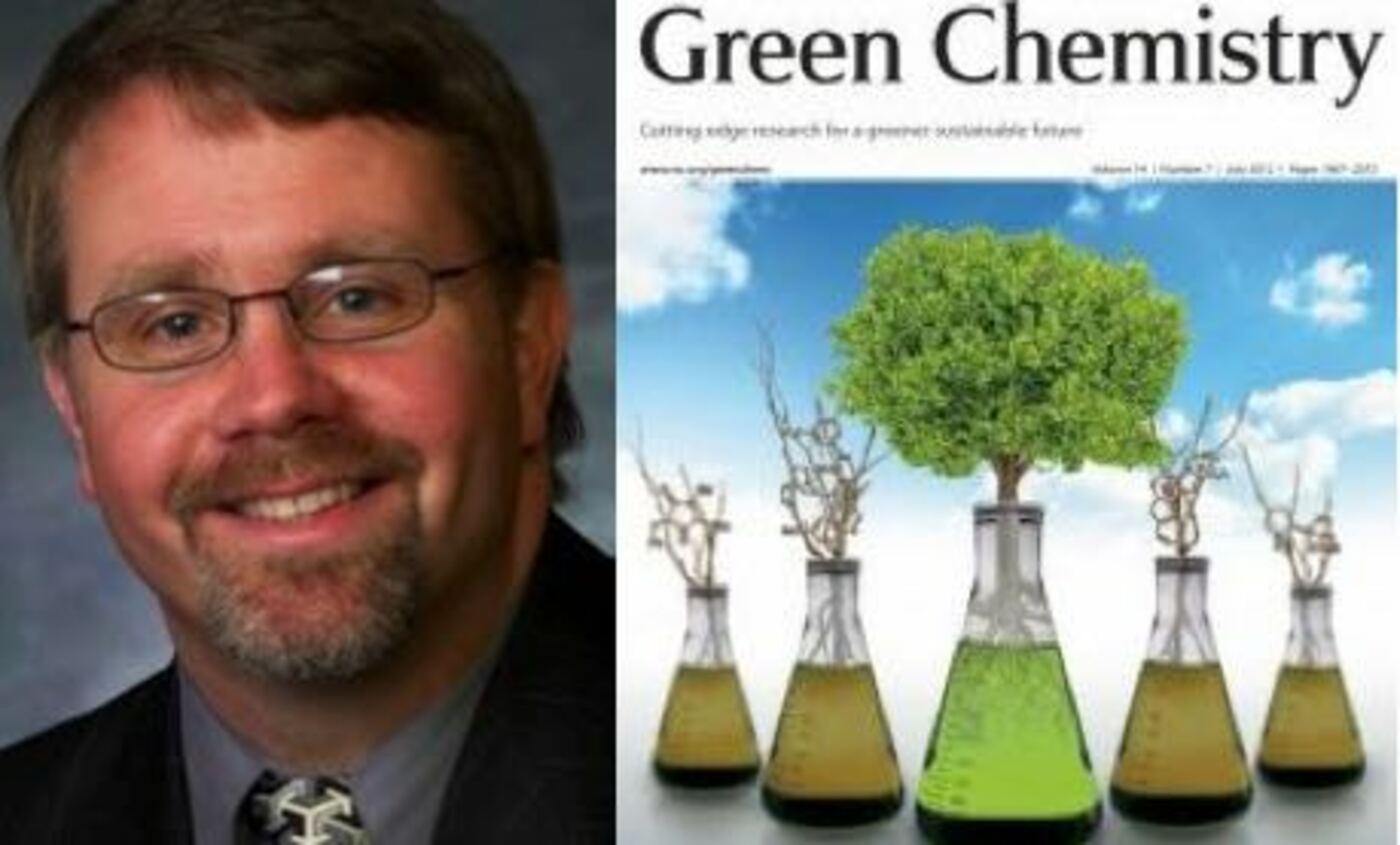
Free Forum Q&A - JOHN WARNER One of the founders of Green Chemistry Can we have progress without pollution? episode artwork

EPISODE · Apr 30, 2015 · 59 MIN

Free Forum Q&A - JOHN WARNER One of the founders of Green Chemistry Can we have progress without pollution?

from Free Forum with Terrence McNally · host Terrence McNally

(Originally aired November 2010) According to Scientific American, "Experts guesstimate that about 50,000 chemicals are used in U.S. consumer products and industrial processes. Why the uncertainty? The 1976 Toxic Substances Control Act does not require chemicals to be registered or proven safe before use. Because the Environmental Protection Agency must show, after the fact, that a substance is dangerous, it has managed to require testing of only about 300 substances that have been in circulation for decades. It has restricted applications of five." The harmful side effects of chemicals have long been tolerated in the US as a price of progress and profits. But in the early 1990s a small group of scientists began to think differently. Why, they asked, do we rely on hazardous substances for so many manufacturing processes? After all, chemical reactions happen continuously in nature, thousands of them within our own bodies, without any nasty by-products. Maybe, these scientists concluded, the problem was that chemists are not trained to think about the impacts of their inventions. Perhaps chemistry was toxic simply because no one had tried to make it otherwise. They called this new philosophy "green chemistry."J0HN WARNER and Paul Anastas are the founders of green chemistry and co-authors of Green Chemistry: Theory and Practice. In the book, they establish 12 guiding principles for chemists, concepts like preventing waste by incorporating as much of the materials used into the final product, and choosing the least complicated reaction. Warner left a lucrative job at Polaroid to found the nation's first doctoral program in green chemistry. In 2007, to go beyond teaching, he founded Warner Babcock Institute for Green Chemistry, an innovation incubator, in Wilmington, Mass.Green chemists use all the tools and training of traditional chemistry, but instead of ending up with toxins that must be treated and contained after the fact, they aim to create industrial processes that avert hazard problems altogether. The catch phrase is "benign by design".

(Originally aired November 2010) According to Scientific American, "Experts guesstimate that about 50,000 chemicals are used in U.S. consumer products and industrial processes. Why the uncertainty? The 1976 Toxic Substances Control Act does not require chemicals to be registered or proven safe before use. Because the Environmental Protection Agency must show, after the fact, that a substance is dangerous, it has managed to require testing of only about 300 substances that have been in circulation for decades. It has restricted applications of five." The harmful side effects of chemicals have long been tolerated in the US as a price of progress and profits. But in the early 1990s a small group of scientists began to think differently. Why, they asked, do we rely on hazardous substances for so many manufacturing processes? After all, chemical reactions happen continuously in nature, thousands of them within our own bodies, without any nasty by-products. Maybe, these scientists concluded, the problem was that chemists are not trained to think about the impacts of their inventions. Perhaps chemistry was toxic simply because no one had tried to make it otherwise. They called this new philosophy "green chemistry." J0HN WARNER and Paul Anastas are the founders of green chemistry and co-authors of Green Chemistry: Theory and Practice. In the book, they establish 12 guiding principles for chemists, concepts like preventing waste by incorporating as much of the materials used into the final product, and choosing the least complicated reaction. Warner left a lucrative job at Polaroid to found the nation's first doctoral program in green chemistry. In 2007, to go beyond teaching, he founded Warner Babcock Institute for Green Chemistry, an innovation incubator, in Wilmington, Mass. Green chemists use all the tools and training of traditional chemistry, but instead of ending up with toxins that must be treated and contained after the fact, they aim to create industrial processes that avert hazard problems altogether. The catch phrase is "benign by design".

NOW PLAYING

Free Forum Q&A - JOHN WARNER One of the founders of Green Chemistry Can we have progress without pollution?

0:00 59:58

No transcript for this episode yet

We transcribe on demand. Request one and we'll notify you when it's ready — usually under 10 minutes.

No similar episodes found.

No similar podcasts found.

Frequently Asked Questions

How long is this episode of Free Forum with Terrence McNally?

This episode is 59 minutes long.

When was this Free Forum with Terrence McNally episode published?

This episode was published on April 30, 2015.

What is this episode about?

(Originally aired November 2010) According to Scientific American, "Experts guesstimate that about 50,000 chemicals are used in U.S. consumer products and industrial processes. Why the uncertainty? The 1976 Toxic Substances Control Act does not...

Can I download this Free Forum with Terrence McNally episode?

Yes, you can download this episode by clicking the download button on the episode player, or subscribe to the podcast in your preferred podcast app for automatic downloads.
URL copied to clipboard!