
EPISODE · Jan 23, 2017 · 35 MIN
FreshEd #57 - Colonial Entanglements in Comparative Education (Arathi Sriprakash)
from FreshEd · host FreshEd with Will Brehm
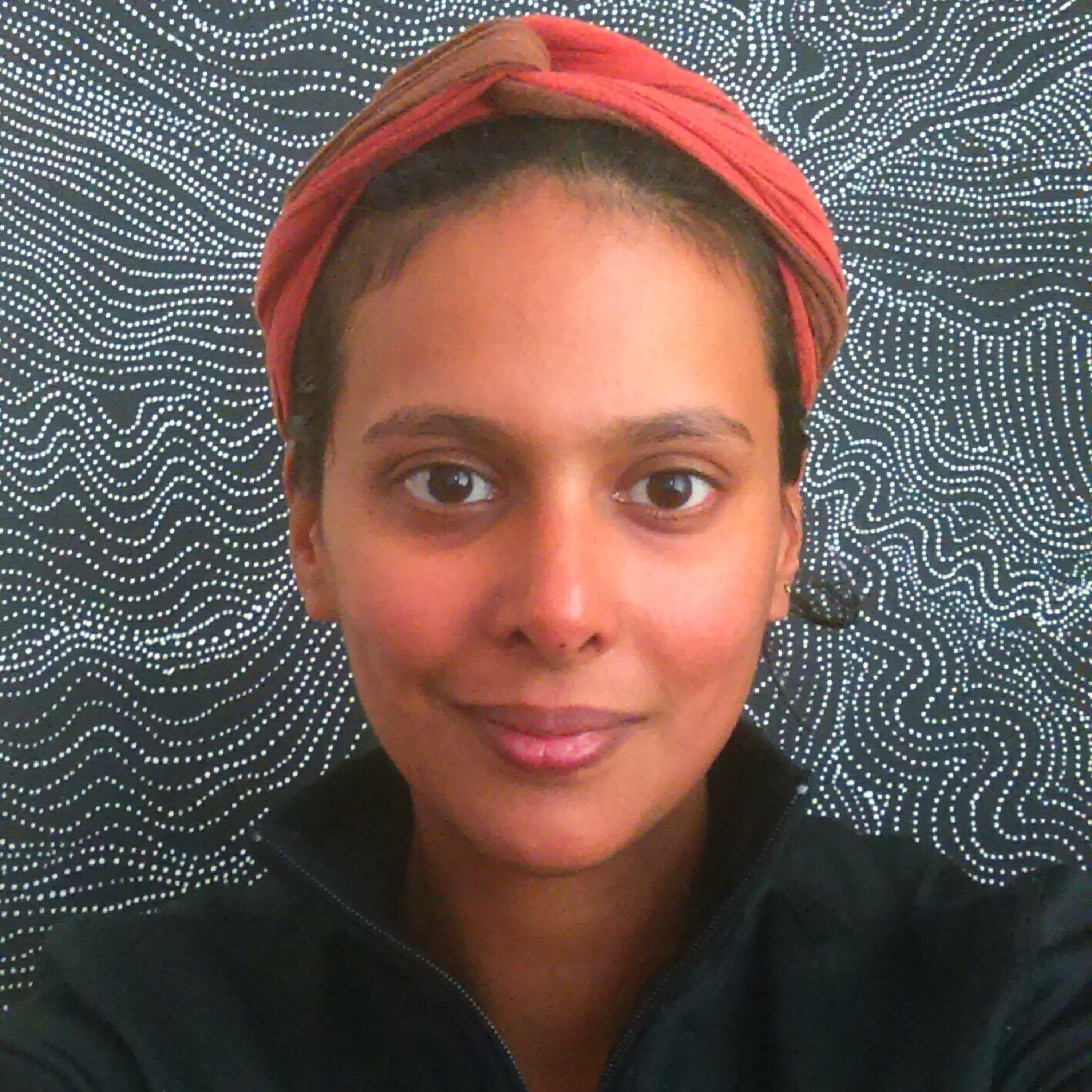
Today I speak with Arathi Sriprakash, a lecturer in the sociology of education at the University of Cambridge. Arathi co-edited with Keita Takayama and Raewyn Connel a special issue of Comparative Education Review on post-colonialism in the field of comparative and international education. The special issue shows that the field of comparative and international education continues to have many colonial entanglements, which have gone unrecognized in most accounts. Colonial logics underpinned many of the field’s founding figures and contemporary forms of modernization theory continue to be widely assumed today:. Knowledge is produced in the global north, often with data taken from the global south; theory is reserved for northern scholars; and some societies, like CIES in North America, have held more power over smaller societies from Asia and Africa. In most aspects of the field, we continue to see uneven power dynamics of where and how knowledge is produced by whom and with what effect. The special issue argues that post-colonial theory, broadly defined, can help overcome the continued prevalence of colonialism in the field today. The co-editors call for a rethinking of the way knowledge is produced in CIE. Arathi joined FreshEd to detail some of the ideas in the special issue.
Embed this episode
Ready to play
FreshEd #57 - Colonial Entanglements in Comparative Education (Arathi Sriprakash)
No transcript for this episode yet
Similar Episodes
No similar episodes found.