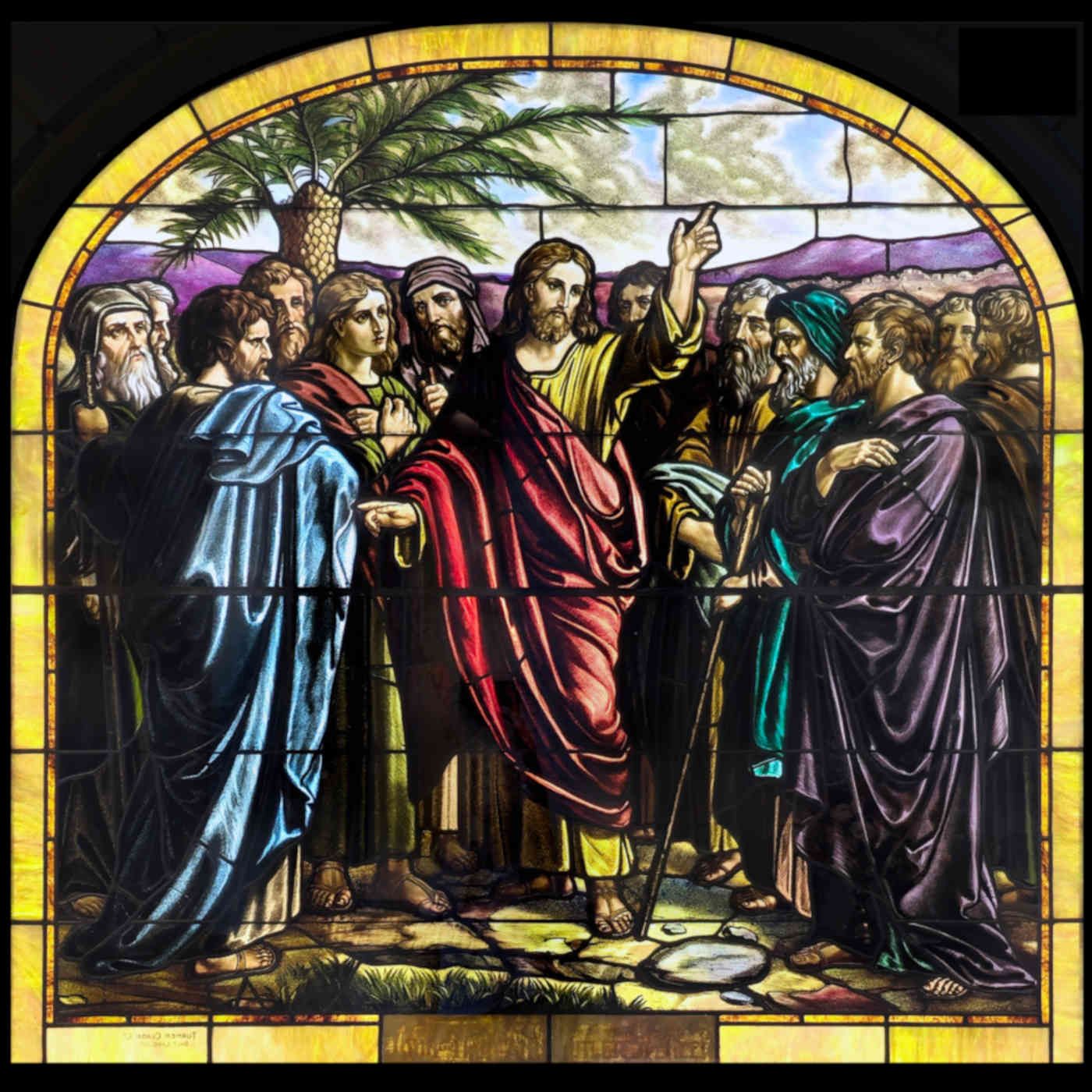
Friday of the Second Week in Ordinary Time - God Knows All Things episode artwork

EPISODE · Jan 22, 2026 · 7 MIN

Friday of the Second Week in Ordinary Time - God Knows All Things

from Catholic Daily Reflections · host My Catholic Life!

Read OnlineHe appointed the Twelve: Simon, whom he named Peter; James, son of Zebedee, and John the brother of James, whom he named Boanerges, that is, sons of thunder; Andrew, Philip, Bartholomew, Matthew, Thomas, James the son of Alphaeus; Thaddeus, Simon the Cananean, and Judas Iscariot who betrayed him. Mark 3:16–19Though Jesus called many disciples, He chose Twelve, representing the Twelve Tribes of Israel, and entrusted them with a unique mission. He named them Apostles, meaning “one who is sent” or “messenger,” and gave them His authority as the first bishops of His Church. Among them was the betrayer, Judas Iscariot. Did Jesus make a mistake when He called Judas to be an Apostle? Certainly not. Jesus’ actions were perfect in every way and fully in accord with the Father’s will. Why did He pick Judas, even though He knew he would betray Him?Saint Thomas Aquinas teaches that Jesus possessed the Beatific Vision and infused knowledge from the moment of His conception (Summa Theologiae, III.9.2&3). Therefore, He comprehended all things with God’s eternal knowledge, including the future role each Apostle would play. When He chose Judas Iscariot, He knew the path Judas would take, yet He called him anyway.An important theological principle to understand is that God’s foreknowledge of our future does not interfere with our free will. Some philosophers have argued that God’s foreknowledge means the path we walk is predetermined and cannot change. While it is true that what God knows will not change, it is also true that His knowledge does not force or determine what we freely choose. God’s knowledge simply transcends and encompasses all time.When pondering the sorrowful betrayal of one of Jesus’ intimate friends, there are important lessons we can learn from this permissive act of evil. God permits evil because He permits good. If He were to prohibit evil—an act of free will—He would be prohibiting the use of free will itself, thwarting our ability to freely love. This reveals the incredible gift that God has given us: the ability to love or not. This gift is essential to who we are, enabling us to share in God’s abundant and overflowing love and mercy, freely bestowed and freely received.God’s permissive will also reflects the mysterious relationship between Divine Providence and human action. God, Who is All-Powerful, can bring good even out of the gravest sins. This is not a credit to us but to God’s might. In the case of Judas, God used his betrayal to set in motion the very act of redemption. The same is true in our lives.When we experience betrayal, or betray another, God is able to bring good out of that act. If we are guilty of betrayal and fail to repent, God’s justice will prevail, and we will be condemned. Though our sins against others are damaging, God can use even our sins for good in their lives. He can foster mercy and forgiveness in others’ hearts and unite them more fully with Himself, Who was betrayed.When another sins against us, the impulse to judge and condemn is a common temptation. Yet, the lesson we must learn from Judas is recorded beautifully by Saint Paul: “We know that all things work for good for those who love God, who are called according to his purpose” (Romans 8:28). Even injustice and sins committed against us are not reasons for despair but for hope—hope in the sinner’s repentance and hope that God will transform evil into good for those who love Him and unite themselves with Jesus’ betrayal by Judas. Reflect today on God’s almighty power to work all things for good in your life, even sin. Though the sinner who refuses to repent will experience the fullness of God’s justice, profound good can come from our repentance and from imitating Jesus, Who endured cruel betrayal. Trust in His power and allow Him to bring good out of evil in your life. Doing so not only lifts the heavy burden of anger, it also infuses God’s perfect charity into any and everything we encounter or endure in life. My triumphant Lord, You were cruelly treated by one of Your closest companions, yet in Your almighty power You transformed that evil, bringing from it the greatest good ever known—our redemption. Please give me the grace to repent when I sin, and when I am sinned against, help me to unite that injustice to the betrayal You endured so that Your grace will triumph. Jesus, I trust in You.  Image: NateBergin, CC BY 4.0, via Wikimedia CommonsSource of content: catholic-daily-reflections.comCopyright © 2026 My Catholic Life! Inc. All rights reserved. Used with permission via RSS feed.

Read OnlineHe appointed the Twelve: Simon, whom he named Peter; James, son of Zebedee, and John the brother of James, whom he named Boanerges, that is, sons of thunder; Andrew, Philip, Bartholomew, Matthew, Thomas, James the son of Alphaeus; Thaddeus, Simon the Cananean, and Judas Iscariot who betrayed him. Mark 3:16–19Though Jesus called many disciples, He chose Twelve, representing the Twelve Tribes of Israel, and entrusted them with a unique mission. He named them Apostles, meaning “one who is sent” or “messenger,” and gave them His authority as the first bishops of His Church. Among them was the betrayer, Judas Iscariot. Did Jesus make a mistake when He called Judas to be an Apostle? Certainly not. Jesus’ actions were perfect in every way and fully in accord with the Father’s will. Why did He pick Judas, even though He knew he would betray Him?Saint Thomas Aquinas teaches that Jesus possessed the Beatific Vision and infused knowledge from the moment of His conception (Summa Theologiae, III.9.2&3). Therefore, He comprehended all things with God’s eternal knowledge, including the future role each Apostle would play. When He chose Judas Iscariot, He knew the path Judas would take, yet He called him anyway.An important theological principle to understand is that God’s foreknowledge of our future does not interfere with our free will. Some philosophers have argued that God’s foreknowledge means the path we walk is predetermined and cannot change. While it is true that what God knows will not change, it is also true that His knowledge does not force or determine what we freely choose. God’s knowledge simply transcends and encompasses all time.When pondering the sorrowful betrayal of one of Jesus’ intimate friends, there are important lessons we can learn from this permissive act of evil. God permits evil because He permits good. If He were to prohibit evil—an act of free will—He would be prohibiting the use of free will itself, thwarting our ability to freely love. This reveals the incredible gift that God has given us: the ability to love or not. This gift is essential to who we are, enabling us to share in God’s abundant and overflowing love and mercy, freely bestowed and freely received.God’s permissive will also reflects the mysterious relationship between Divine Providence and human action. God, Who is All-Powerful, can bring good even out of the gravest sins. This is not a credit to us but to God’s might. In the case of Judas, God used his betrayal to set in motion the very act of redemption. The same is true in our lives.When we experience betrayal, or betray another, God is able to bring good out of that act. If we are guilty of betrayal and fail to repent, God’s justice will prevail, and we will be condemned. Though our sins against others are damaging, God can use even our sins for good in their lives. He can foster mercy and forgiveness in others’ hearts and unite them more fully with Himself, Who was betrayed.When another sins against us, the impulse to judge and condemn is a common temptation. Yet, the lesson we must learn from Judas is recorded beautifully by Saint Paul: “We know that all things work for good for those who love God, who are called according to his purpose” (Romans 8:28). Even injustice and sins committed against us are not reasons for despair but for hope—hope in the sinner’s repentance and hope that God will transform evil into good for those who love Him and unite themselves with Jesus’ betrayal by Judas. Reflect today on God’s almighty power to work all things for good in your life, even sin. Though the sinner who refuses to repent will experience the fullness of God’s justice, profound good can come from our repentance and from imitating Jesus, Who...

NOW PLAYING

Friday of the Second Week in Ordinary Time - God Knows All Things

0:00 7:13

No transcript for this episode yet

We transcribe on demand. Request one and we'll notify you when it's ready — usually under 10 minutes.

Christadelphian Encouragements CE.captivate.fm Christadelphian Encouragements provides sermons, exhortations, bible studies, memorials, and daily readings from around the world. Please visit ChristadelphianEncouragements.Com and our content creators websites for more information and Christian audio content. LE HAWKESBURY SOCIAL ’BACK TO LIFE’ ADAM STACEY Welcome to the ‘Le Hawkesbury Social’, 'Back to Life’ a space where we celebrate life in all its colors: happiness, joy, love, connection, and even the moments of sadness that make us human. A space where we celebrate life in all its colors: happiness, joy, love, connection, and even the moments of sadness that make us human. Hosted by a passionate mental health advocate, this show dives deep into the topics that truly matter to today’s culture and community. Each episode offers honest conversations, thoughtful reflections, and real stories that bring people together. Whether you’re here for mental health discussions, community connections, or just looking to feel seen and heard in a fast-paced world, you’re in the right place. Adam believes in building a diverse and inclusive community where voices from every background can come together, share, and support one another. That’s why every Wellness Podcast, we open the mic to local community partners, support services, and inspiring voi Westenberg Joan Westenberg The Westenberg Podcast offers ideas, explainers, book notes, and reflections on technology, philosophy, and the human experience. Hosted by Joan Westenberg, each episode unpacks complex topics with clarity and depth, blending personal insights with thought-provoking analysis. It’s a space for exploring big questions and fresh perspectives in an accessible format. Gooday Gaming Guests FFF Gaming Emporium These are my Daily Messages in a Bottle sent over the internet Ocean for anyone to find. Listen to a Quick 20-minute Journey into my Life's Passions Work a Few Times a Day. I am 57. I Grew Up on All Gaming and Computing. I am a Seller of Gaming Parts on eBay and Etsy. In the past 8 years, I have learned about every system ever made. I am also an Enthusiast, Collector and Hobbyist of all Vintage Computing from the Very Beginning. In the last Few Years, I have been sharing my knowledge with others on YouTube, TikTok and Now this Pod Cast.See where all the Magic Happens:FFF Gaming Emporium | eBay Storeshttps://www.youtube.com/channel/UCDrdCmDQ52AsCWTWAhE7JEQ/<a target="_blank" rel="noopener noreferrer nofollow" href="https://www

Frequently Asked Questions

How long is this episode of Catholic Daily Reflections?

This episode is 7 minutes long.

When was this Catholic Daily Reflections episode published?

This episode was published on January 22, 2026.

What is this episode about?

Read OnlineHe appointed the Twelve: Simon, whom he named Peter; James, son of Zebedee, and John the brother of James, whom he named Boanerges, that is, sons of thunder; Andrew, Philip, Bartholomew, Matthew, Thomas, James the son of Alphaeus;...

Can I download this Catholic Daily Reflections episode?

Yes, you can download this episode by clicking the download button on the episode player, or subscribe to the podcast in your preferred podcast app for automatic downloads.
URL copied to clipboard!