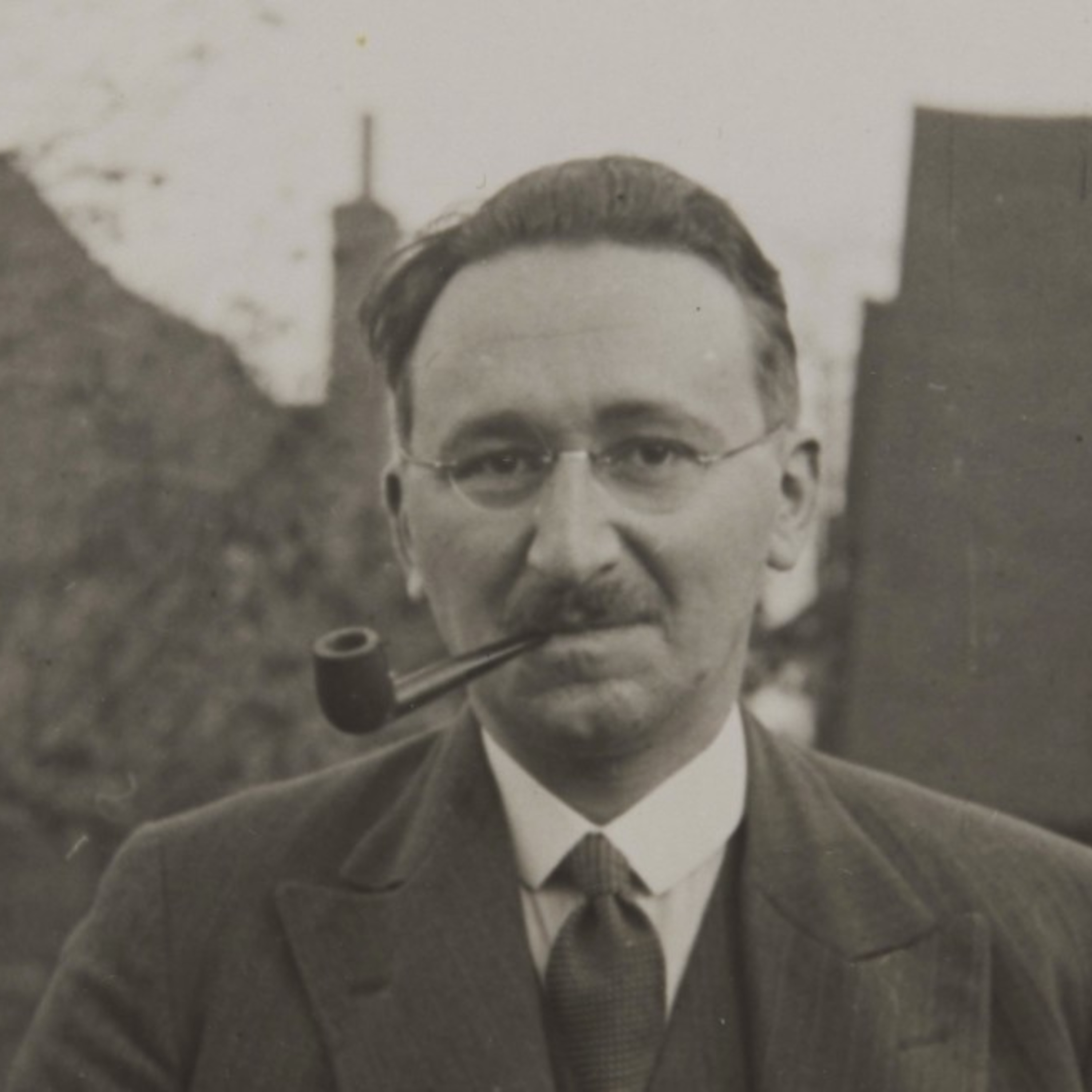
Friedrich von Hayek: nieoczywisty liberał - Marcin Gorazda episode artwork

EPISODE · Aug 5, 2019 · 46 MIN

Friedrich von Hayek: nieoczywisty liberał - Marcin Gorazda

from Copernicus · host Copernicus Center

Friedricha Augusta von Hayeka nie trzeba przedstawiać. Wybitny austriacki ekonomista w roku W 1974 otrzymał Nagrodę Banku Szwecji im. Alfreda Nobla. Mało kto jednak wie, że sam był przeciwnikiem takiej nagrody, obawiając się, że Nobel z dziedziny ekonomii mógłby być tendencyjnie przyznawany prekursorom "mód" intelektualnych - a ekonomia to zdecydowanie poważna sprawa. Twórczość Hayeka zarówno w obszarze ekonomii oraz filozofii jest nadal żywa i przywoływana, czy to w przypadku ostatniego kryzysu gospodarczego czy rozważań o ekonomii socjalnej. 

Friedricha Augusta von Hayeka nie trzeba przedstawiać. Wybitny austriacki ekonomista w roku W 1974 otrzymał Nagrodę Banku Szwecji im. Alfreda Nobla. Mało kto jednak wie, że sam był przeciwnikiem takiej nagrody, obawiając się, że Nobel z dziedziny ekonomii mógłby być tendencyjnie przyznawany prekursorom "mód" intelektualnych - a ekonomia to zdecydowanie poważna sprawa. Twórczość Hayeka zarówno w obszarze ekonomii oraz filozofii jest nadal żywa i przywoływana, czy to w przypadku ostatniego kryzysu gospodarczego czy rozważań o ekonomii socjalnej.

NOW PLAYING

Friedrich von Hayek: nieoczywisty liberał - Marcin Gorazda

0:00 46:29

No transcript for this episode yet

We transcribe on demand. Request one and we'll notify you when it's ready — usually under 10 minutes.

Eyes Wide Open Conor Ryan On this Podcast we explore ideas and questions about the Human Mind, Culture, Behaviour and Society through conversations with Academics, Writers, Creatives, Scientists and Experts in their Chosen Field. Conversations in pursuit of Insights, Wisdom, Truth and New Perspectives......"Strategies for living life well"."Finally we shall place the Sun himself at the center of the Universe. All this is suggested by the system of procession of events and the harmony of the whole Universe, if only we face the facts, as they say, with EYES WIDE OPEN." - Nicolaus CopernicusI’m a Screenwriting M.A with with an unquenchable curiosity and a background in the Performing Arts, Digital Marketing and U.S Tech.FOLLOW CONOR ON YOTUBE HERE: https://www.youtube.com/@Conor-RyanON TWITTER HERE: https://twitter.com/EyesWopenChannel Values:Free inquiryIntellectual curiosity with humilityScepticism without cynici Inside Copernicus - Europas Blick auf die Erde Godela Rossner & Seraphine Luneau Dem Planeten den Puls fühlen – das kann Copernicus. Das Erdbeobachtungsprogramm der EU überwacht die Erde in vielen Dimensionen. Es beobachtet die Veränderungen der Vegetation, von Binnen und Küstengewässern, erfasst etwa auch, wie sich Stickoxide, Treibhausgase oder Feinstaubpartikel in der Atmosphäre verteilen. Auf Basis dieser Daten werden aktuelle Informationen bereitgestellt und Antworten auf Fragen ermöglicht wie z.B.: Wie wird die Ernte ausfallen? Wie groß sind die Schäden durch Dürre, Waldbrände oder Überflutungen? Wo entstehen in den Städten Hitze-Hotspots? Nehmen die Konzentrationen der Treibhausgase in der Atmosphäre weiter zu und wie verhalten sich Treibhausgassenken wie die Ozeane?Gemeinsam mit Experten und Expertinnen zeigen wir mit aktuellen Beispielen, wo überall Satellitendaten eingesetzt werden– und welche Antworten sie heute schon liefern.Credit Podcast Cover: ESA, Copernicus Sentinels Butterflies Are Free To Fly Stephen Davis on Podiobooks.com When Nicolaus Copernicus discovered the Earth wasn't the center of the Universe, everything changed. When Isaac Newton figured out the law of gravity from a falling apple, everything changed. When Benjamin Franklin harvested electricity from lightening and Thomas Edison made the first commercial light bulb, everything changed. Today, when quantum physicists realize our physical universe isn't real, that it's just a hologram, everything … wait! Nothing's changed - yet."Butterflies Are Free To Fly" offers a new and radical approach to spiritual evolution based on the recent scientific experiments in quantum physics and brain research outlined in Part One. Given that the physical universe which looks and feels so real to us is actually a unique holographic projection from our own brain, the author examines various models for life and living that are very different than what we have been told and taught."This is the only radical thinking that you need to do," Dr. Amit Goswami is quoted Renaissance Interview David Standring Social Studies class project including interviews of William Shakespeare and Nicholas Copernicus

Frequently Asked Questions

How long is this episode of Copernicus?

This episode is 46 minutes long.

When was this Copernicus episode published?

This episode was published on August 5, 2019.

What is this episode about?

Friedricha Augusta von Hayeka nie trzeba przedstawiać. Wybitny austriacki ekonomista w roku W 1974 otrzymał Nagrodę Banku Szwecji im. Alfreda Nobla. Mało kto jednak wie, że sam był przeciwnikiem takiej nagrody, obawiając się, że Nobel z dziedziny...

Can I download this Copernicus episode?

Yes, you can download this episode by clicking the download button on the episode player, or subscribe to the podcast in your preferred podcast app for automatic downloads.
URL copied to clipboard!