
EPISODE · Jun 1, 2026 · 28 MIN
From Founder-Driven to System-Driven: The Leadership Shift That Unlocks Scale
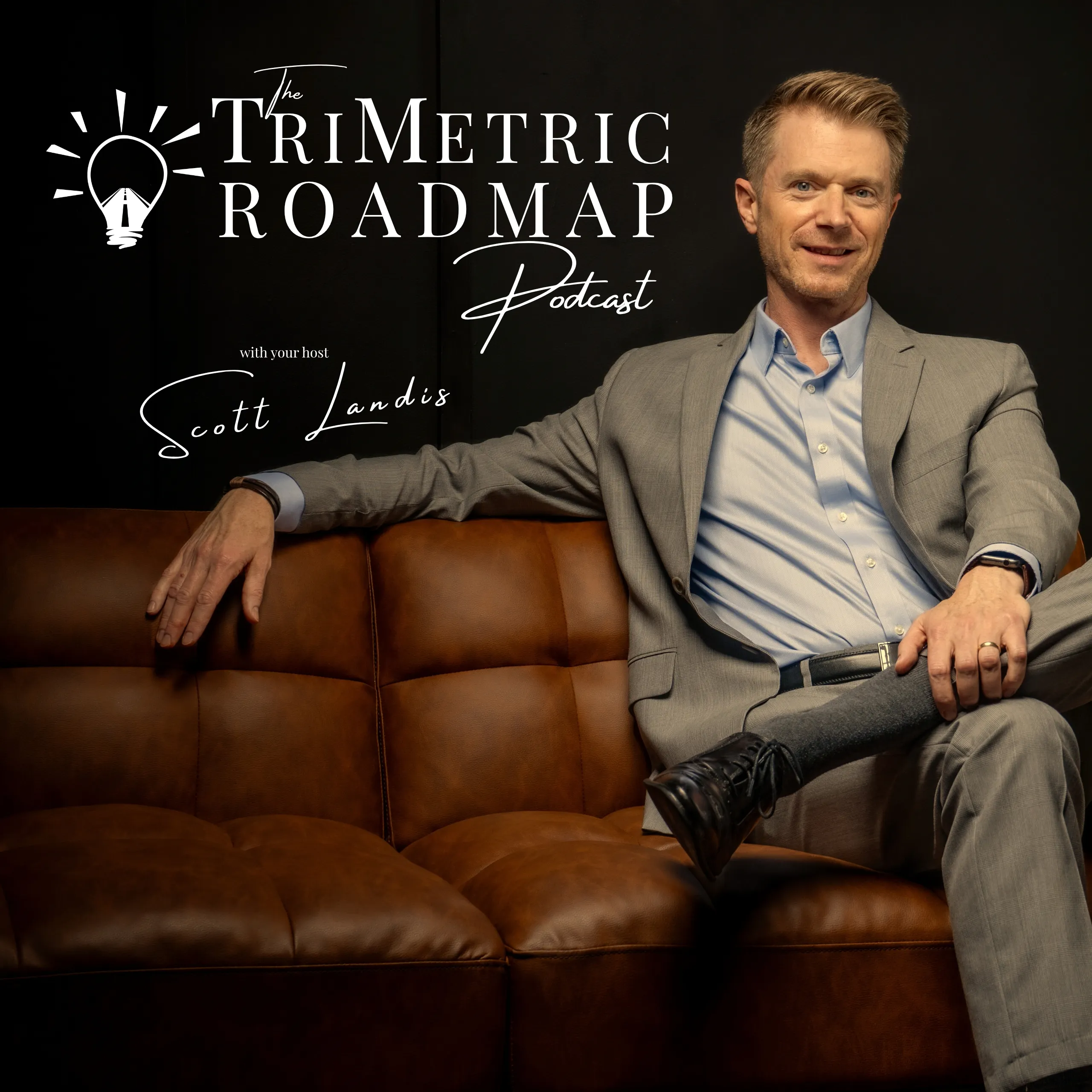
from The TriMetric Roadmap Podcast With Scott Landis · host Scott Landis
From Founder-Driven to System-Driven: The Leadership Shift That Unlocks Scale Most founders want the same thing: a business that runs better, grows stronger, and gives them more freedom. But here’s the problem: you can’t jump from founder chaos to founder freedom in one move. In this episode of The TriMetric Roadmap, Scott Landis and Jeff Jacob unpack the six stages of executive performance that help a founder-led company mature from reactive and owner-dependent into aligned, accountable, and scalable. The big idea: before the business can mature, leadership has to mature. Scott and Jeff walk through the progression every founder has to face: Strategic Clarity — knowing where the business is going and what matters most. Leadership Alignment — getting the right people on the bus and clear on the destination. Execution Through Others — moving from “I do everything” to real delegation and accountability. Institutional Knowledge — getting key information out of the founder’s head and into systems the company can actually use. Intelligent Systems — building visibility, repeatability, and decision-making structure. Leadership Multiplication — developing leaders who can carry the business forward without the founder being the bottleneck. A major focus of the conversation is institutional knowledge. Most businesses have processes, but they live in someone’s head, scattered documents, spreadsheets, texts, or tribal memory. That may work for survival, but it does not work for scale, freedom, or transferable value. Scott and Jeff explain why SOPs alone are not enough. A scalable company needs a deeper operating structure: clear stages, owners, outcomes, activities, measures, and tools that make the business reproducible. When that happens, the business becomes easier to lead, easier to grow, and eventually easier to sell. They also discuss why founders often overvalue their personal “flavor” in the business. Personality and instinct may help get the company off the ground, but they cannot remain the foundation forever. At some point, the system has to become stronger than the founder’s personal involvement. The episode closes with leadership multiplication: the stage where freedom really begins. Jeff explains that founders must reduce the task whirlwind, invest time in developing others, and build the leadership capacity required for the next stage of growth. Core Takeaway: Executive performance is not about better meetings or better software. It is about maturing the leadership system of the company. Clarity creates alignment. Alignment enables execution. Execution reveals the need to capture knowledge. Captured knowledge supports intelligent systems. Intelligent systems allow leadership to multiply. That is how a founder-led company becomes scalable—not by skipping stages, but by building the leadership maturity required for freedom.
Embed this episode
Ready to play
From Founder-Driven to System-Driven: The Leadership Shift That Unlocks Scale
No transcript for this episode yet
Similar Episodes
No similar episodes found.
Similar Podcasts
No similar podcasts found.