
EPISODE · Feb 12, 2017 · 51 MIN
From Lower Truth to Higher Truth — Swami Bhaskarananda
from Vedanta Society of Western Washington
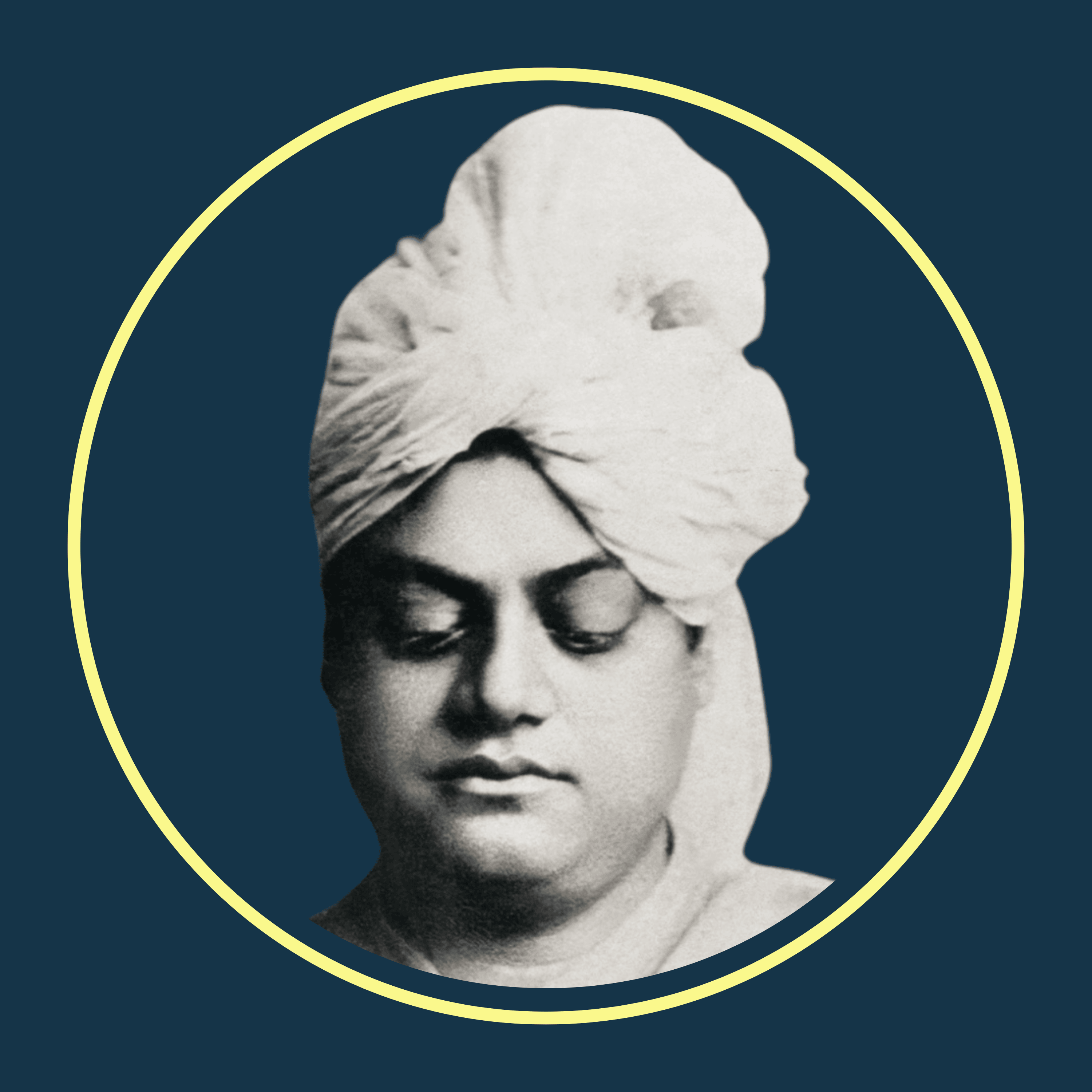
Recorded at the Vedanta Society of Western Washington on February 12, 2017.In this lecture, Swami Bhaskarananda examines Swami Vivekananda's statement that humanity progresses "from lower truth to higher truth, not from error to truth." He begins by exploring the nature of truth itself, explaining the classical Vedantic methods for validating knowledge—including perception, inference, reliable testimony, comparison, postulation, and non-perception—and distinguishing between sensory truths and the highest spiritual truth. Through examples from everyday life, philosophy, and science, he discusses how truth is understood, why truthfulness is regarded as an essential spiritual discipline, and how ethical living and honesty help purify the mind and prepare it for deeper spiritual realization.The second half of the talk focuses on the gradual nature of spiritual growth and the importance of interpreting religious teachings according to a person's level of understanding. Drawing on stories from the Mahabharata, including Sri Krishna's guidance to Arjuna and the account of the ascetic Kaushika, Swami Bhaskarananda explains that truthfulness must be guided by compassion, wisdom, and the welfare of others rather than rigid literalism. He illustrates how the world's great spiritual teachers, including Jesus Christ and Swami Vivekananda, offered progressively deeper teachings suited to different stages of development, culminating in the Vedantic realization that the Divine alone is the unchanging reality and that every being is inherently divine. The lecture concludes by affirming that spiritual life is a journey of awakening from relative truths to the direct realization of the Absolute Truth.
Embed this episode
NOW PLAYING
From Lower Truth to Higher Truth — Swami Bhaskarananda
No transcript for this episode yet
Similar Episodes
No similar episodes found.
Similar Podcasts
No similar podcasts found.