From the Bayou to the Bio-Lab: How Scientists are Learning to "Put Crayfish to Sleep" episode artwork

EPISODE · Nov 12, 2025 · 14 MIN

From the Bayou to the Bio-Lab: How Scientists are Learning to "Put Crayfish to Sleep"

from Simple Science Deep Dive · host Nguyen K. Tram, Ph.D.

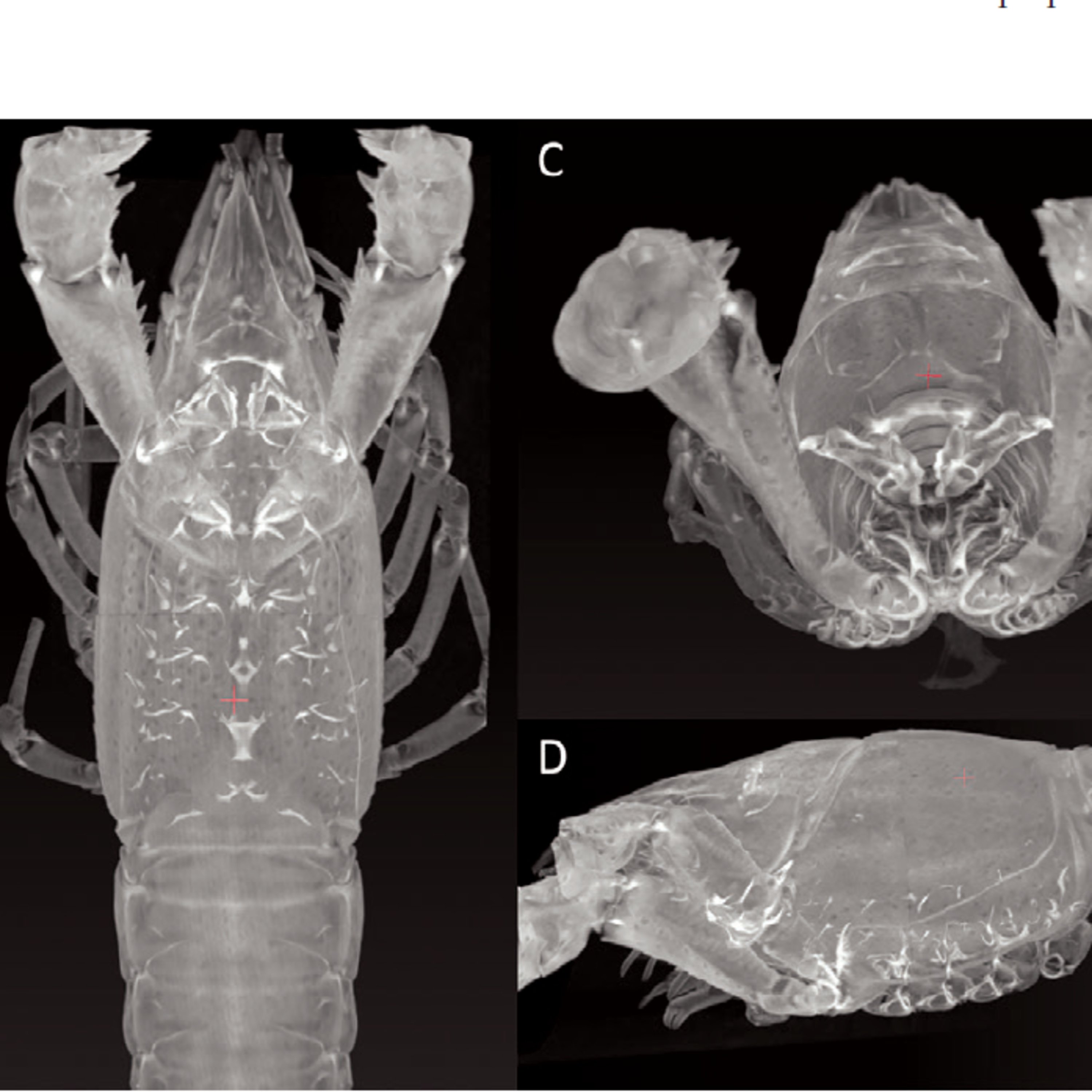
Featured paper: Anesthesia with Tricaine Methanesulfonate (MS222) and Propofol and Its Use for Computed Tomography of Red Swamp Crayfish (Procambarus clarkii)Why are scientists putting crayfish to sleep, and what can these humble crustaceans teach us about healing human brains? In this episode, we dive into groundbreaking research that developed the first humane anesthesia protocol for Red Swamp Crayfish, unlocking their potential as neurological research superstars. Discover why MS222, the gold standard for fish, completely failed on crayfish, how propofol injections achieve surgical anesthesia in just 54 seconds, and why these crustaceans' superpower of continuously regenerating brain cells throughout their lives could hold secrets for human healing. We explore the delicate balance between effectiveness and safety, reveal stunning CT scan images captured during "crayfish naps," and unpack why understanding stem cells in crayfish blood might someday help us repair damaged human brains. Join us for a fascinating journey from the Louisiana bayou to the cutting-edge bio-lab, where better animal welfare meets revolutionary science.*Disclaimer: This content was generated by NotebookLM and has been reviewed for accuracy by Dr. Tram.*

Featured paper: Anesthesia with Tricaine Methanesulfonate (MS222) and Propofol and Its Use for Computed Tomography of Red Swamp Crayfish (Procambarus clarkii)Why are scientists putting crayfish to sleep, and what can these humble crustaceans teach us about healing human brains? In this episode, we dive into groundbreaking research that developed the first humane anesthesia protocol for Red Swamp Crayfish, unlocking their potential as neurological research superstars. Discover why MS222, the gold standard for fish, completely failed on crayfish, how propofol injections achieve surgical anesthesia in just 54 seconds, and why these crustaceans' superpower of continuously regenerating brain cells throughout their lives could hold secrets for human healing. We explore the delicate balance between effectiveness and safety, reveal stunning CT scan images captured during "crayfish naps," and unpack why understanding stem cells in crayfish blood might someday help us repair damaged human brains. Join us for a fascinating journey from the Louisiana bayou to the cutting-edge bio-lab, where better animal welfare meets revolutionary science.*Disclaimer: This content was generated by NotebookLM and has been reviewed for accuracy by Dr. Tram.*

NOW PLAYING

From the Bayou to the Bio-Lab: How Scientists are Learning to "Put Crayfish to Sleep"

0:00 14:01

No transcript for this episode yet

We transcribe on demand. Request one and we'll notify you when it's ready — usually under 10 minutes.

No similar episodes found.

No similar podcasts found.

Frequently Asked Questions

How long is this episode of Simple Science Deep Dive?

This episode is 14 minutes long.

When was this Simple Science Deep Dive episode published?

This episode was published on November 12, 2025.

What is this episode about?

Featured paper: Anesthesia with Tricaine Methanesulfonate (MS222) and Propofol and Its Use for Computed Tomography of Red Swamp Crayfish (Procambarus clarkii)Why are scientists putting crayfish to sleep, and what can these humble crustaceans teach...

Can I download this Simple Science Deep Dive episode?

Yes, you can download this episode by clicking the download button on the episode player, or subscribe to the podcast in your preferred podcast app for automatic downloads.
URL copied to clipboard!