
EPISODE · Oct 14, 2025 · 17 MIN
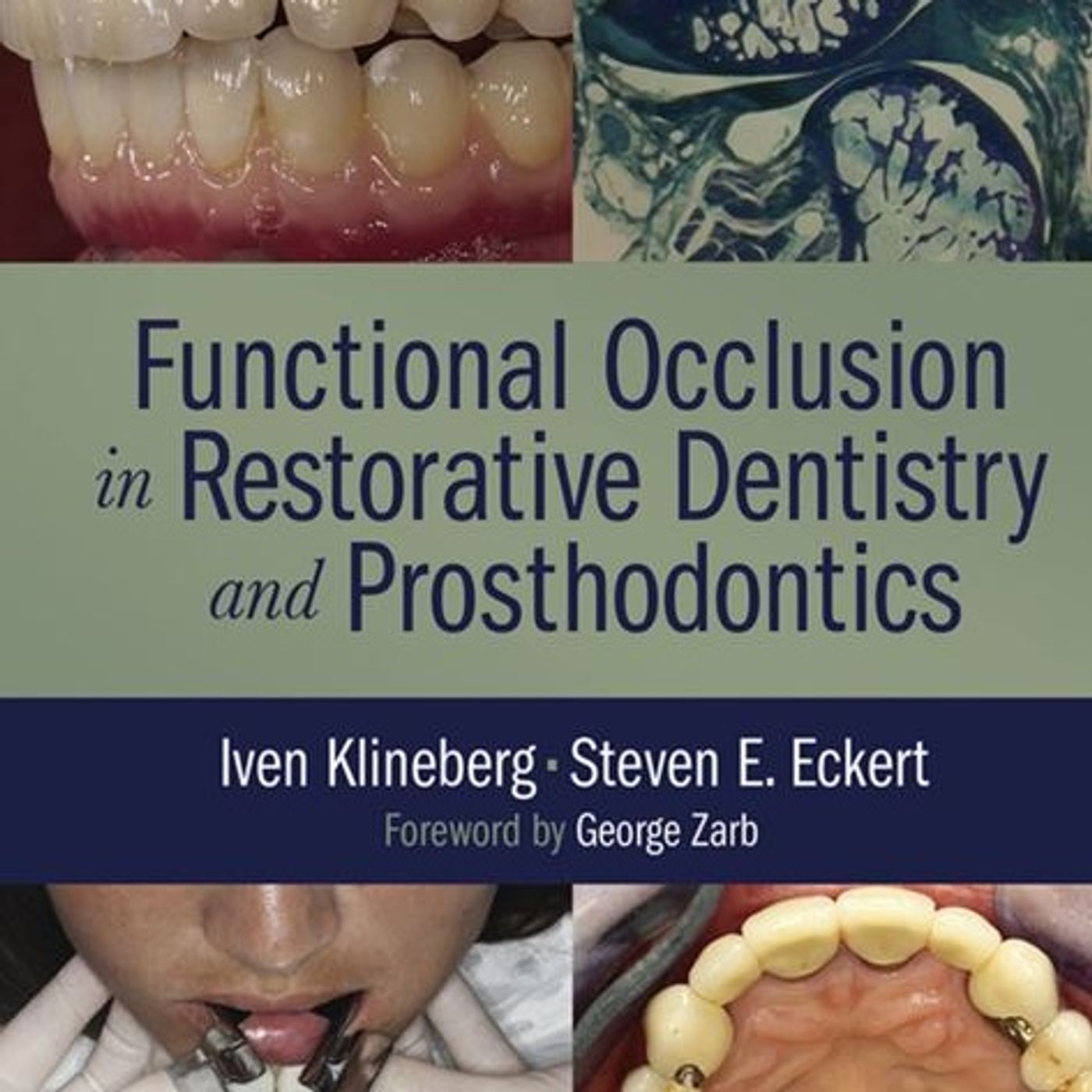
Functional Occlusion in Restorative Dentistry and Prosthodontics
from Dentistry Made Simple · host Dentistry Made Simple
A detailed academic overview of the multifaceted concept of dental occlusion and its relationship to the broader masticatory system. The text extensively covers the biological and neurological framework of functional occlusion, examining peripheral sensory mechanisms like periodontal mechanoreceptors and central nervous system components such as neuroplasticity in the sensorimotor cortex, particularly as they relate to adaptation and pain. Significant attention is given to the temporomandibular joint (TMJ), discussing its complex anatomy, movement patterns, and common disorders like disk displacement and osteoarthritis, while challenging the historical assumption of a strong link between occlusal variables and TMJ disorders. Furthermore, the sources discuss clinical management techniques, including the use of articulators, occlusal adjustments, and prosthodontic rehabilitation for both natural teeth and dental implants, emphasizing that mechanical factors and load management are critical for implant success due to the lack of a protective periodontal ligament.You can listen and download our episodes for free on more than 10 different platforms:https://linktr.ee/dentistry_made_simpleProduced by:https://www.podcaistudio.com/
Embed this episode
NOW PLAYING
Functional Occlusion in Restorative Dentistry and Prosthodontics
No transcript for this episode yet
Similar Episodes
No similar episodes found.
Similar Podcasts
No similar podcasts found.