
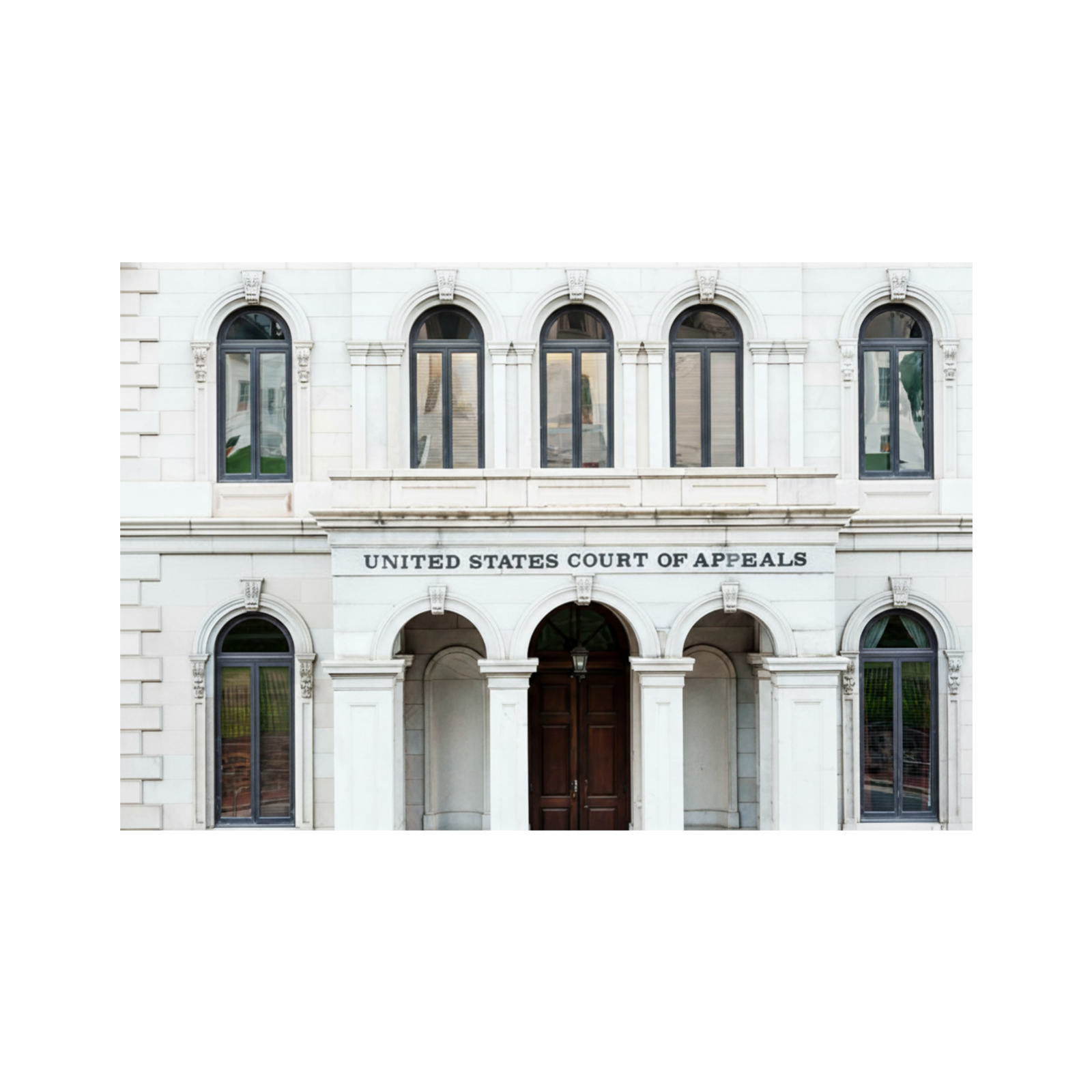
EPISODE · Feb 14, 2026 · 24 MIN
Gary Betts v. Boone County, Illinois: Date Argued: February 13th, 2026; Docket Number: 25-1685
from Oral Arguments from the U.S. Court of Appeals
Case Summary:In the case of Gary Betts v. Boone County, Illinois (Docket No. 25-1685), argued before the U.S. Court of Appeals for the Seventh Circuit on February 13, 2026, the relevant facts are as follows:The litigation stems from the 1977 murder of Louise Betts, whose remains were believed by her family to have been handled and buried intact by the then-Boone County Coroner, Wesley Hyland.In November 2022, forty-four years after the burial, the Boone County Coroner’s Office revealed that the late Coroner Hyland had secretly and illegally retained Louise Betts' skull, along with the remains of other individuals, in his private possession.Upon learning of this discovery, the plaintiffs, Gary and Earl Betts, were forced to disinter their sister's remains to reunite them with the recovered skull and provide her with a complete and proper burial.The plaintiffs filed a federal civil rights lawsuit under 42 U.S.C. § 1983 against Boone County and the current Coroner, alleging that the unauthorized retention of the remains constituted an unconstitutional deprivation of property without due process under the Fourteenth Amendment.A primary factual and legal issue at the trial level was whether Illinois law recognizes a "property interest" in a dead body sufficient to trigger federal constitutional protections.The district court initially found that while Illinois law treats a dead body as "quasi-property" for the purpose of burial rights, the plaintiffs had standing to sue because the injury—the interference with their right to possess the remains—accrued only upon the discovery of the coroner's secret misconduct.In March 2025, however, the district court dismissed the case with prejudice, concluding that the plaintiffs failed to establish Monell liability because the late coroner’s secret, illegal actions did not constitute an "official policy or widespread custom" of Boone County.The court reasoned that because Hyland’s actions were hidden and would have resulted in his immediate removal if known, his conduct was a "departure from policy" rather than an implementation of one.The current appeal, docketed as 25-1685, challenges this dismissal, with the plaintiffs arguing that as the elected Coroner, Hyland was the final policymaker for the county regarding the disposition of human remains, making his actions attributable to the municipality.During the oral arguments on February 13, 2026, the Seventh Circuit panel focused on whether a single official's "discretionary decision" to break the law can ever establish municipal liability if that official is the highest-ranking authority in their specific department.
Embed this episode
Ready to play
Gary Betts v. Boone County, Illinois: Date Argued: February 13th, 2026; Docket Number: 25-1685
No transcript for this episode yet
Similar Episodes
No similar episodes found.
Similar Podcasts
No similar podcasts found.