
EPISODE · May 18, 2026 · 6 MIN
Generated Episode Idea
from VA Claims Authority
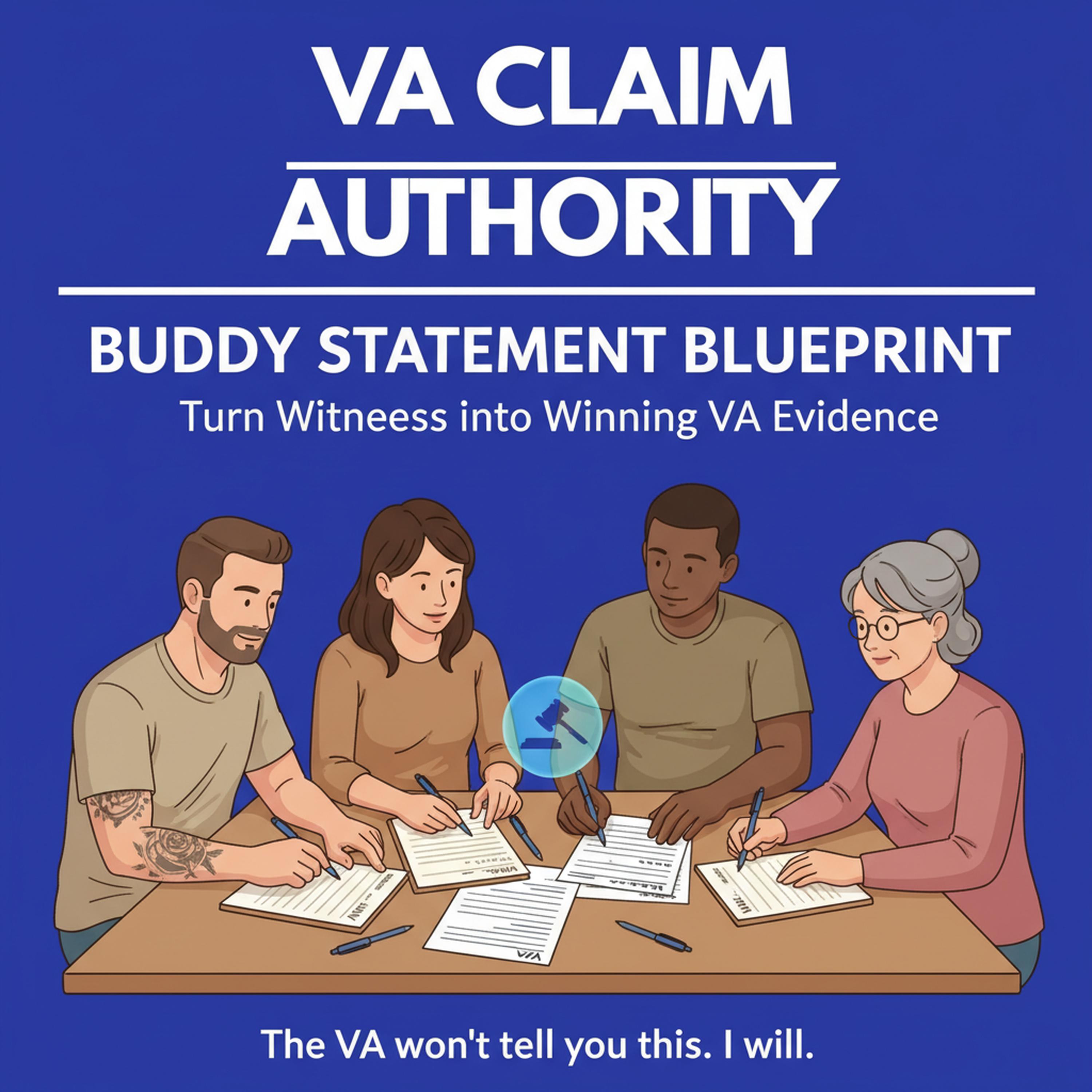
{"title":"Buddy Statement Blueprint: Turn Witnesses into Winning VA Evidence","one_liner":"How to collect, structure, and submit buddy statements that actually move the VA needle — step‑by‑step, kitchen‑table style.","description":"Buddy statements are one of the most underused pieces of VA evidence — and when done right they win claims. In this episode Gary walks you through exactly what a persuasive buddy statement looks like, who should write one, how to collect corroborating details, and how to avoid common traps that make the VA toss them aside. You’ll get plain‑language examples, the exact facts to include (dates, locations, observable behaviors), and instructions for attaching statements to claims, appeals, or Supplemental Statements of Support. This is practical, doable guidance: by the end you’ll know how to turn friends, family, and fellow service members into credible, VA‑acceptable witnesses without legalese or guesswork.","why_now":"This is a timeless, practical skill: the VA has always considered lay testimony valuable when it’s specific, consistent, and properly documented. Learning how to elicit and format buddy statements doesn’t rely on current policy shifts — it’s evergreen evidence strategy.","target_audience":"Veterans filing or appealing VA disability claims who need clear, practical tactics to build lay evidence and strengthen service connection or increased rating claims.","episode_type":"monologue","estimated_runtime_s":600,"outline":["00:00-00:30 — Hook: Bold opener about how a properly written buddy statement has overturned denials — immediate attention grabber and brief promise.","00:30-01:00 — Promise: What you'll learn in 10 minutes — who should write them, exact wording that helps, and one thing to file today.","01:00-02:30 — What is a Buddy Statement: Define lay testimony, contrast with medical evidence, and explain when the VA finds it persuasive.","02:30-04:30 — Anatomy of a Winning Statement: Step‑by‑step checklist — identity, relationship to veteran, first‑hand observations, dates, frequency, and impact on daily life. Provide two short, plain examples (one for physical injury, one for mental health) and explain why each element matters.","04:30-06:30 — Who to Ask and How to Ask Them: Prioritize witnesses (service members, supervisors, family, medical staff), how to prepare them, and tips to avoid hearsay, leading language, and vague claims.","06:30-07:30 — Action Step: Download the two‑page buddy statement template from the site, get one witness to sign and date it, and attach it to your current claim or submit as new evidence with VA Form 21-4138 if needed.","07:30-09:00 — Common Pitfalls & Fixes: Discuss problems that sink statements (conflicting dates, unsigned forms, hearsay) and quick fixes — follow‑up affidavit, corroborating records, notarization when useful.","09:00-10:00 — Close / CTA: Invite listeners to visit the site for the template and sample language, ask for reviews, offer Gary’s case review service link, and signature sign‑off.","tags":["buddy-statement","evidence-building","claims-101"],"duplication_check":{"nearest_match_title":"Proving Flare‑Ups: Documenting Intermittent Symptoms the VA Can’t See","similarity_score":0.42,"decision":"distinct"},"risks":["Witness statements can be inconsistent or legally weak if they contain hearsay or vague claims."],"mitigations":["Provide a clear two‑page template and sample language; instruct listeners to have witnesses date and sign statements, stick to first‑hand observations, and corroborate with records or photos when possible."]}
Embed this episode
NOW PLAYING
Generated Episode Idea
No transcript for this episode yet
Similar Episodes
No similar episodes found.
Similar Podcasts
No similar podcasts found.