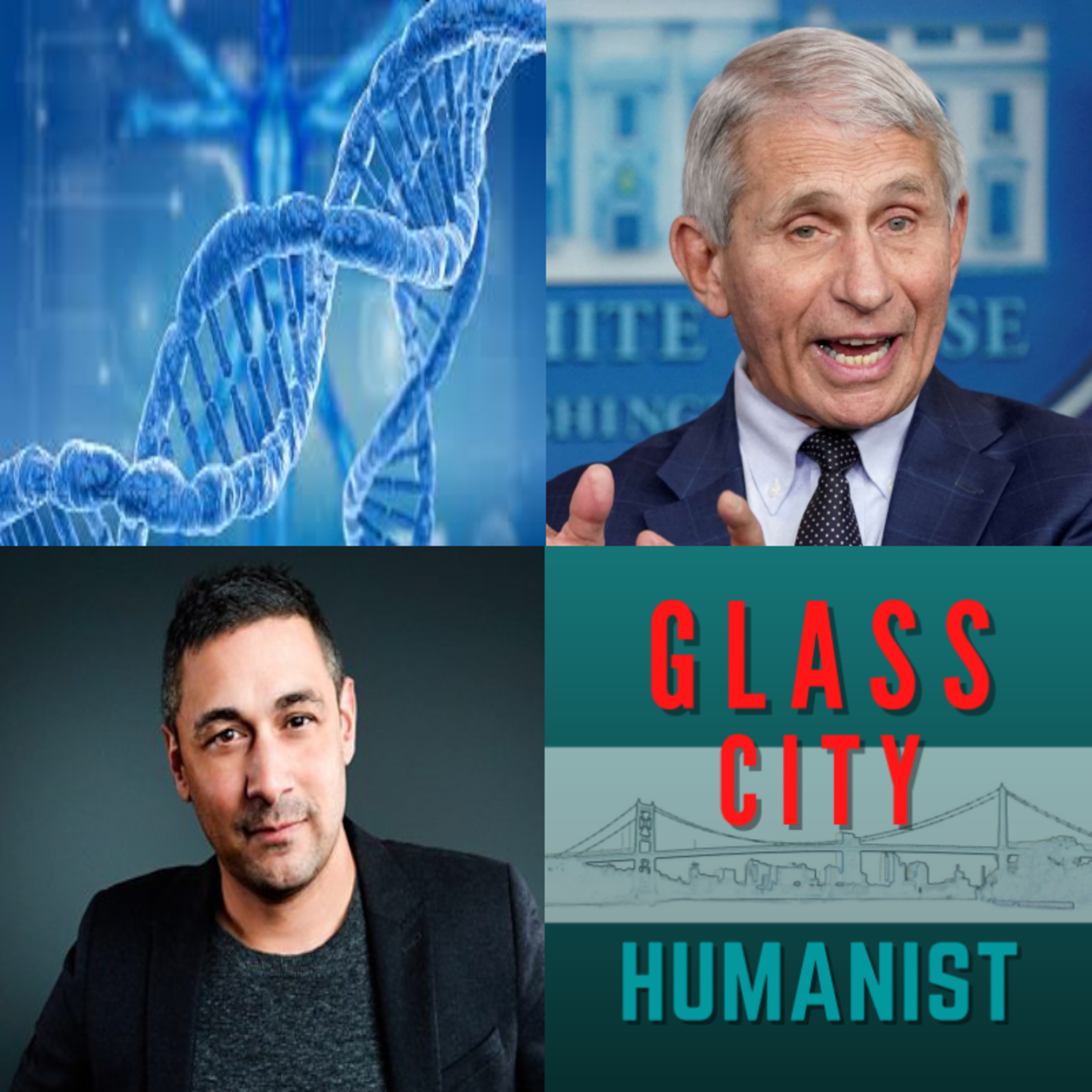
Genetics and Society: Learning from History, Shaping the Future episode artwork

EPISODE · Jun 20, 2024 · 50 MIN

Genetics and Society: Learning from History, Shaping the Future

from Glass City Humanist · host Douglas Berger - Humanist Advocate

We discuss the impact of genetics on society, touching on both the positive and dark aspects of the field. We reflect on the work of Dr. Anthony Fauci in combating infectious diseases like HIV-AIDS, Ebola, Zika, and COVID-19. Dr. Fauci's dedication to saving lives and his experiences with various administrations are highlighted, along with the unfortunate security threats he faces due to political tensions. Then we delve into the history of eugenics, citing examples of how genetics was misused to justify atrocities such as sterilizations and discriminatory practices. We share insights from a lecture by Dr. Adam Rutherford on the dark history of genetics, emphasizing the shift from simplistic Mendelian inheritance patterns to the complex interplay of multiple genes and environmental factors in shaping traits. He critiques the perpetuation of outdated monogenic deterministic thinking in education and media, leading to racial essentialism and misunderstanding of genetic concepts. Rutherford challenges the inaccurate portrayal of genetics in popular culture, debunking sensationalized claims about genes determining complex human behaviors and characteristics. The discussion extends to the distorted application of genetics in eugenics, with examples from Nazi Germany where pseudo-scientific racial hygiene policies led to widespread atrocities. The fraudulent foundation of eugenics, propagated by influential figures like Charles Davenport, is exposed, showcasing how flawed interpretations of genetics can have catastrophic consequences. Rutherford emphasizes the importance of revising genetic education to align with current scientific understanding and avoid reinforcing harmful ideologies rooted in eugenic thinking. By shedding light on the intersection of genetics, eugenics, and societal beliefs, we encourage critical thinking and a nuanced approach to genetic concepts to prevent the reemergence of harmful practices. Through historical analysis and modern perspectives, we underscore the impact of accurate genetic education in shaping informed discussions and ethical considerations surrounding genetic research and applications. This is our 80th episode - thanks for listening all this time. Full Show Notes Subscribe to our free newsletter Check out our merch

We discuss the impact of genetics on society, touching on both the positive and dark aspects of the field. We reflect on the work of Dr. Anthony Fauci in combating infectious diseases like HIV-AIDS, Ebola, Zika, and COVID-19. Dr. Fauci's dedication to saving lives and his experiences with various administrations are highlighted, along with the unfortunate security threats he faces due to political tensions. Then we delve into the history of eugenics, citing examples of how genetics was misused to justify atrocities such as sterilizations and discriminatory practices. We share insights from a lecture by Dr. Adam Rutherford on the dark history of genetics, emphasizing the shift from simplistic Mendelian inheritance patterns to the complex interplay of multiple genes and environmental factors in shaping traits. He critiques the perpetuation of outdated monogenic deterministic thinking in education and media, leading to racial essentialism and misunderstanding of genetic concepts. Rutherford challenges the inaccurate portrayal of genetics in popular culture, debunking sensationalized claims about genes determining complex human behaviors and characteristics. The discussion extends to the distorted application of genetics in eugenics, with examples from Nazi Germany where pseudo-scientific racial hygiene policies led to widespread atrocities. The fraudulent foundation of eugenics, propagated by influential figures like Charles Davenport, is exposed, showcasing how flawed interpretations of genetics can have catastrophic consequences. Rutherford emphasizes the importance of revising genetic education to align with current scientific understanding and avoid reinforcing harmful ideologies rooted in eugenic thinking. By shedding light on the intersection of genetics, eugenics, and societal beliefs, we encourage critical thinking and a nuanced approach to genetic concepts to prevent the reemergence of harmful practices. Through historical analysis and modern perspectives, we underscore the impact of accurate genetic education in shaping informed discussions and ethical considerations surrounding genetic research and applications. This is our 80th episode - thanks for listening all this time. Full Show Notes Subscribe to our free newsletter Check out our merch

NOW PLAYING

Genetics and Society: Learning from History, Shaping the Future

0:00 50:33

No transcript for this episode yet

We transcribe on demand. Request one and we'll notify you when it's ready — usually under 10 minutes.

Frequently Asked Questions

How long is this episode of Glass City Humanist?

This episode is 50 minutes long.

When was this Glass City Humanist episode published?

This episode was published on June 20, 2024.

What is this episode about?

We discuss the impact of genetics on society, touching on both the positive and dark aspects of the field. We reflect on the work of Dr. Anthony Fauci in combating infectious diseases like HIV-AIDS, Ebola, Zika, and COVID-19. Dr. Fauci's dedication...

Can I download this Glass City Humanist episode?

Yes, you can download this episode by clicking the download button on the episode player, or subscribe to the podcast in your preferred podcast app for automatic downloads.
URL copied to clipboard!