Skip to content
GI episode artwork

EPISODE · Apr 8, 2011 · 6 MIN

GI

from DELADAP · host DELADAP

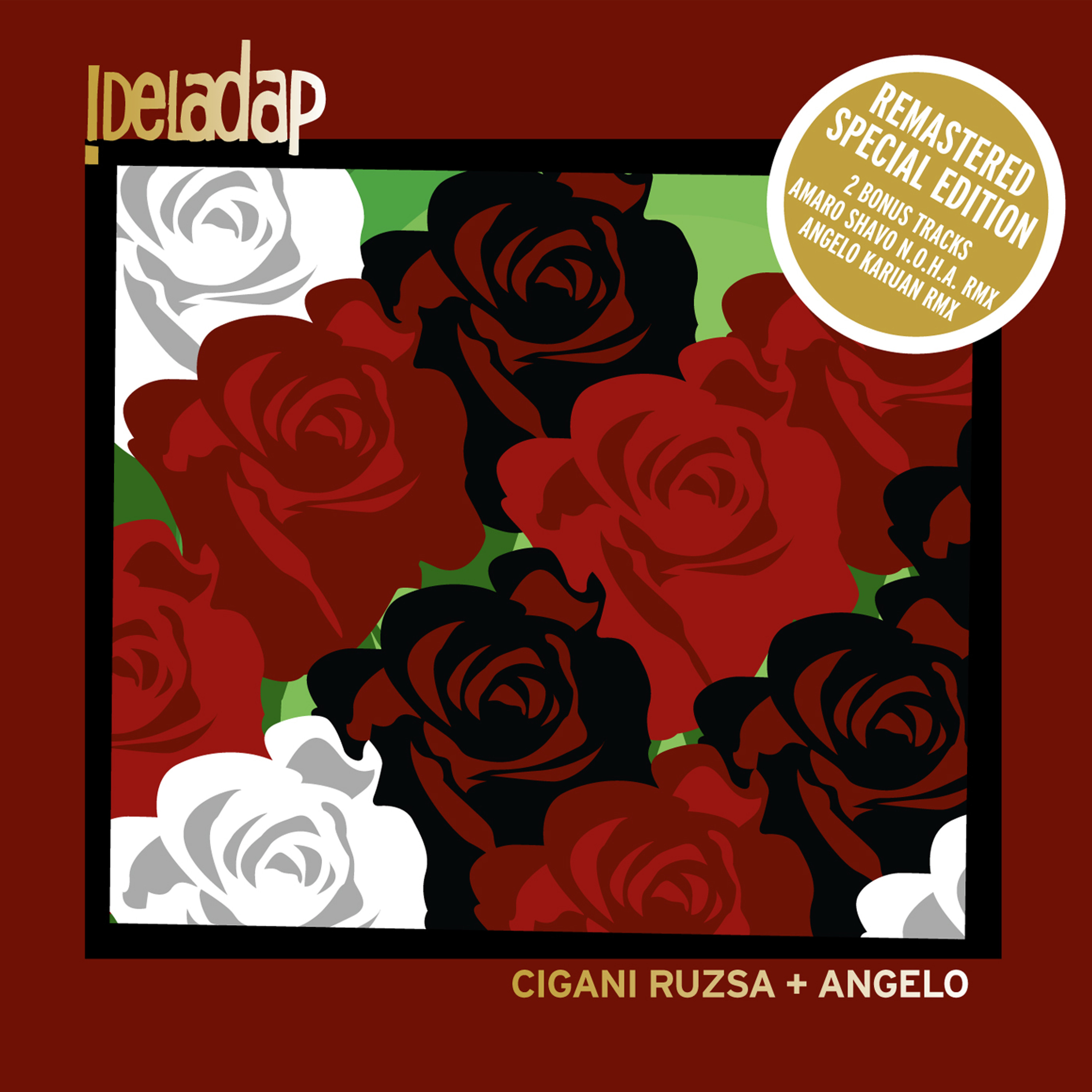
"how can gypsy music and modern club-sounds go together without losing their essence?" Stani Vana, Vienna based producer, dj and musician answered this question with !Dela Dap ´s first album “Cigani Rusza + Angelo“, released in 2004. To get there he undertook a two year plus musical journey ac companied by lots of actual travelling to capture the magic of his childhood. Vana was then deeply touched by the wor ld and music of three Roma families that lived in the neighborhood. A rich music full of melancholy, pain, beauty and s ensuality. Music that very likely always has been present during Vana´s own musical trip, that found him heavily involved i n the electronical sounds and beats that provided the soundtrack for a club-scene that imagined the dancefloor as some sort of urban utopia, where daily life and the distance between people were transcended. The desire to bring these wo rlds together laid the roots for the “Urban Gypsy Sound“, that !Dela Dap defined. The traditional Roma music and it´s i nstruments meet beats and electronic sounds, styles of music finally blended without losing their own identity and dig nity. Melinda Stoika added her fresh and unconventional phrasing of the lyrics, all sung in Romanese, reflecting her life´s experience as a Romni living in the urban centers of Budapest and Vienna. Tibor Barkoczy (piano, arrangements) kicked o pen the door to jazz and Pista brought in his Cimbal and viennese charms. The journey had reached it´s end! “Angelo“, “A maro Shavo“ or the masterly exercise in downtempo, “Me Kamav Tu“ got popular in the european club scene, starting in Hungary. Gypsy music was touched by remix- and club-culture for the first time which is a perfect reason to include t he remixes of “Amaro Shavo“ by N.O.H.A. and “Angelo“ by Karuan in this new edition of “Cigani Rusza + Angelo“. The tre asure that this music and Roma culture in general are began finding a new audience through !Dela Dap´s visionary and ori ginal sound.

Episode metadata supplied by the publisher feed · Published Apr 8, 2011

Embed this episode

Ready to play

GI

0:00 6:12

No transcript for this episode yet

We transcribe on demand. Request one and we'll notify you when it's ready — usually under 10 minutes.

No similar episodes found.

I Know What You Want DELADAP DeladapI Know What You WantHot on the heels of Deladap`s well recieved maxi-single „Gipsy Kicks“ comes „I Know What You Want“, the eagerly awaited fourth album by this Viennese sound-lab (and impressive live-force!) envisioned and put on the tracks by Dj and Producer Stani Vana back in 2004. Deladap was never – and will never be! – one of those acts that once establishes a successful musical formula and then runs with it, in the process endlessly repeating themselves. From the beginning of their quest to mix Roma music and contemporary club- and electronic sounds their music always and steadily evolved. Along the way Deladap were always broadening their artistic grip on both – traditional elements from a wide range of backgrounds as well as on the freshest exploits of urban-music and dance-culture. With Deladap there is always fresh-eared musical curiosity and constant exchange. Between the frenzy and the heated dance-fests of their live-work, where they celebrate the moment with Cigani Ruzsa Angelo (Remastered Special Edition) DELADAP "how can gypsy music and modern club-sounds go together without losing their essence?" Stani Vana, Vienna based producer, dj and musician answered this question with Deladap ´s first album “Cigani Rusza + Angelo“, released in 2004. To get there he undertook a two year plus musical journey ac companied by lots of actual travelling to capture the magic of his childhood. Vana was then deeply touched by the wor ld and music of three Roma families that lived in the neighborhood.A rich music full of melancholy, pain, beauty and s ensuality. Music that very likely always has been present during Vana´s own musical trip, that found him heavily involved i n the electronical sounds and beats that provided the soundtrack for a club-scene that imagined the dancefloor as some sort of urban utopia, where daily life and the distance between people were transcended. The desire to bring these wo rlds together laid the roots for the “Urban Gypsy Sound“, that !Dela Dap defined. The traditional Ro

Frequently Asked Questions

How long is this episode of DELADAP?

This episode is 6 minutes long.

When was this DELADAP episode published?

This episode was published on April 8, 2011.

Can I download this DELADAP episode?

Yes. Use the download control on the episode player to save the publisher-provided media file.
URL copied to clipboard!