
EPISODE · Sep 24, 2025 · 1H 7M
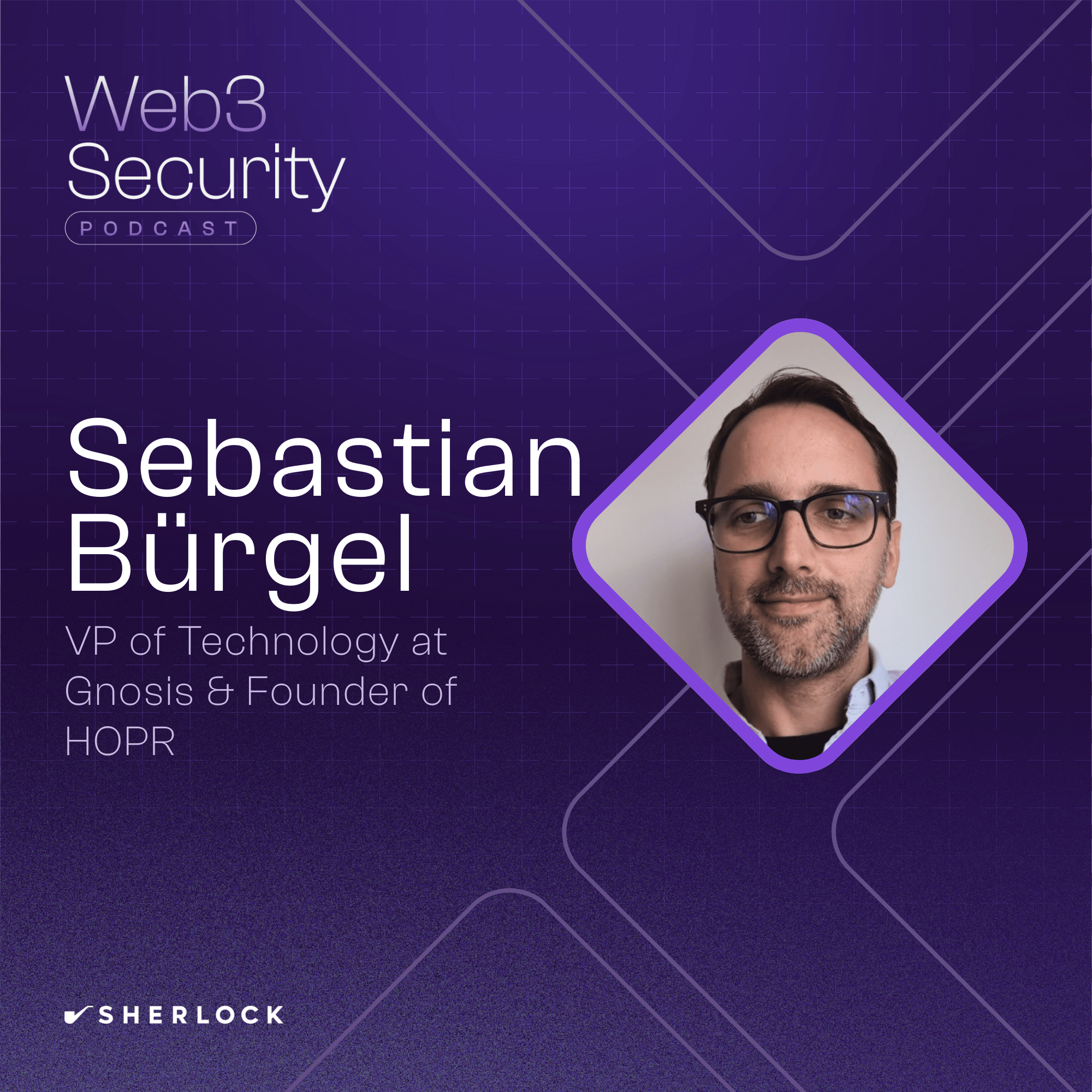
Gnosis validator sniping attacks: How to harvest MEV through IP mapping | Sebastian Bürgel
from The Web3 Security Podcast · host TheWeb3SecurityPodcast
Sebastian Bürgel's modified Lighthouse client can map any Ethereum validator's public key to their IP address by collecting attestation signatures and tracking their network origin points. Once mapped, attackers can launch precisely-timed DDoS attacks during that validator's block production slot, forcing them offline and redirecting their MEV opportunities to the next validator in sequence. This network-layer exploit operates entirely outside the smart contract security model that most teams focus on, yet threatens the economic assumptions underlying Ethereum's consensus mechanism. As VP of Technology at Gnosis and founder of HOPR's privacy infrastructure, Sebastian demonstrates how current validator security practices leave billions in staking rewards vulnerable to sophisticated attackers who understand beacon chain networking patterns. Topics discussed: Beacon chain attestation harvesting methodology for linking validator pubkeys to IP addresses Economic incentives for validator sniping attacks during high-value MEV block production windows Modified Lighthouse client architecture for systematic data collection across validator networks Network-layer security gaps that smart contract audits cannot identify or prevent Browser-native ENS resolution bypassing centralized DNS infrastructure for DApp frontends Multi-signature deployment verification preventing single-developer compromise of production applications Full-stack security evaluation expanding beyond smart contracts to deployment infrastructure Incentivized mixnet packet transformation architecture versus Tor's basic relay routing
Embed this episode
Ready to play
Gnosis validator sniping attacks: How to harvest MEV through IP mapping | Sebastian Bürgel
No transcript for this episode yet
Similar Episodes
No similar episodes found.
Similar Podcasts
No similar podcasts found.