
EPISODE · Sep 6, 2026 · 6 MIN
GOOD NEWS SUNDAY
from The Rest of the World Podcast · host Rudy Martinez and Rest of the World Report
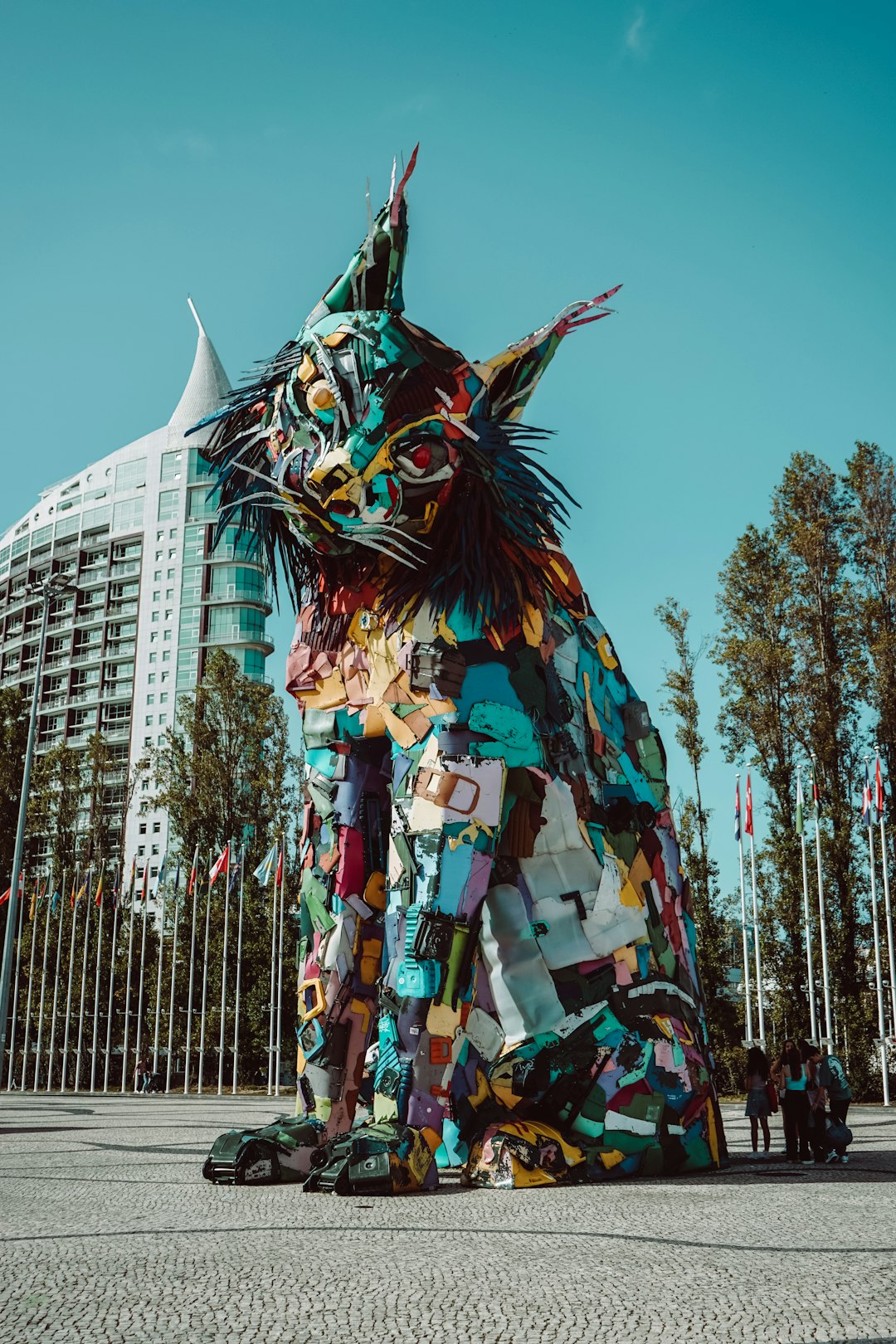
My favorite edition of the week! Good news! This week it showed up in a Nepali jungle, a Ugandan savanna, a Spanish scrubland, a Philadelphia hospital room, and the open Atlantic.NEPAL’S WILD TIGER POPULATION In 2009, Nepal counted 121 wild tigers left in the entire country. This July, its fifth national tiger census found 429. That’s not a modest recovery. It’s the fastest sustained big-cat comeback recorded almost anywhere in the world, built on roughly 5 percent growth every year for over a decade. The census team deployed more than 3,600 motion-triggered cameras across five protected areas. They identified individual tigers by their stripe patterns, the way you’d recognize a fingerprint. Officials credit habitat protection, prey recovery, and poaching crackdowns. They also credit something less flashy but just as important: sustained cross-border coordination with India, since tigers don’t recognize national boundaries any more than the deer they hunt do. Ghana Shyam Gurung of Nepal’s National Trust for Nature Conservation called it a “collective conservation achievement.” For a country with a GDP per capita around $1,400, it’s a genuinely remarkable one. Nepal set out in 2010 to double its tiger population within a decade. It didn’t just double it. It nearly quadrupled it.UGANDA’S RHINOS The last wild rhino in Uganda’s Kidepo Valley National Park was killed by poachers in 1983. That was during a civil war that wiped out the country’s entire rhino population. This March, two southern white rhinos walked out of transport crates and back into that same park for the first time in over four decades. Two more arrived within days. The rhinos came from Ziwa Rhino Sanctuary, a private breeding program that’s been quietly rebuilding Uganda’s rhino population since 2005. Its founding animals were sourced from Kenya and the United States. “This moment marks the beginning of a new rhino story for Kidepo Valley National Park,” said James Musinguzi, executive director of the Uganda Wildlife Authority. Eight rhinos total are being relocated to Kidepo. Plans call for still more from Kenya later this year, alongside a separate translocation already underway at Ajai Wildlife Reserve. Uganda’s total rhino population, once zero, now stands at 61 and climbing.BABY KJ'S GENE THERAPYDays after he was born in August 2024, a baby named KJ started showing signs of a rare and often fatal metabolic disorder. His body couldn’t clear ammonia from his blood, and it was building up toward his brain and liver. There was no approved treatment for his specific genetic variant. So a team at Children’s Hospital of Philadelphia and Penn Medicine built him one. Using CRISPR gene-editing technology, they designed a therapy targeted precisely at KJ’s own mutation, something that had never been done for an individual patient before. KJ received his first dose at six to seven months old. He’s now growing and thriving at home. Researchers describe the case, published in the New England Journal of Medicine, as proof that truly personalized genetic medicine is no longer science fiction. That means treatment designed for one specific patient’s one specific mutation. It’s a baby in Philadelphia who gets to have a normal childhood.THE IBERIAN LYNXIn 2002, the Iberian lynx was the most endangered cat species on the planet. It was down to fewer than 100 animals in two isolated pockets of Spain and Portugal. The IUCN called its recovery since then the greatest ever achieved for a wild cat through conservation. This summer’s census shows why: 2,663 lynx now roam the Iberian Peninsula, up 95 percent in just four years. The count includes 542 breeding females, who raised 952 cubs this year alone. The species has spread beyond its old strongholds into new territory, including sightings this year in areas it hadn’t occupied in decades. None of it happened by accident. Conservationists restored the Mediterranean scrubland the lynx depends on. They protected the European rabbit populations it hunts almost exclusively. They ran captive breeding and reintroduction programs for two decades straight, with help from private landowners who opened their property for the work. The lynx moved off the endangered list in 2024. It’s still vulnerable, but a species that was nearly a memory twenty years ago now has a population, and a future.NORTH ATLANTIC RIGHT WHALESNorth Atlantic right whales are among the rarest large whales on Earth, and this year they gave researchers real reason for hope. This calving season, 23 right whale calves were born in the shallow coastal waters off the southeastern United States, the highest number recorded since 2009. Throughout the season, researchers logged roughly 500 individual sightings of 129 different whales in the calving grounds. That’s a strong showing for a species whose population has struggled for years against ship strikes and fishing gear entanglements. Seeing this much of the population show up to give birth is itself a good sign. It suggests the whales are healthier and more capable of reproducing than they’ve been in a long time. That matters enormously for a species some researchers have worried could disappear within our lifetimes without exactly this kind of turnaround.Sources: English Nepalnews and phys.org via AFP (Nepal tiger census); Associated Press via AOL and Save the Rhino (Uganda rhino reintroduction); Children’s Hospital of Philadelphia and AAMC (CRISPR gene therapy); IUCN and Euro Weekly News (Iberian lynx census); NOAA Fisheries (North Atlantic right whale calving season)“Whenever the people are well informed, they can be trusted with their own government.” — Thomas Jefferson, 1789 Get full access to The Rest of the World Report at www.restoftheworldreport.com/subscribe
Embed this episode
Ready to play
GOOD NEWS SUNDAY
No transcript for this episode yet
Similar Episodes
No similar episodes found.
Similar Podcasts
No similar podcasts found.