
EPISODE · Feb 9, 2023 · 21 MIN
Grace and Obedience
from The Bible as Literature · host The Ephesus School
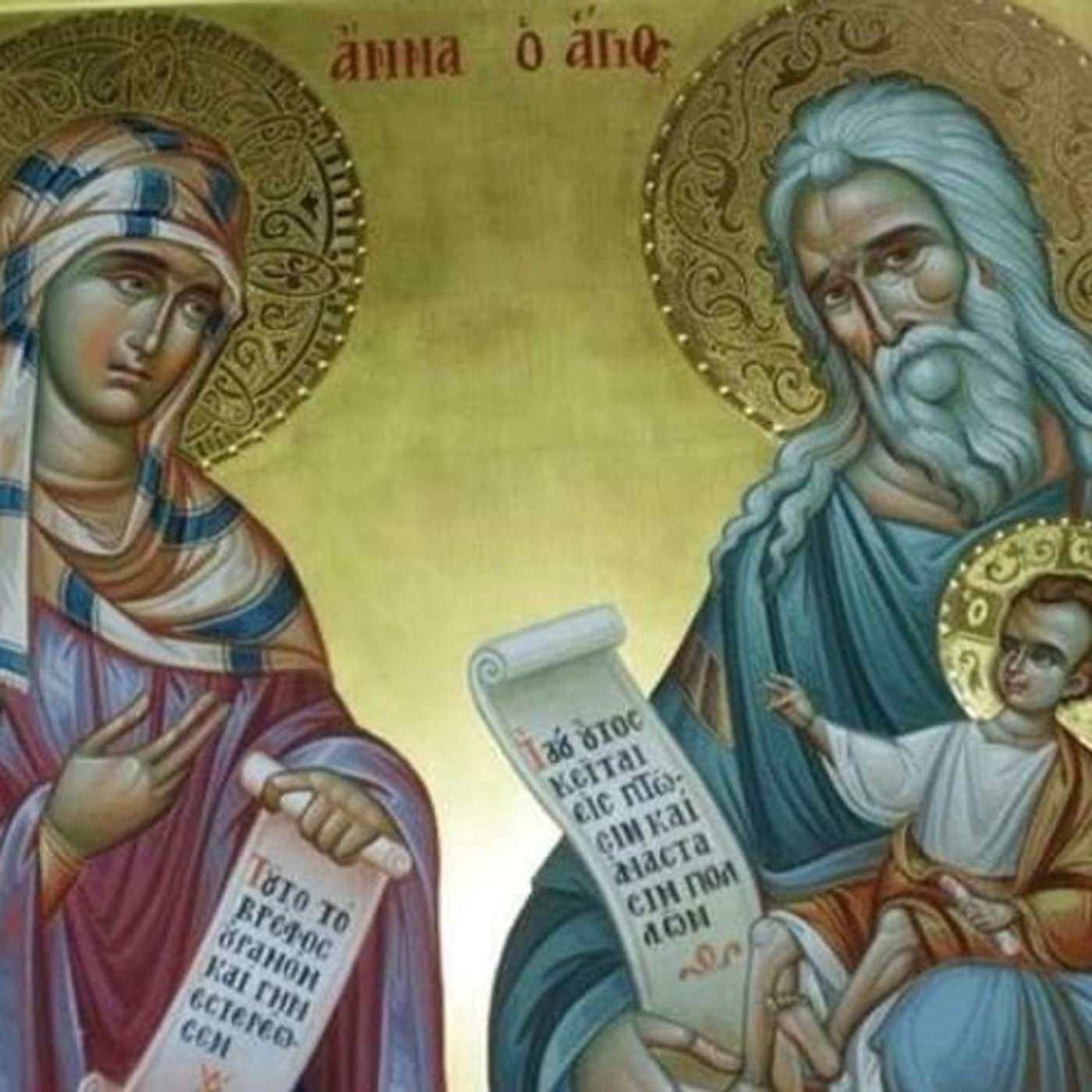
Western philosophy is obsessed with (dare I say, oppressed by) the illusion of choice. Let’s paraphrase a helpful example from Luis Elizondo to illustrate this point:Imagine you were given the power to build anything you want using your chosen materials. Your goal is to build something that can withstand the test of time, at least as long as the planet’s lifespan. Remember that the oldest structures we know of have only been around a few thousand years and are already fast decaying. In comparison, the earth is estimated to be older than 4.5 billion years. What could you possibly make, using what materials, that would not be overtaken by natural processes, which erode, erase, compress, and melt everything over and over again for millions, nay, billions of years? Natural processes will eventually destroy even the junk we put in orbit. Do we know what was ever built on this planet, save the few stone scraps we call historical ruins? In a few million years, will anyone even know that we were here? We imagine that we have a choice. To build. To prosper. To thrive. To grow. To live life as we see fit. However, life comes down, not to choice, but to Simeon, the one “who hears” and bears witness to the teaching, and Anna, the one filled with the “grace” of the teaching. Unlike the Temple of stone, or anything made by human hands, this teaching—the Law of the Lord—given to safeguard human life, cannot be destroyed by natural processes. The seed of this teaching, like the seed of life itself, continues from generation to generation. “Heaven and earth will pass away, but my words will not pass away.” (Matthew 24:35)Richard and I discuss the gospel of Luke2: 39-40. This week's episode is dedicated to the loving memory of Fr. Daniel Rentel and to all those who perished in the earthquake and Türkiye and Syria. May their memory be eternal. ★ Support this podcast on Patreon ★
What this episode covers
Western philosophy is obsessed with (dare I say, oppressed by) the illusion of choice. Let’s paraphrase a helpful example from Luis Elizondo to illustrate this point:Imagine you were given the power to build anything you want using your chosen materials. Your goal is to build something that can withstand the test of time, at least as long as the planet’s lifespan. Remember that the oldest structures we know of have only been around a few thousand years and are already fast decaying. In comparison, the earth is estimated to be older than 4.5 billion years. What could you possibly make, using what materials, that would not be overtaken by natural processes, which erode, erase, compress, and melt everything over and over again for millions, nay, billions of years? Natural processes will eventually destroy even the junk we put in orbit. Do we know what was ever built on this planet, save the few stone scraps we call historical ruins? In a few million years, will anyone even know that we were here? We imagine that we have a choice. To build. To prosper. To thrive. To grow. To live life as we see fit. However, life comes down, not to choice, but to Simeon, the one “who hears” and bears witness to the teaching, and Anna, the one filled with the “grace” of the teaching. Unlike the Temple of stone, or anything made by human hands, this teaching—the Law of the Lord—given to safeguard human life, cannot be destroyed by natural processes. The seed of this teaching, like the seed of life itself, continues from generation to generation. “Heaven and earth will pass away, but my words will not pass away.” (Matthew 24:35)Richard and I discuss the gospel of Luke2: 39-40. This week's episode is dedicated to the loving memory of Fr. Daniel Rentel and to all those who perished in the earthquake and Türkiye and Syria. May their memory be eternal. ★ Support this podcast on Patreon ★
NOW PLAYING
Grace and Obedience
No transcript for this episode yet
Similar Episodes
Mar 26, 2026 ·1m
Mar 19, 2026 ·34m
Feb 18, 2026 ·11m
Feb 11, 2026 ·45m