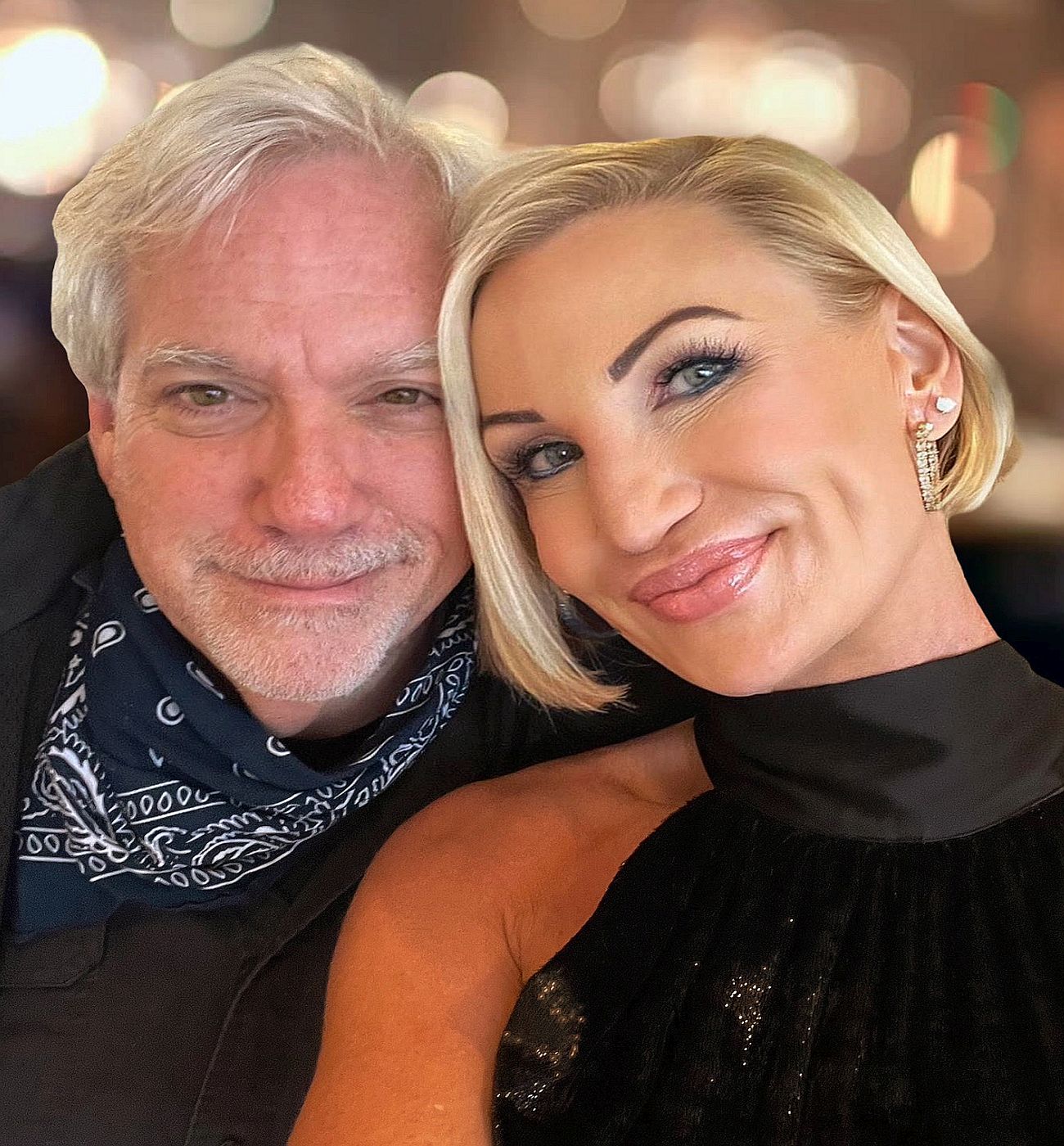
Hacking the Afterlife with Jennifer Shaffer, Luana Anders, Robert Towne and William Shakespeare episode artwork

EPISODE · Sep 6, 2024 · 31 MIN

Hacking the Afterlife with Jennifer Shaffer, Luana Anders, Robert Towne and William Shakespeare

from Hacking The Afterlife podcast · host richardmartini

Another mind bending podcast. In this case as usual, Jennifer and I had no idea whom Luana Anders, our moderator on the flipside would bring to the conversation. In this case it was my old boss Robert Towne, the screenwriter who passed away recently. He brought up the topic of "DreamBombing" a person's dream.  Jennifer said the term, then later I asked him if he coined it or she did - and he took credit for it. The idea is that they can "slip into" a dream we're having and just say hello.  We may be disconcerted, we may not be aware of it - I have no conscious idea that I saw Robert recently, but it is accurate that an hour ago I got an email from his daughter, and it is accurate that I've had dreams in the past where I'm suddenly hearing Robert's comments or voice. He was a unique voice in life and as a writer.  Previously we'd asked him who he may have rubbed elbows with since crossing over and he mentioned both Charles Dickens and William Shakespeare. I asked Will an innocuous question - I know that Jennifer doesn't remember the questions we've asked people before, and when I ask a vague question like "Was the last time we spoke an accurate description of events?" I know that Jennifer is capable of saying "No."  Or "Not so much." In this instance he replied "More than I imagined it would be." And in that instance I asked him a multitude of questions about his life, his family, the stories about his work, the rewriting done by actors onstage, the genesis of his ideas, as well as remarking how he'd written Romeo and Juliet during the pandemic. He said "A lot of great work comes out of pandemics." Unusual comment to make, and in his case; absolutely accurate. Robert said he'd just come by to mention the dream bombing - and then Luana said she wanted to emphasize the idea of how people should think in terms of doing this kind of work - accessing people offstage. She said 1. You have to believe it.  That echoes what her friend Harry Dean Stanton had said, that to "allow for the possibility that life goes on is key" in terms of getting any information. So it's not that one has to believe in religion, or believe in tooth fairies, or believe in pyramid hats, but to believe that it's possible that one's loved ones still exist - that's key to them being able to communicate. Because if you don't believe you can communicate; you won't. Second part is to 2 open yourself up to the possibility of communication. That means don't focus on sound, image, answers - focus on the question one is asking and allowing them to find a way to answer it. Could be a coincidence, could be music, could be a specific answer, could be that one turns on the radio hears the answer, opens a book reads the answer, or somehow is made aware of the answer in some method. They communicate in the best way they know how, and that might be the best way they think we can comprehend what they're saying.  So this podcast is more about process, and a visit from two great writers. Click subscribe on our podcast Hacking the Afterlife on YouTube (MartiniZone.com)  to enjoy more videos and perks from our podcast Hacking the Afterlife.   To book a session with Jennifer: JenniferShaffer.com - to book a guided meditation with Rich; RichardMartini.com Thanks!

Another mind bending podcast. In this case as usual, Jennifer and I had no idea whom Luana Anders, our moderator on the flipside would bring to the conversation. In this case it was my old boss Robert Towne, the screenwriter who passed away recently. He brought up the topic of "DreamBombing" a person's dream.  Jennifer said the term, then later I asked him if he coined it or she did - and he took credit for it. The idea is that they can "slip into" a dream we're having and just say hello.  We may be disconcerted, we may not be aware of it - I have no conscious idea that I saw Robert recently, but it is accurate that an hour ago I got an email from his daughter, and it is accurate that I've had dreams in the past where I'm suddenly hearing Robert's comments or voice. He was a unique voice in life and as a writer.  Previously we'd asked him who he may have rubbed elbows with since crossing over and he mentioned both Charles Dickens and William Shakespeare. I asked Will an innocuous question - I know that Jennifer doesn't remember the questions we've asked people before, and when I ask a vague question like "Was the last time we spoke an accurate description of events?" I know that Jennifer is capable of saying "No."  Or "Not so much." In this instance he replied "More than I imagined it would be." And in that instance I asked him a multitude of questions about his life, his family, the stories about his work, the rewriting done by actors onstage, the genesis of his ideas, as well as remarking how he'd written Romeo and Juliet during the pandemic. He said "A lot of great work comes out of pandemics." Unusual comment to make, and in his case; absolutely accurate. Robert said he'd just come by to mention the dream bombing - and then Luana said she wanted to emphasize the idea of how people should think in terms of doing this kind of work - accessing people offstage. She said 1. You have to believe it.  That echoes what her friend Harry Dean Stanton had said, that to "allow for the possibility that life goes on is key" in terms of getting any information. So it's not that one has to believe in religion, or believe in tooth fairies, or believe in pyramid hats, but to believe that it's possible that one's loved ones still exist - that's key to them being able to communicate. Because if you don't believe you can communicate; you won't. Second part is to 2 open yourself up to the possibility of communication. That means don't focus on sound, image, answers - focus on the question one is asking and allowing them to find a way to answer it. Could be a coincidence, could be music, could be a specific answer, could be that one turns on the radio hears the answer, opens a book reads the answer, or somehow is made aware of the answer in some method. They communicate in the best way they know how, and that might be the best way they think we can comprehend what they're saying.  So this podcast is more about process, and a visit from two great writers. Click subscribe on our podcast Hacking the Afterlife on YouTube (MartiniZone.com)  to enjoy more videos and perks from our podcast Hacking the Afterlife.   To book a session with Jennifer: JenniferShaffer.com - to book a guided meditation with Rich; RichardMartini.com Thanks!

NOW PLAYING

Hacking the Afterlife with Jennifer Shaffer, Luana Anders, Robert Towne and William Shakespeare

0:00 31:22

No transcript for this episode yet

We transcribe on demand. Request one and we'll notify you when it's ready — usually under 10 minutes.

Frequently Asked Questions

How long is this episode of Hacking The Afterlife podcast?

This episode is 31 minutes long.

When was this Hacking The Afterlife podcast episode published?

This episode was published on September 6, 2024.

What is this episode about?

Another mind bending podcast. In this case as usual, Jennifer and I had no idea whom Luana Anders, our moderator on the flipside would bring to the conversation. In this case it was my old boss Robert Towne, the screenwriter who passed away...

Can I download this Hacking The Afterlife podcast episode?

Yes, you can download this episode by clicking the download button on the episode player, or subscribe to the podcast in your preferred podcast app for automatic downloads.
URL copied to clipboard!