
EPISODE · Jun 10, 2024 · 12 MIN
Hajj- An In-Depth Exploration
from Hajj: An In-Depth Exploration · host Inception Point AI
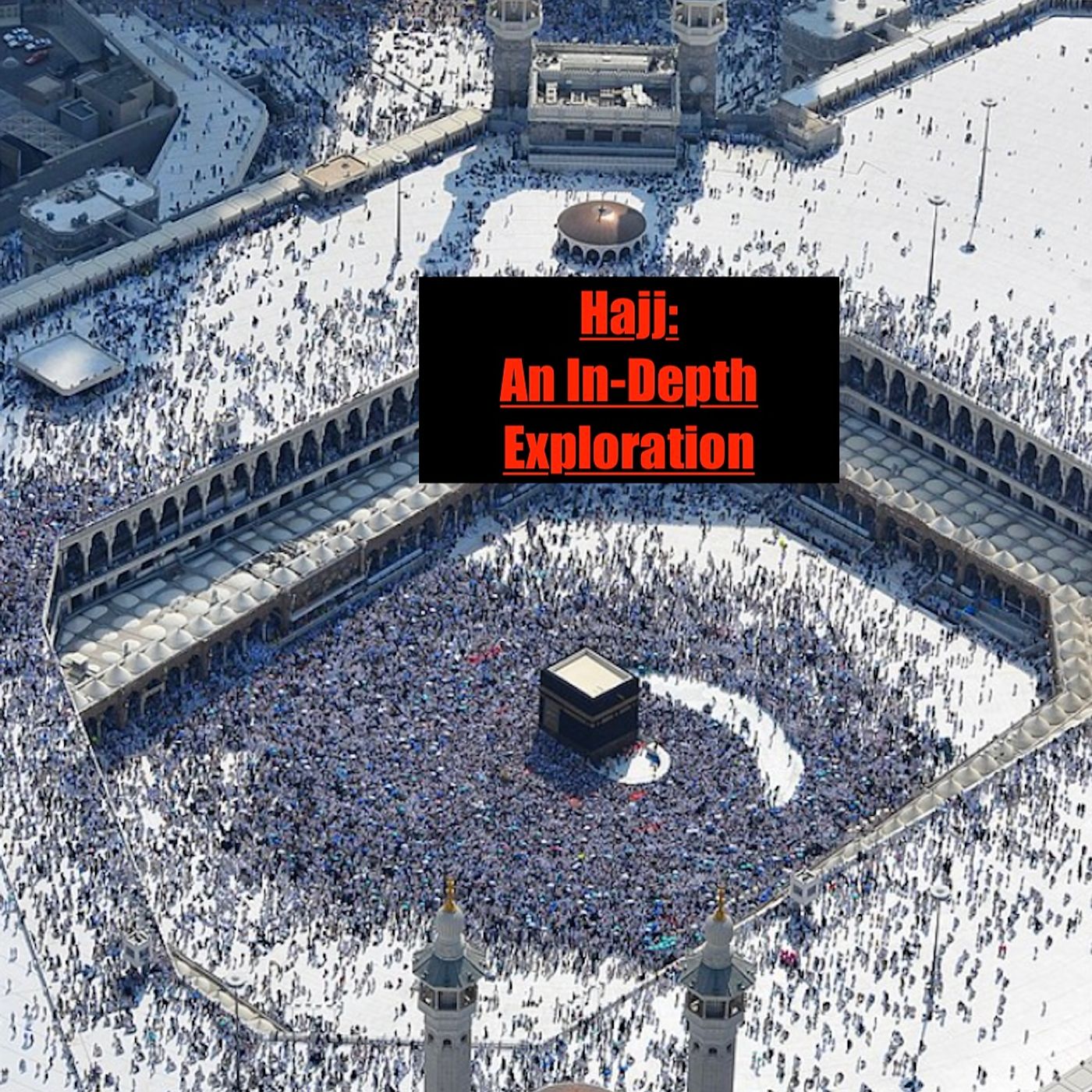
Hajj, the annual Islamic pilgrimage to Mecca, Saudi Arabia, is a profound journey of faith that holds immense significance for Muslims worldwide. As one of the Five Pillars of Islam, along with the declaration of faith (Shahada), prayer (Salat), almsgiving (Zakat), and fasting during Ramadan (Sawm), Hajj is a religious duty that every able-bodied and financially capable Muslim must undertake at least once in their lifetime. This pilgrimage is not only a physical journey but also a spiritual quest that embodies the essence of Islamic teachings, unity, and submission to Allah. The origins of Hajj can be traced back to the pre-Islamic era, with Arab tribes performing annual pilgrimages to Mecca. However, the rituals and significance of Hajj as we know them today were established during the time of the Prophet Muhammad in the 7th century. According to Islamic tradition, the Prophet Abraham (Ibrahim in Arabic) was commanded by Allah to leave his wife Hajar and his son Ishmael in the desert of Mecca. In search of water, Hajar ran seven times between the hills of Safa and Marwah, a ritual that is now commemorated by pilgrims during Hajj. When she returned in despair, she found that a spring, known as the Zamzam Well, had miraculously appeared where her son lay. The Prophet Muhammad's role in refining the Hajj rituals cannot be overstated. He incorporated pre-Islamic practices, such as the veneration of the Kaaba, into the Islamic framework while purifying them of idolatrous elements. The Prophet's final sermon during his last Hajj, known as the Farewell Pilgrimage, emphasized the principles of equality, unity, and righteousness that continue to guide Muslims to this day. Before embarking on the Hajj pilgrimage, Muslims must ensure that they are spiritually, physically, and financially prepared. Pilgrims are encouraged to seek forgiveness for their sins, resolve conflicts, and make amends with others. They should also engage in regular prayer, recitation of the Quran, and acts of charity to strengthen their spiritual connection with Allah. Physical preparation involves maintaining a healthy lifestyle, as the Hajj rituals can be physically demanding. Pilgrims are advised to engage in regular exercise, eat a balanced diet, and consult with their healthcare providers to ensure they are fit for travel. Financial planning is equally important, as pilgrims must cover the costs of transportation, accommodation, and other expenses associated with the journey. Many Muslims save for years or even decades to fulfill this sacred obligation. Some pilgrims choose to perform Umrah, a smaller pilgrimage that can be undertaken at any time of the year, as a precursor to Hajj. Umrah involves fewer rituals and can help pilgrims familiarize themselves with the holy sites and practices before the main pilgrimage. Hajj takes place from the 8th to the 12th (or 13th) of Dhu al-Hijjah, the last month of the Islamic lunar calendar. The pilgrimage consists of several key ritu This content was created in partnership and with the help of Artificial Intelligence AI.
What this episode covers
Hajj, the annual Islamic pilgrimage to Mecca, Saudi Arabia, is a profound journey of faith that holds immense significance for Muslims worldwide. As one of the Five Pillars of Islam, along with the declaration of faith (Shahada), prayer (Salat), almsgiving (Zakat), and fasting during Ramadan (Sawm), Hajj is a religious duty that every able-bodied and financially capable Muslim must undertake at least once in their lifetime. This pilgrimage is not only a physical journey but also a spiritual quest that embodies the essence of Islamic teachings, unity, and submission to Allah. The origins of Hajj can be traced back to the pre-Islamic era, with Arab tribes performing annual pilgrimages to Mecca. However, the rituals and significance of Hajj as we know them today were established during the time of the Prophet Muhammad in the 7th century. According to Islamic tradition, the Prophet Abraham (Ibrahim in Arabic) was commanded by Allah to leave his wife Hajar and his son Ishmael in the desert of Mecca. In search of water, Hajar ran seven times between the hills of Safa and Marwah, a ritual that is now commemorated by pilgrims during Hajj. When she returned in despair, she found that a spring, known as the Zamzam Well, had miraculously appeared where her son lay. The Prophet Muhammad's role in refining the Hajj rituals cannot be overstated. He incorporated pre-Islamic practices, such as the veneration of the Kaaba, into the Islamic framework while purifying them of idolatrous elements. The Prophet's final sermon during his last Hajj, known as the Farewell Pilgrimage, emphasized the principles of equality, unity, and righteousness that continue to guide Muslims to this day. Before embarking on the Hajj pilgrimage, Muslims must ensure that they are spiritually, physically, and financially prepared. Pilgrims are encouraged to seek forgiveness for their sins, resolve conflicts, and make amends with others. They should also engage in regular prayer, recitation of the Quran, and acts of charity to strengthen their spiritual connection with Allah. Physical preparation involves maintaining a healthy lifestyle, as the Hajj rituals can be physically demanding. Pilgrims are advised to engage in regular exercise, eat a balanced diet, and consult with their healthcare providers to ensure they are fit for travel. Financial planning is equally important, as pilgrims must cover the costs of transportation, accommodation, and other expenses associated with the journey. Many Muslims save for years or even decades to fulfill this sacred obligation. Some pilgrims choose to perform Umrah, a smaller pilgrimage that can be undertaken at any time of the year, as a precursor to Hajj. Umrah involves fewer rituals and can help pilgrims familiarize themselves with the holy sites and practices before the main pilgrimage. Hajj takes place from the 8th to the 12th (or 13th) of Dhu al-Hijjah, the last month of the Islamic lunar calendar. The pilgrimage consists of several key ritu This content was created in partnership and with the help of Artificial Intelligence AI.
NOW PLAYING
Hajj- An In-Depth Exploration
No transcript for this episode yet
Similar Episodes
Mar 26, 2026 ·1m
Mar 19, 2026 ·34m
Feb 18, 2026 ·11m
Feb 11, 2026 ·45m