Hany Farid on the erosion of shared reality in the age of deepfakes episode artwork

EPISODE · Apr 6, 2026 · 51 MIN

Hany Farid on the erosion of shared reality in the age of deepfakes

from Berkeley Talks

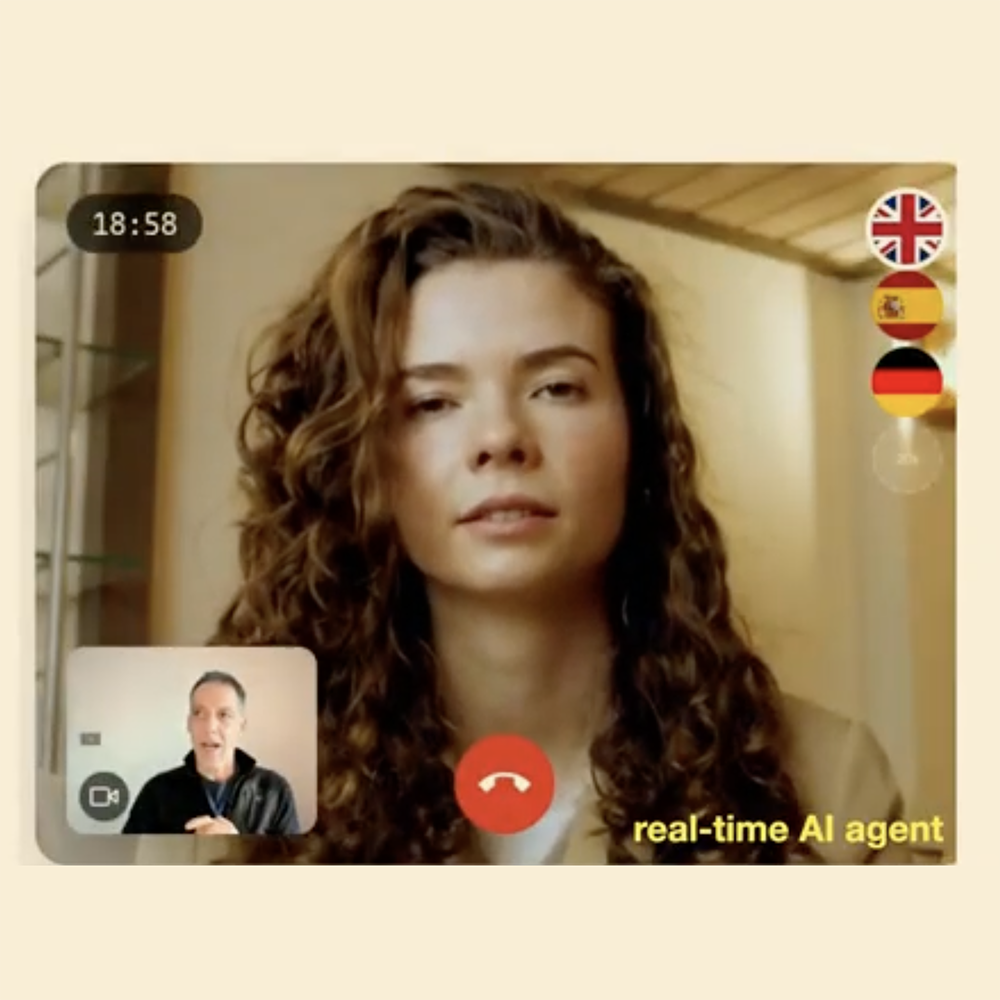
Two decades ago, when Hany Farid first began studying digital misinformation and manipulated media, fake content was easier to detect. Today, that landscape has shifted with a speed that he describes as “breathtaking.” In just the last year or two, he says, we’ve moved from an era where a computer takes seconds or minutes to produce a static file to "full-blown interactive deepfakes" that can hold a live conversation in real time.In this Berkeley Talks episode, Farid, a digital forensics expert and professor at UC Berkeley’s School of Information, discusses the rapidly accelerating landscape of generative AI and the unique threat it poses to our collective understanding of the world.Farid notes that tools once reserved for governments or well-funded organizations are now freely available, radically expanding the threat landscape. “We have taken a mechanism that was in the hands of state-sponsored actors and bad actors and given it to 8 billion people in the world," he says. This democratization of powerful technology makes it much easier to create convincing false images, audio and video — and much harder to trust what we see online.And he explains that human perception is no longer a reliable defense, as his research shows people are only slightly better than chance at identifying AI-generated content.To reduce the damage to our shared sense of reality, Farid suggests solutions should focus on the systems that profit from harmful content, including platforms and ad networks that help it spread. He also gives a warning about news consumption: “Stop getting your news from social media. That’s not what it was designed for.Despite the rise of deepfakes and online deception, Farid says he rejects the idea that there is no truth or fact. He believes that, although it takes effort, people can still work together to understand what is happening in the world.This lecture, which took place on March 13, was part of LNS 110: Brilliance of Berkeley, a course featuring distinguished researchers working on the world’s most pressing issues.Watch Farid's lecture (with slides) on YouTube.Listen to the episode and read the transcript on UC Berkeley News (news.berkeley.edu/podcasts/berkeley-talks).Music by HoliznaCC0.Screenshot from lecture. Hosted on Acast. See acast.com/privacy for more information.

Two decades ago, when Hany Farid first began studying digital misinformation and manipulated media, fake content was easier to detect. Today, that landscape has shifted with a speed that he describes as “breathtaking.” In just the last year or two, he says, we’ve moved from an era where a computer takes seconds or minutes to produce a static file to "full-blown interactive deepfakes" that can hold a live conversation in real time.In this Berkeley Talks episode, Farid, a digital forensics expert and professor at UC Berkeley’s School of Information, discusses the rapidly accelerating landscape of generative AI and the unique threat it poses to our collective understanding of the world.Farid notes that tools once reserved for governments or well-funded organizations are now freely available, radically expanding the threat landscape. “We have taken a mechanism that was in the hands of state-sponsored actors and bad actors and given it to 8 billion people in the world," he says. This democratization of powerful technology makes it much easier to create convincing false images, audio and video — and much harder to trust what we see online.And he explains that human perception is no longer a reliable defense, as his research shows people are only slightly better than chance at identifying AI-generated content.To reduce the damage to our shared sense of reality, Farid suggests solutions should focus on the systems that profit from harmful content, including platforms and ad networks that help it spread. He also gives a warning about news consumption: “Stop getting your news from social media. That’s not what it was designed for.Despite the rise of deepfakes and online deception, Farid says he rejects the idea that there is no truth or fact. He believes that, although it takes effort, people can still work together to understand what is happening in the world.This lecture, which took place on March 13, was part of LNS 110: Brilliance of Berkeley, a course featuring distinguished researchers working on the world’s most pressing issues.Watch Farid's lecture (with slides) on YouTube.Listen to the episode and read the transcript on UC Berkeley News (news.berkeley.edu/podcasts/berkeley-talks).Music by HoliznaCC0.Screenshot from lecture. Hosted on Acast. See acast.com/privacy for more information.

NOW PLAYING

Hany Farid on the erosion of shared reality in the age of deepfakes

0:00 51:21

No transcript for this episode yet

We transcribe on demand. Request one and we'll notify you when it's ready — usually under 10 minutes.

Carnivores Don't Get Sunburn - Carnivore Diet Talks Carnivores Don't Get Sunburn - Carnivore Diet Talks Welcome to “Carnivores Don’t Get Sunburn,” where we have fun and explore the carnivore diet and its transformative power. Join us as we uncover real stories from individuals who have thrived on this diet, defying convention and embracing optimal health. Plus, stay tuned for our upcoming documentary featuring diverse carnivores overcoming health challenges. Learn more at www.carnivoredietdocumentary.com.Excitingly, we’re working on an upcoming documentary where we’ll feature carnivores from various walks of life, conquering diverse health challenges. Join us on this journey and learn more at www.carnivoredietdocumentary.com.Join us in uncovering the power of the carnivore diet. Prepare to be inspired, informed, and empowered to embrace optimal health and well-being.Welcome to “Carnivores Don’t Get Sunburn: Unveiling Real Stories of the Carnivore Diet.” Stay tuned for our upcoming documentary. Discover how this lifestyle can transform lives. Learn more at www.carnivoredietdocumentary.com IT IS WHAT IT IS with SHALLZ - SHALLY ZOMORODI Shally Zomorodi What?  "It is what it is" with ShallZ – Shally ZomorodiWhen? WeeklyHow long? 35 minutesEvery week, Mother of 4, wife, morning TV news anchor and ultimate hostess, Shally Zomorodi talks about life - its up's and downs and how to stay on track in her weekly podcast, ‘It is what it is.’  Known for her high energy, infectious smile and ability to see the cup as half full Shally talks about all things in life and how to work through its challenges. From parenting, marriage, friendships, current events to how to smile when it just seems impossible ‘It is what it is’ is the perfect podcast to help inspire you to dance through the rain. Tracking Nuclear Weapons Programs Center for Strategic and International Studies The CSIS Proliferation Prevention Program talks to experts about transparency and nuclear weapons. Cover Stories with Chess Life US Chess Chess Life Editor John Hartmann talks to the authors of each month's Chess Life cover story.

Frequently Asked Questions

How long is this episode of Berkeley Talks?

This episode is 51 minutes long.

When was this Berkeley Talks episode published?

This episode was published on April 6, 2026.

What is this episode about?

Two decades ago, when Hany Farid first began studying digital misinformation and manipulated media, fake content was easier to detect. Today, that landscape has shifted with a speed that he describes as “breathtaking.” In just the last year or two,...

Can I download this Berkeley Talks episode?

Yes, you can download this episode by clicking the download button on the episode player, or subscribe to the podcast in your preferred podcast app for automatic downloads.
URL copied to clipboard!