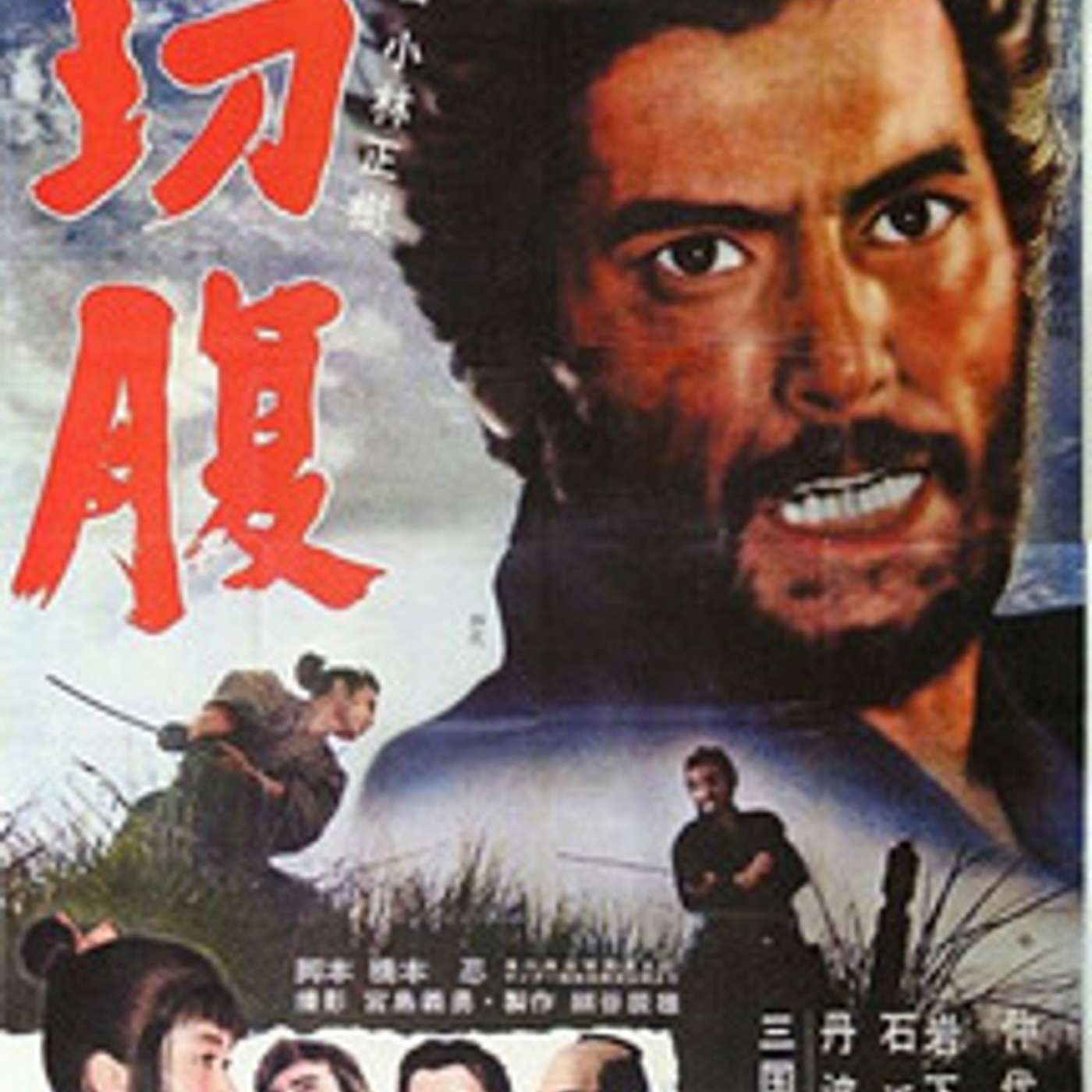
Hari Kiri
from Philosophy at the Movies Hosted by Stockdale Center - Shaun Baker, PhD.
What does this 1962 film, centering on the request by a Ronin (a wandering and un-employed Samurai) to be allowed a Hari Kiri ceremony on the grounds of a Samurai clan, teach us about the Samurai concept of honor? How does the main character’s quest for revenge serve as a commentary on two faces of Bushido code, one gentle and aimed to one’s own, the other cruel and aimed toward outsiders? What is Tsugumo’s intent in hunting down the three Samurai who had humiliated his son in law, Chijiwa and forced him to commit suicide? Why did he choose to cut off their top-knots instead of killing them? What significance does it have that none of the three are present during the Hari Kiri ceremony when Tsugumo requests they be his ‘seconds’ in the ritual? How does the cruelty shown by these three toward Chijiwa show they have failed in their stewardship responsibilities toward fellow Samurai? Are Tsugumo’s actions primarily motivated by a desire for revenge or search for justice? How does the film trade on an ambiguity in the term “honor,” one meaning tying honor to public perception, the other tying it up with the question of whether the clan actually behaved in a moral way?
Embed this episode
No transcript yet.