
EPISODE · May 12, 2026 · 2 MIN
Health News May 12th, 2026
from Club Seat Network · host Club Seat Network
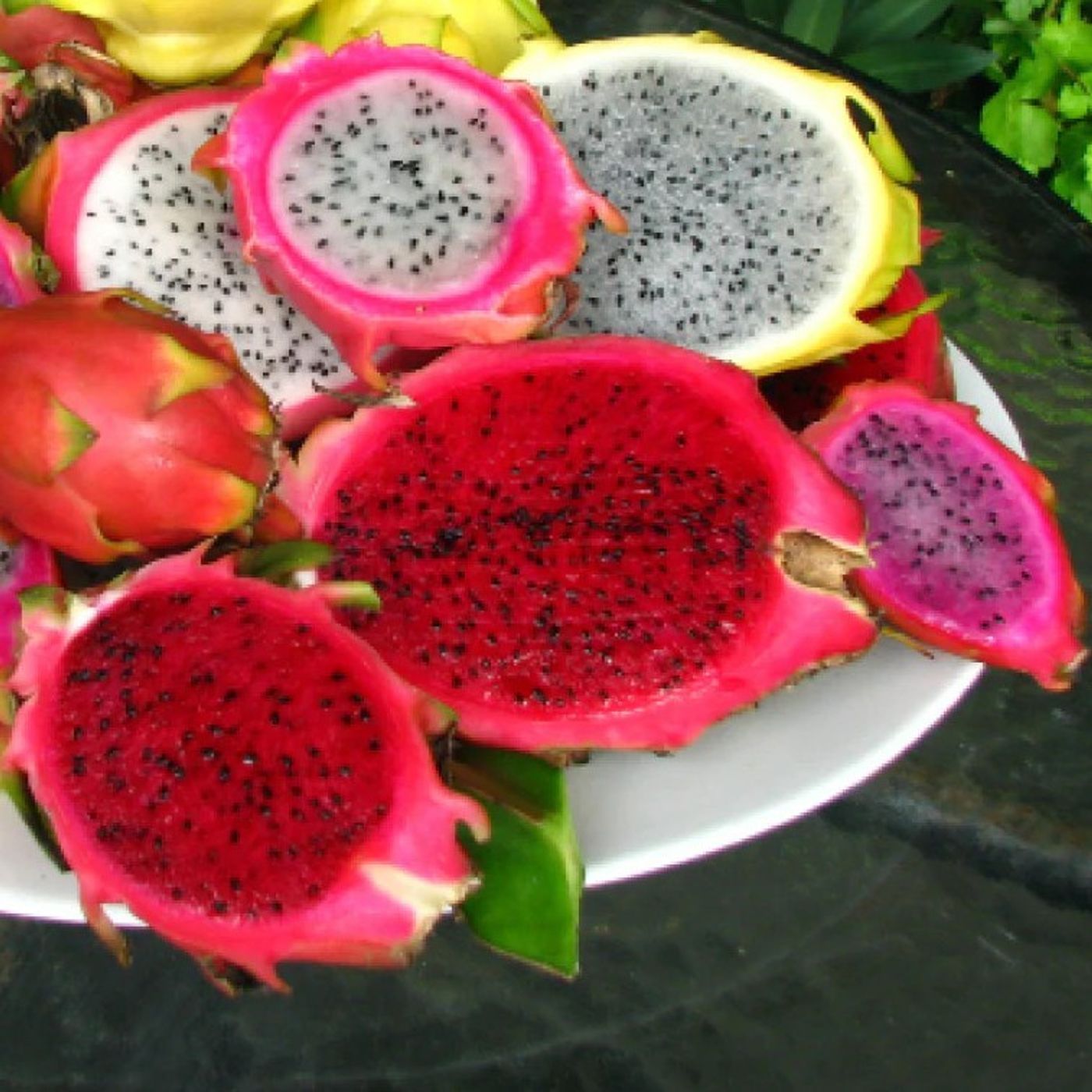
Pitaya is unique in a lot of ways. Known by its common name in English as dragon fruit, the outside of the fruit has leather-like skin and scaly spikes resembling dragon skin. Depending on the variety, dragon fruit has skin that can be red, white, or yellow in color. Only the inside of the fruit can be eaten, including the seeds which are soft and edible like a kiwi. To properly eat a dragon fruit, you must cut it in half lengthwise and scoop out the speckled flesh with a spoon, or peel off the thick skin to slice it. The flesh, which can be white, dark red, or magenta, has a taste that is described as a refreshing blend of kiwi, pear, and watermelon. The fruit is native to southern Mexico and the Pacific coasts of Guatemala, Costa Rica, and El Salvador. It is grown in East Asia, South Asia, Southeast Asia, continental America, the Caribbean, Australia, Brazil, a region of Portugal called Madeira (Portugal) and throughout tropical and subtropical regions of the world. Due to Vietnam being the lead exporter of the fruit, it is often known as Vietnamese dragon fruit. The fruit can be purchased in the United States at grocery stores, farmers markets, international markets or online at various tropical fruit outlets. Because of its benefits and nutrients, dragon fruit is considered a superfood. The fruit contains antioxidants such as betacyanins (which give the red variety its color), flavonoids, and hydroxycinnamates, which help protect cells from damage as well as phenolic acid, which combat oxidative stress preventing heart disease, lowering cholesterol and improving cardiovascular health. Dragon fruit is rich in Vitamin C, which helps strengthen the immune system and promote collagen production as well as improve iron absorption. In addition, it contains magnesium which is necessary for regulating nerve and muscle function and fiber for digestive health. Dragon fruit is safe for diabetics to eat as it assists with regulating blood sugar. The fruit is low in acid, making it safe for those that suffer from acid reflux. Also, the fruit contains Vitamin B6 which is key for the brain and immune system, and it is rich in prebiotics which feed healthy bacteria in the gut. So, the next time you’re out grocery shopping and looking to try something unique, be sure to consider dragon fruit whether fresh and ripe, in a fruit salad, yogurt toppings, or in a juice, cocktail or smoothie. To subscribe to the channel, click the link below: 👇 https://www.youtube.com/@CLUBSEATNETWORK?sub_confirmation=1
Embed this episode
NOW PLAYING
Health News May 12th, 2026
No transcript for this episode yet
Similar Episodes
No similar episodes found.
Similar Podcasts
No similar podcasts found.