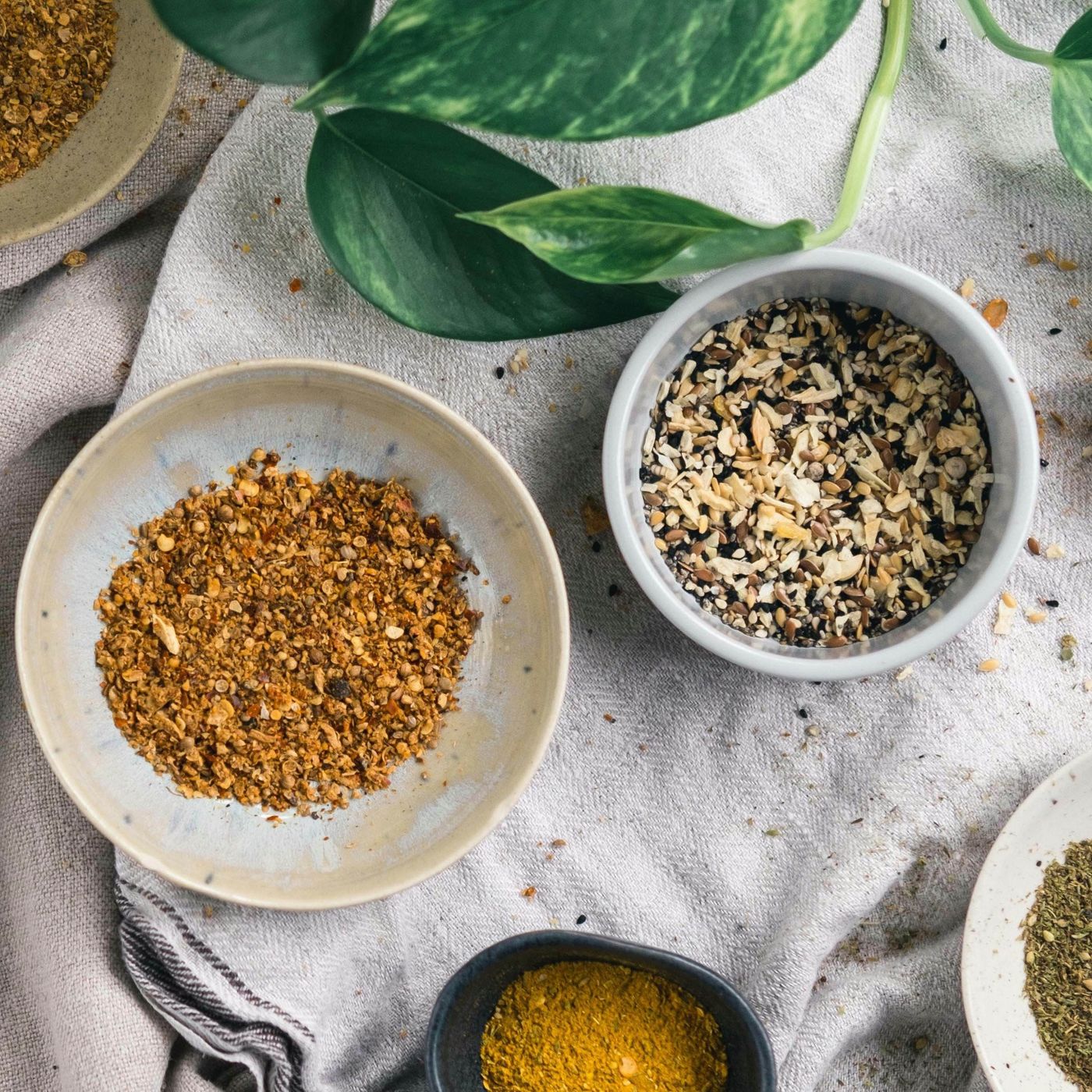
Healthy non perishable food - Nutrient-Dense Non-Perishable Food Systems and Emergency Pantry Strategies episode artwork

EPISODE · Jan 29, 2026 · 34 MIN

Healthy non perishable food - Nutrient-Dense Non-Perishable Food Systems and Emergency Pantry Strategies

from Whole Life Studio · host Norse Studio

Modern nutritional science has shifted from focusing solely on fresh produce to appreciating the value of preserved and shelf-stable food systems. These foods form the backbone of both emergency preparedness and daily dietary management, providing nutrient-dense options that accommodate fast-paced lifestyles. Contrary to the common perception that fresh is always best, canned, frozen, and dried goods are often nutritionally comparable and sometimes superior. Fresh fruits and vegetables lose nutrients through respiration and oxidation immediately after harvest. Spinach, for example, can lose its entire vitamin C content within a week at room temperature. In contrast, canning and rapid freezing lock in nutrients at peak ripeness. Some nutrients, such as the lycopene in tomatoes, actually become more bioavailable to the body after the heating process used in canning.Protein is a crucial macronutrient for building muscle, supporting hormone production, and balancing blood sugar. Shelf-stable protein sources are abundant and often more cost-effective than fresh alternatives. Canned salmon and chicken are lean, high-protein options with virtually no carbohydrates. Canned salmon often includes soft, edible bones that provide a significant calcium boost. Legumes such as black beans, lentils, and chickpeas are cornerstones of a healthy pantry, offering a unique profile of iron, magnesium, and potassium alongside high fiber content. For a plant-based protein variety, textured vegetable protein or TVP is a defatted soy product that serves as a complete protein, containing all nine essential amino acids. It is lightweight, fat-free, and highly versatile because it absorbs the flavors of the ingredients with which it is prepared.Managing chronic conditions like diabetes requires choosing foods that minimize blood sugar spikes. Low-glycemic index options like chia seeds are particularly effective because they contain soluble fiber that forms a gel in the digestive tract, slowing the breakdown of carbohydrates and helping prevent rapid blood sugar increases. Quinoa is another excellent choice, providing a complete protein source with more fiber and fewer total carbs than brown rice. Healthy fats from nuts like walnuts, almonds, and pistachios, as well as olive oil, provide anti-inflammatory benefits and help the body absorb fat-soluble vitamins. These fats, when paired with fiber and protein, increase satiety and help maintain stable energy levels between meals.For those focused on fitness and muscle maintenance, consuming high-protein snacks can be especially beneficial after a workout to maximize muscle protein synthesis. Effective portable pairings include beef jerky with a handful of almonds, or a salmon pouch mixed with Greek yogurt and scooped up with raw vegetables. Combining produce with protein is a winning strategy for snacking; for example, pairing a small apple with almond butter or baby carrots with hummus provides sustained energy and essential vitamins.Safety and storage are vital for maintaining the integrity of these foods. Non-perishables should be stored in a cool, dark, dry place, ideally at temperatures below 85 degrees Fahrenheit. While canned goods can remain safe for many years, their quality is best preserved if consumed within specific timeframes, such as one year for high-acid items like fruit juices and two to five years for low-acid items like meat and vegetables. To reduce sodium and added sugar, look for labels stating no salt added or fruit packed in its own juice. Rinsing canned beans and vegetables can further reduce sodium content by up to 40 percent. Additionally, selecting brands that prioritize BPA-free linings helps avoid exposure to endocrine-disrupting chemicals. Whether navigating an emergency or managing a busy lifestyle, a well-stocked pantry of diverse, shelf-stable staples ensures that high-quality nutrition remains accessible at all times. Hosted on Acast. See acast.com/privacy for more information.Become a supporter of this podcast: https://www.spreaker.com/podcast/whole-life-studio--6886552/support.

Modern nutritional science has shifted from focusing solely on fresh produce to appreciating the value of preserved and shelf-stable food systems. These foods form the backbone of both emergency preparedness and daily dietary management, providing nutrient-dense options that accommodate fast-paced lifestyles. Contrary to the common perception that fresh is always best, canned, frozen, and dried goods are often nutritionally comparable and sometimes superior. Fresh fruits and vegetables lose nutrients through respiration and oxidation immediately after harvest. Spinach, for example, can lose its entire vitamin C content within a week at room temperature. In contrast, canning and rapid freezing lock in nutrients at peak ripeness. Some nutrients, such as the lycopene in tomatoes, actually become more bioavailable to the body after the heating process used in canning.Protein is a crucial macronutrient for building muscle, supporting hormone production, and balancing blood sugar. Shelf-stable protein sources are abundant and often more cost-effective than fresh alternatives. Canned salmon and chicken are lean, high-protein options with virtually no carbohydrates. Canned salmon often includes soft, edible bones that provide a significant calcium boost. Legumes such as black beans, lentils, and chickpeas are cornerstones of a healthy pantry, offering a unique profile of iron, magnesium, and potassium alongside high fiber content. For a plant-based protein variety, textured vegetable protein or TVP is a defatted soy product that serves as a complete protein, containing all nine essential amino acids. It is lightweight, fat-free, and highly versatile because it absorbs the flavors of the ingredients with which it is prepared.Managing chronic conditions like diabetes requires choosing foods that minimize blood sugar spikes. Low-glycemic index options like chia seeds are particularly effective because they contain soluble fiber that forms a gel in the digestive tract, slowing the breakdown of carbohydrates and helping prevent rapid blood sugar increases. Quinoa is another excellent choice, providing a complete protein source with more fiber and fewer total carbs than brown rice. Healthy fats from nuts like walnuts, almonds, and pistachios, as well as olive oil, provide anti-inflammatory benefits and help the body absorb fat-soluble vitamins. These fats, when paired with fiber and protein, increase satiety and help maintain stable energy levels between meals.For those focused on fitness and muscle maintenance, consuming high-protein snacks can be especially beneficial after a workout to maximize muscle protein synthesis. Effective portable pairings include beef jerky with a handful of almonds, or a salmon pouch mixed with Greek yogurt and scooped up with raw vegetables. Combining produce with protein is a winning strategy for snacking; for example, pairing a small apple with almond butter or baby carrots with hummus provides sustained energy and essential vitamins.Safety and storage are vital for maintaining the integrity of these foods. Non-perishables should be stored in a cool, dark, dry place, ideally at temperatures below 85 degrees Fahrenheit. While canned goods can remain safe for many years, their quality is best preserved if consumed within specific timeframes, such as one year for high-acid items like fruit juices and two to five years for low-acid items like meat and vegetables. To reduce sodium and added sugar, look for labels stating no salt added or fruit packed in its own juice. Rinsing canned beans and vegetables can further reduce sodium content by up to 40 percent. Additionally, selecting brands that prioritize BPA-free linings helps avoid exposure to endocrine-disrupting chemicals. Whether navigating an emergency or managing a busy lifestyle, a well-stocked pantry of diverse, shelf-stable staples ensures that high-quality nutrition remains accessible at all times. Hosted on Acast. See <a target="_blank"...

NOW PLAYING

Healthy non perishable food - Nutrient-Dense Non-Perishable Food Systems and Emergency Pantry Strategies

0:00 34:28

No transcript for this episode yet

We transcribe on demand. Request one and we'll notify you when it's ready — usually under 10 minutes.

Eat to Live Jenna Fuhrman, Dr. Fuhrman Our health is our most precious gift and smart nutrition can change your life. Each month, join Dr. Fuhrman and his daughter, Jenna Fuhrman as they discuss important topics in the world of nutrition. Eat to Live will change the way you eat and think about food. French Your Way Jessica: Native French teacher founder of French Your Way Boost your French listening skills and test your comprehension with this one of a kind series of podcasts. Get the chance to listen to a real conversation between native speakers talking at normal speed AND customise your learning experience through carefully designed sets of questions (2 levels of difficulty) available for download at www.frenchvoicespodcast.com. All interviews also come with the transcript. French teacher Jessica interviews native speakers of French from around the world who share a bit of their life and passion. Where else would you meet in one same place a French yoga teacher based in Melbourne, a soap manufacturer from Provence, or a couple cycling around the world? That Hoarder: Overcome Compulsive Hoarding That Hoarder Hoarding disorder is stigmatised and people who hoard feel vast amounts of shame. This podcast began life as an audio diary, an anonymous outlet for somebody with this weird condition. That Hoarder speaks about her experiences living with compulsive hoarding, she interviews therapists, academics, researchers, children of hoarders, professional organisers and influencers, and she shares insight and tips for others with the problem. Listened to by people who hoard as well as those who love them and those who work with them, Overcome Compulsive Hoarding with That Hoarder aims to shatter the stigma, share the truth and speak openly and honestly to improve lives. The Lee Olsen Show Lee Olsen CJF I want to help you improve all areas of your life by 3 types of podcasts!👉Blood, Sweat & Blessings-Interviews of normal people that have achieved BIG things!👉Series!!! For Love of the Horse- Brad Jackman DVM & Lee Olsen CJF, how to help your horse!👉Business Tips- Proven Life Changing Business Strategies with Lee Olsen

Frequently Asked Questions

How long is this episode of Whole Life Studio?

This episode is 34 minutes long.

When was this Whole Life Studio episode published?

This episode was published on January 29, 2026.

What is this episode about?

Modern nutritional science has shifted from focusing solely on fresh produce to appreciating the value of preserved and shelf-stable food systems. These foods form the backbone of both emergency preparedness and daily dietary management, providing...

Can I download this Whole Life Studio episode?

Yes, you can download this episode by clicking the download button on the episode player, or subscribe to the podcast in your preferred podcast app for automatic downloads.
URL copied to clipboard!