
EPISODE · Jun 30, 2026 · 36 MIN
Heretics - 03 - Chapters 15-20
from Discipleship for the Present Podcast · host Kanu Emeruwa
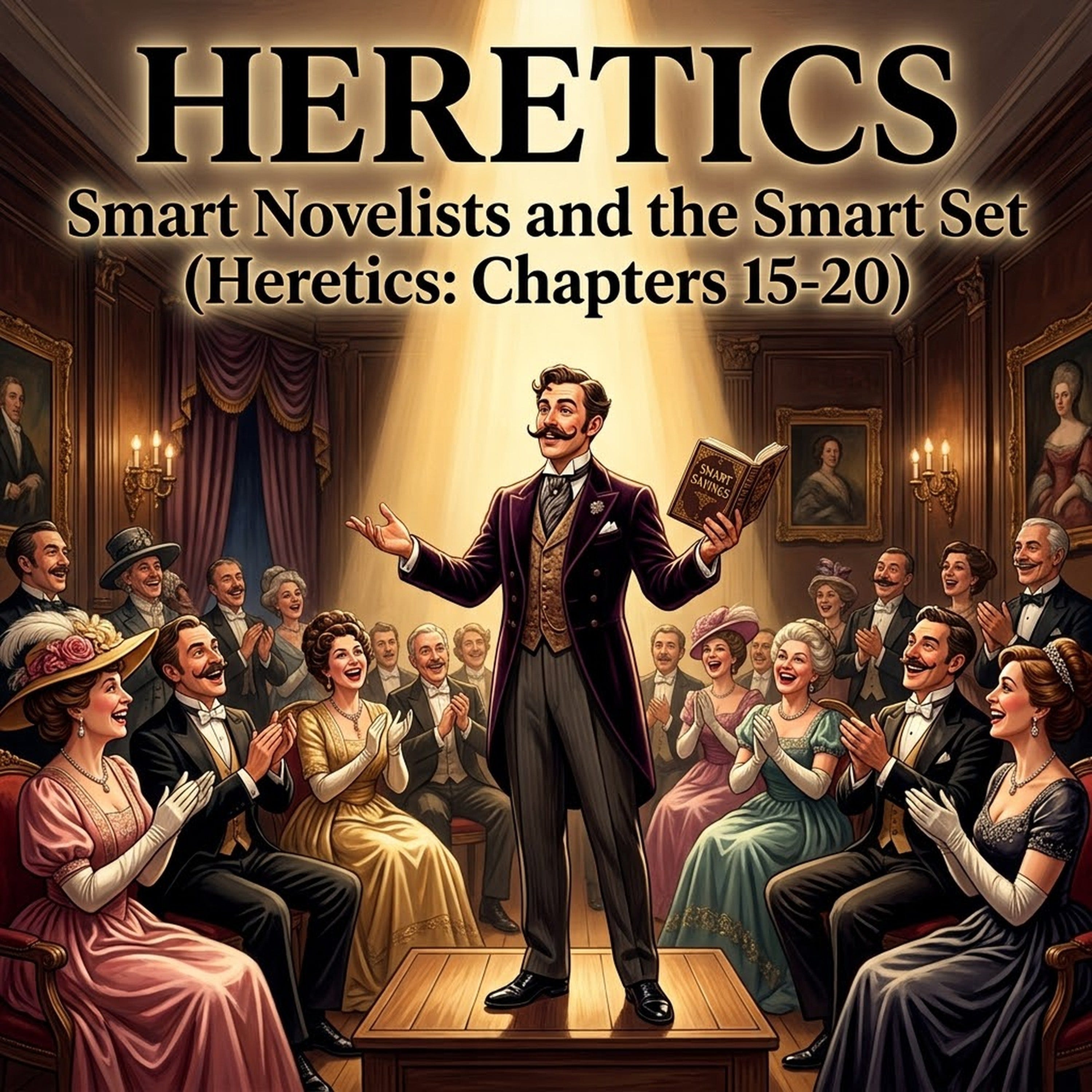
Most of us remember G.K. Chesterton for his witty paradoxes and intellectual sparring. But in Chapters 15 through 20 of Heretics, his writing reveals a darker anxiety. He is watching a culture drown in its own supposed enlightenment.The episode opens by looking closely at the rising tide of what the hosts call “vague modernity”—an intellectual climate that prides itself on throwing off traditional beliefs in the name of tolerance. But as the episode unpacks, this refusal to commit to a definite truth does not create freedom. It creates spiritual paralysis. The hosts explore Chesterton’s magnificent "turnip analogy," arguing that a mind refusing to draw hard lines is not advanced; it is merely sinking backward into the unconsciousness of the grass.From there, the episode subjects Chesterton’s fiercely defensive posture to a completely uncompromising standard: the “Jesus filter.” The hosts evaluate whether his combative worldview actually aligns with Christ’s core instructions for discipleship. They find profound alignment in Chesterton's critique of the artist James McNeill Whistler, whose self-obsessed vanity perfectly illustrates the modern failure of humility. When you are burdened by maintaining a curated image of spiritual or intellectual depth, you are trapped in the cult of yourself—leaving no strength or attention left to simply wash feet.The episode then turns to the “slum novelists” of the Victorian era, wealthy writers who mined poverty for emotional sensation. Here, the hosts draw a sharp distinction between condescending pity and true reverence. Pity treats a person like a project or a pet; reverence treats them as a fellow immortal being. This forces a difficult look at modern "poverty porn in ministry" and the ways ego disguises itself as Christian care.But the collision with the Sermon on the Mount also exposes Chesterton's dangerous blind spots. Once the romance of Edwardian imperialism enters the room, the tension becomes undeniable. Chesterton’s love for uproarious display, the "romance of arms," and a good fight stands in direct opposition to Jesus' call for secret obedience and enemy love. The episode does not excuse this; it names it, providing a crucial framework for how to read brilliant historical theology without absorbing its flawed cultural assumptions.Finally, the episode shifts to the tyranny of the expert and the chilling danger of the indifferent bigot. The ultimate wisdom of these chapters is not a call to aggression, but a call to recover a "divine frivolity." In a solemn, cynical world that treats faith as a spectator sport, the most radical act of discipleship is to stop analyzing the mechanics of grace from the dark, and simply step onto the floor to dance.In This EpisodeWhy Chesterton’s attack on "vague modernity" is more relevant today than everThe brilliant "turnip analogy" and why refusing to hold dogmas leads to spiritual paralysisThe critical distinction between performative solemnity and sincere joy ("divine frivolity")James McNeill Whistler, modern influencer culture, and the trap of "expert Christianity"The slum novelists and the devastating difference between condescending pity and true reverenceWhy tame, achievable ideals are far more dangerous to the soul than wild, impossible onesWhere Chesterton fails the "Jesus filter": the romance of arms versus the command to love your enemiesThe historical birth of the technocracy and the danger of surrendering moral authority to expertsWhy the most destructive bigot is often the vaguely indifferent person, not the religious fanaticThe secret cosmic festivity of the universe, and the call to stop watching the "dancers in pink"Practical ReflectionWhere has your walk with Jesus become a "sad unreason" or a rigid bureaucratic routine, and how can you actively inject sincere joy back into that space this week?When interacting with those who have less power or resources than you, are you secretly making condescending allowances for them, or are you treating them with the profound reverence owed to a fellow image-bearer?What is one specific, core teaching of Jesus that you have been intentionally holding vaguely to avoid social friction, and what would it look like to commit to it unapologetically?Suggested Substack ExcerptIn Chapters 15–20 of Heretics, G.K. Chesterton warns of a society paralyzed by its own broad-mindedness. In this episode, we run his witty, combative theology through the "Jesus filter," exploring the dangers of vague modernity, the trap of spiritual solemnity, and why true discipleship requires stepping out of the audience to embrace the wild, impossible joy of the kingdom.AI DisclosureThis episode was created using Google NotebookLM Audio Overview, based on human-curated source material, structured guidance, and editorial review. AI is used as a tool for clarity and delivery, not as a replacement for thoughtful study or engagement with the original texts.Copyright© 2026 Discipleship for the Present / Kamashcu Production Studios. All rights reserved. This is a public episode. If you would like to discuss this with other subscribers or get access to bonus episodes, visit discipleshipforthepresent.substack.com
Embed this episode
Ready to play
Heretics - 03 - Chapters 15-20
No transcript for this episode yet
Similar Episodes
No similar episodes found.
Similar Podcasts
No similar podcasts found.