
EPISODE · Feb 26, 2026 · 17 MIN
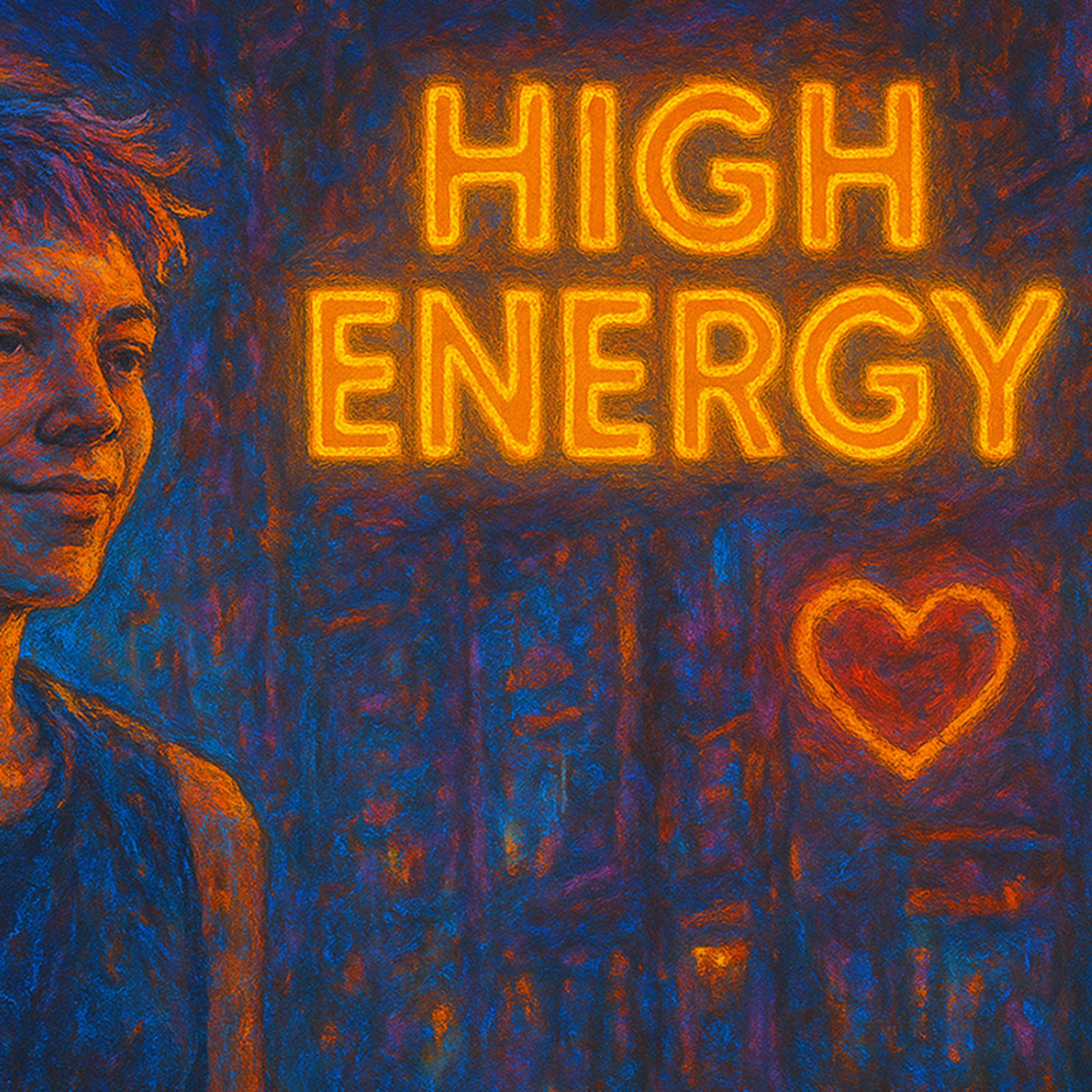
High Energy Explained: LGBTQ, Dance Music, and Liberation
from Monumental Movement Podcast · host monumentalmovement
High-energy dance music is not just fast, loud, or euphoric.It is a cultural technology designed for survival, visibility, and collective release.Emerging in the late 1970s and early 1980s, Hi-NRG developed within LGBTQ communities at a moment when dance floors functioned as both sanctuary and battleground. As disco faced a violent backlash in the United States — epitomized by events like Disco Demolition Night — queer bodies, sounds, and spaces were increasingly pushed to the margins. Hi-NRG did not retreat. It accelerated.Rooted in urban nightlife scenes across San Francisco, New York, and later London, Hi-NRG transformed disco’s groove into something more urgent and relentless. Faster tempos, machine-driven basslines, and tightly sequenced rhythms reflected not excess, but necessity. These were sounds engineered for endurance — for dancing through social pressure, political hostility, and later, the devastating years of the AIDS crisis.Technology played a crucial role. Drum machines, early synthesizers, and sequencers allowed producers to construct music that was precise, repeatable, and anonymous. In this sense, Hi-NRG was not merely electronic dance music; it was a system where bodies synchronized with machines, and identity was negotiated through repetition. The club became an architecture of motion — a space where gender, sexuality, and social hierarchy could be temporarily rewritten through rhythm.Aesthetically, Hi-NRG rejected subtlety. Its intensity was declarative. The music insisted on presence: on being seen, heard, and felt. For LGBTQ dancers, this was not escapism but affirmation — a ritualized assertion of existence within a society that often denied it.The legacy of Hi-NRG extends far beyond its original moment. Its DNA can be traced through house, techno, eurodance, and contemporary queer club movements. Even today, high-BPM dance floors continue to operate as sites where identity is performed, dissolved, and reassembled.In this episode, we explore Hi-NRG not as a retro genre, but as a cultural mechanism — one that reveals how speed, repetition, and collective movement become tools of liberation. Hi-NRG reminds us that dance music is not only something we listen to. It is something we inhabit, together.▼【Related Column】High energy and LGBTQ: dance music that symbolizes liberation and identityhttps://monumental-movement.jp/en/Column-Hi-NRG/
Embed this episode
NOW PLAYING
High Energy Explained: LGBTQ, Dance Music, and Liberation
No transcript for this episode yet
Similar Episodes
No similar episodes found.
Similar Podcasts
No similar podcasts found.