
EPISODE · Apr 1, 2026 · 17 MIN
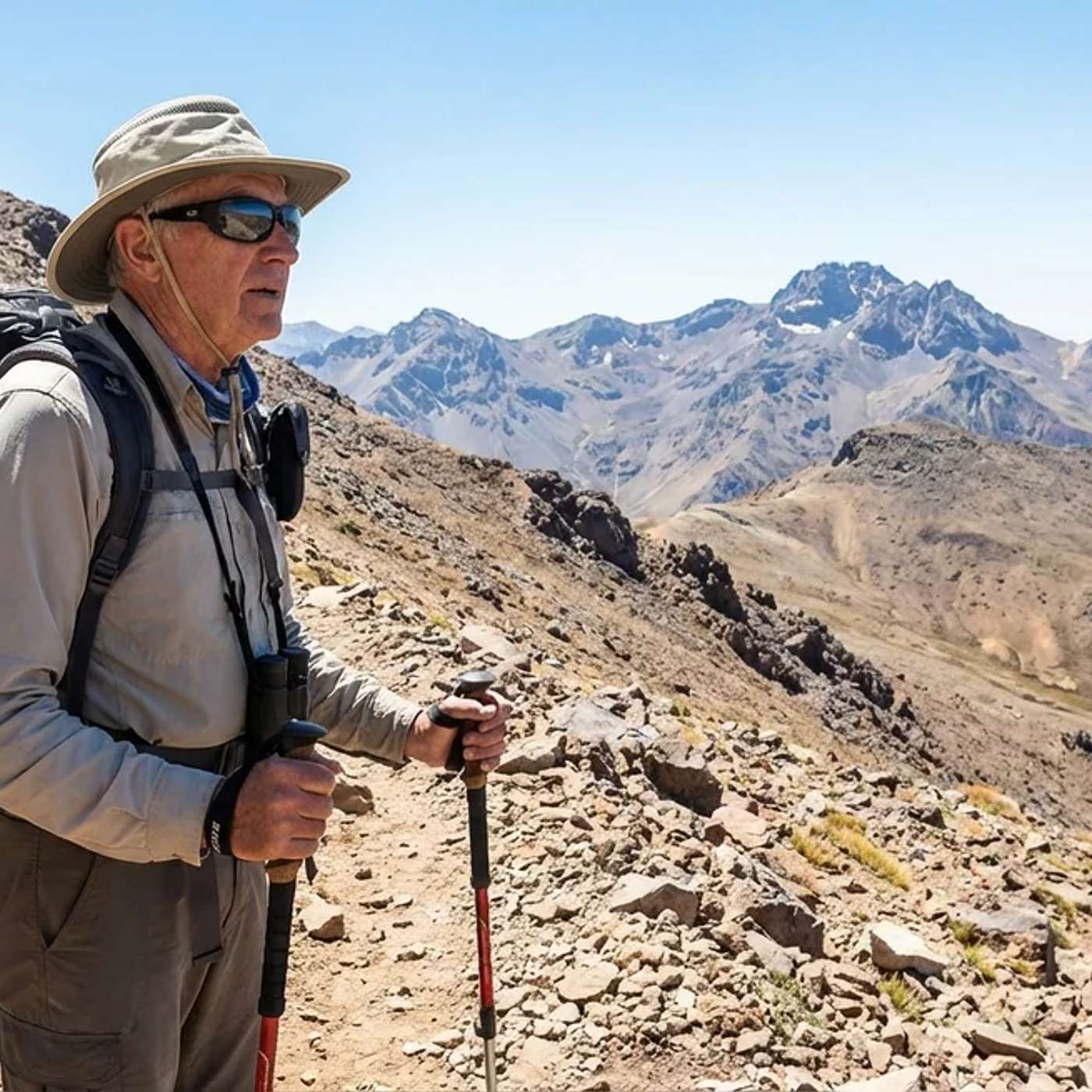
Hiking and Glaucoma: Terrain, Altitude, and Sun Exposure
from Glaucoma, Vision & Longevity: Supplements & Science · host Visual Field Test
This audio article is from VisualFieldTest.com.Read the full article here: https://visualfieldtest.com/en/hiking-and-glaucoma-terrain-altitude-and-sun-exposureTest your visual field online: https://visualfieldtest.comSupport the show so new episodes keep coming: https://www.buzzsprout.com/2563091/supportExcerpt:Hiking and Glaucoma: Terrain, Altitude, and Sun ExposureHiking can be a great way for people with glaucoma to get exercise and enjoy nature – but it also raises questions about eye pressure, blood flow to the optic nerve, and safety on the trail. In general, moderate aerobic exercise (like brisk walking or hiking) is beneficial: it strengthens heart and lung function, helps control blood pressure, and can improve mood and stress resilience (). In fact, a recent review found that outdoor hiking improves cardiovascular health and also “alleviates stress, improves mood, and enhances mental health” (). Higher overall fitness has even been linked to slower glaucoma progression (). However, hiking also brings challenges: long treks can lead to dehydration, strong sunlight, and difficult footing. Importantly for glaucoma patients, we must consider whether hiking acutely affects intraocular pressure (IOP) or ocular perfusion pressure (OPP) (the pressure that drives blood flow to the optic nerve). Below we review how moderate hiking and altitude changes influence IOP/OPP, weigh the health gains against eye risks like dehydration and UV exposure, and give practical advice on gear and pacing. We conclude with criteria to help decide if a high-altitude hike is safe with glaucoma.Hiking’s Effects on Eye Pressure (IOP) and Eye Blood Flow (OPP)Intraocular pressure (IOP) is the fluid pressure inside the eye; it is the main modifiable risk factor in glaucoma. Ocular perfusion pressure (OPP) is roughly the difference between blood pressure in the eye’s arteries and the IOP – it represents the force driving blood through the optic nerve. Low OPP (for example, if blood pressure drops or IOP rises) can starve the optic nerve of blood, which is bad for glaucoma. What does hiking do? Studies of walking and light endurance exercise in glaucoma patients are reassuring. A 2025 clinical trial of people with primary open-angle glaucoma found that walking at a steady, moderate pace (slow or fast) did not cause a dangerous rise in IOP () (). In other words, heart-pumping walking kept IOP roughly the same as before the walk. There was a modest increase in IOP only when subjects carried heavy weights (like a load), which suggests glaucoma patients should avoid very heavy backpacks () (). By contrast, keeping a not-too-heavy load while hiking was safe. In the same study, ocular perfusion pressure increased moderately after the walk – especially at a brisk pace () – meaning that blood flow to the eye actually improved after exercise. Importantly, those OPP gains dropped back to baseline a few minutes after stopping exercise, indicating the change is temporary. Put simply: light to moderate hiking typically lowers glaucoma risk. The research suggests that endurance-type walks tend to keep IOP steady or even slightly lower it, while OPP goes up somewhat () (). This is likely a good thing, since higher OPP gives the optic nerve more blood supply. In fact, the authors conclude that low-intensity exercise “is a safe strategy to improve fitness level” in glaucoma patients () (). Based on this, many eye doctors encourage glaucoma patients to engage in regular moderate exercise, as long as they avoid extreme strain or heavy loads () (). Of course, every patient is different. If your glaucoma is controlled with medications and you feel healthy, adding hikes toSupport the show
Embed this episode
What this episode covers
This audio article is from VisualFieldTest.com. Read the full article here: https://visualfieldtest.com/en/hiking-and-glaucoma-terrain-altitude-and-sun-exposure Test your visual field online: https://visualfieldtest.com Support the show so new episodes keep coming: https://www.buzzsprout.com/2563091/support Excerpt: Hiking and Glaucoma: Terrain, Altitude, and Sun ExposureHiking can be a great way for people with glaucoma to get exercise and enjoy nature – but it also raises questions about ey...
Ready to play
Hiking and Glaucoma: Terrain, Altitude, and Sun Exposure
No transcript for this episode yet
Similar Episodes
No similar episodes found.
Similar Podcasts
No similar podcasts found.