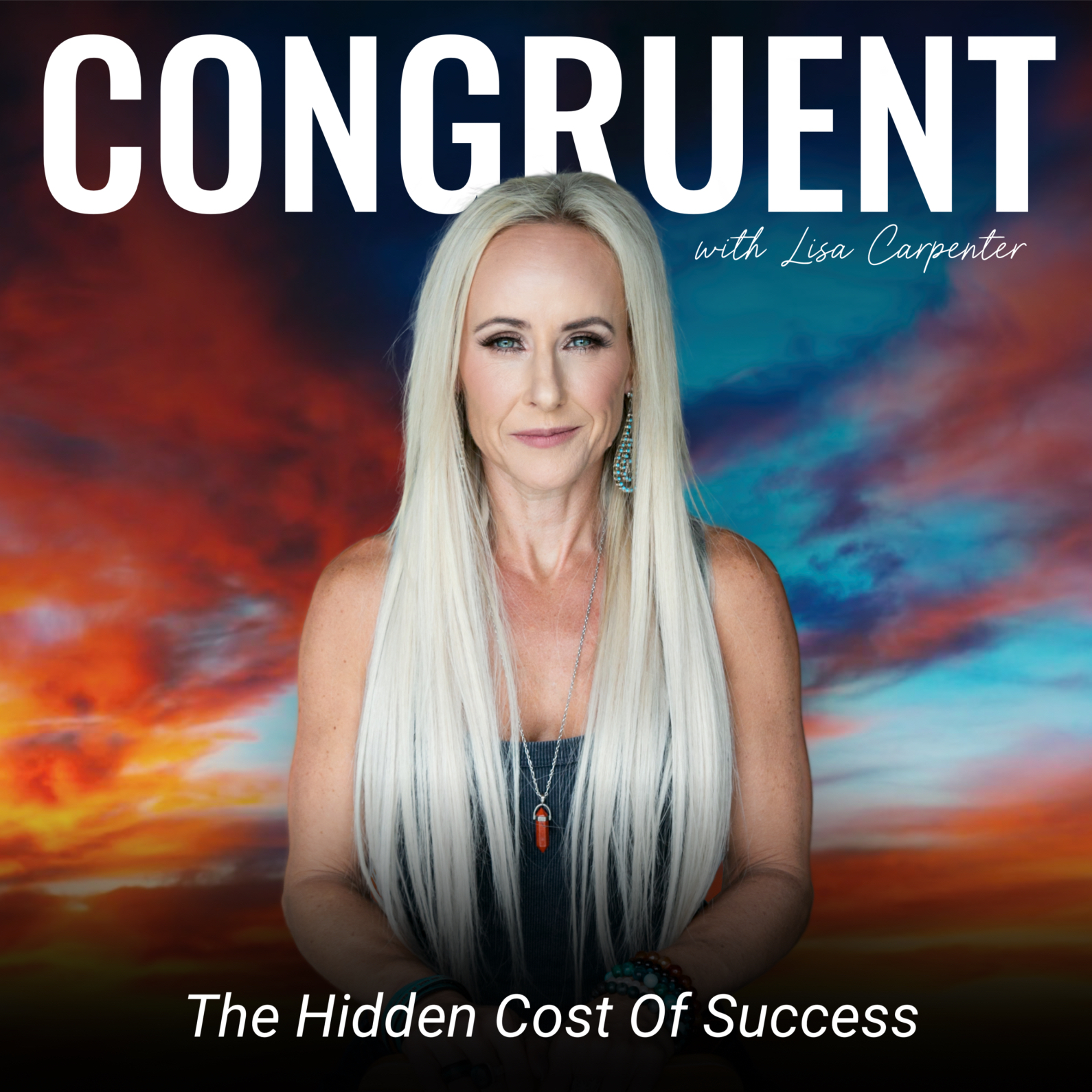
Hormone Health and The Truth About Self-Leadership episode artwork

EPISODE · Oct 29, 2025 · 47 MIN

Hormone Health and The Truth About Self-Leadership

from Congruent with Lisa Carpenter | The truth beneath success. Why it never feels like enough. · host Lisa Carpenter

Hormones can change how you feel, but they don't change who you are. And no prescription can fix a life built on burnout and self-abandonment. In this episode, I'm getting real about what's happening in my own body right now, hormones out of whack again, depression, anxiety, fatigue, memory loss, and a complete loss of zest for life. My get-up and go has left the building. But here's what I know: what I'm feeling is real, but it doesn't make it true. I've been on HRT for years. I take amazing care of myself physically. I work with practitioners. I've done decades of emotional work. And I'm still navigating this. Because HRT can support your symptoms, but it's not a magic bullet for all the emotional work you've been avoiding. Taking physically good care of yourself doesn't mean you've taken emotionally good care of yourself. Your hormones don't tank out of nowhere—they reflect how you've been living. The chronic stress, the over-functioning, the self-abandonment, the patterns you've normalized for so long you don't even see them anymore. This episode is for high-achieving women in perimenopause, menopause, or post-menopause who are exhausted, overwhelmed, and wondering if they're losing their minds. If you're ready to blow up your life or feeling like a victim of your own body, this conversation will challenge everything you think you know about hormone health. I break down what hormones can do, what they can't do, and the deeper self-leadership work your body is demanding you finally pay attention to. Because hormone therapy can change your chemistry, but only you can change your capacity.   Key Takeaways The critical distinction: What you're feeling is real, but it doesn't make it true. Feelings are data, not facts Why HRT isn't enough: Hormone replacement can stabilize physiology but cannot regulate your nervous system. That's your job The real cause of hormone chaos: How chronic stress, over-functioning, emotional suppression, and self-abandonment drive hormonal decline Physical vs emotional self-care: Taking physically good care of yourself doesn't mean you've taken emotionally good care of yourself Common perimenopause symptoms: Depression, anxiety, brain fog, fatigue, dry eyes, memory loss, poor workout recovery, loss of zest for life The hormone-gut connection: Why your gut health directly impacts your hormones and moods. 95% of serotonin is made in your gut Foundations that matter: Sleep, protein and fiber at every meal, movement, minerals and hydration, downtime, and boundaries What separates women who blow up their lives from women who transform: Self-leadership, emotional responsibility, and the courage to examine your patterns The questions you need to ask yourself: What are you getting from staying in chaos? How long will you blame your hormones instead of admitting you're a big part of the problem? Peri/menopause as invitation: This phase is asking you to finally know yourself more deeply and address the emotional work you've been avoiding   Resources Mentioned Hormone & Health Practitioners: Ciara Foy (@ciarafoyinc) - Specializes in hormone health and weight management for high-achievers over 40 Jenn Pike (@jennpike) - Nutrition and exercise expert with extensive online resources Alyssa Morra (@alyssamorragutexpert) - Gut health specialist focused on digestive wellness and hormonal balance Take the Next Step If you're exhausted from feeling like a victim of your own body, if you recognize yourself in this episode and you're ready to lead yourself differently, book a free 15-minute Congruency Audit. We'll identify exactly where you're out of congruence with yourself and what needs to shift so you can navigate this phase with awareness instead of reactivity, with self-leadership instead of self-abandonment. Book your Congruency Audit

Hormones can change how you feel, but they don’t change who you are. And no prescription can fix a life built on burnout and self-abandonment. In this episode, I’m getting real about what’s happening in my own body right now, hormones out of whack again, depression, anxiety, fatigue, memory loss, and a complete loss of zest for life. My get-up and go has left the building. But here’s what I know: what I’m feeling is real, but it doesn’t make it true. I’ve been on HRT for years. I take amazing care of myself physically. I work with practitioners. I’ve done decades of emotional work. And I’m still navigating this. Because HRT can support your symptoms, but it’s not a magic bullet for all the emotional work you’ve been avoiding. Taking physically good care of yourself doesn’t mean you’ve taken emotionally good care of yourself. Your hormones don’t tank out of nowhere—they reflect how you’ve been living. The chronic stress, the over-functioning, the self-abandonment, the patterns you’ve normalized for so long you don’t even see them anymore. This episode is for high-achieving women in perimenopause, menopause, or post-menopause who are exhausted, overwhelmed, and wondering if they’re losing their minds. If you’re ready to blow up your life or feeling like a victim of your own body, this conversation will challenge everything you think you know about hormone health. I break down what hormones can do, what they can’t do, and the deeper self-leadership work your body is demanding you finally pay attention to. Because hormone therapy can change your chemistry, but only you can change your capacity. Key Takeaways The critical distinction: What you’re feeling is real, but it doesn’t make it true. Feelings are data, not facts Why HRT isn’t enough: Hormone replacement can stabilize physiology but cannot regulate your nervous system. That’s your job The real cause of hormone chaos: How chronic stress, over-functioning, emotional suppression, and self-abandonment drive hormonal decline Physical vs emotional self-care: Taking physically good care of yourself doesn’t mean you’ve taken emotionally good care of yourself Common perimenopause symptoms: Depression, anxiety, brain fog, fatigue, dry eyes, memory loss, poor workout recovery, loss of zest for life The hormone-gut connection: Why your gut health directly impacts your hormones and moods. 95% of serotonin is made in your gut Foundations that matter: Sleep, protein and fiber at every meal, movement, minerals and hydration, downtime, and boundaries What separates women who blow up their lives from women who transform: Self-leadership, emotional responsibility, and the courage to examine your patterns The questions you need to ask yourself: What are you getting from staying in chaos? How long will you blame your hormones instead of admitting you’re a big part of the problem? Peri/menopause as invitation: This phase is asking you to finally know yourself more deeply and address the emotional work you’ve been avoiding Resources Mentioned Hormone & Health Practitioners: Ciara Foy (@ciarafoyinc) - Specializes in hormone health and weight management for high-achievers over 40 Jenn Pike (@jennpike) - Nutrition and exercise expert with extensive online resources Alyssa Morra (@alyssamorragutexpert) - Gut health specialist focused on digestive wellness and hormonal balance Take the Next Step If you’re exhausted from feeling like a victim of your own body, if you recognize yourself in this episode and you’re ready to lead yourself differently, book a free 15-minute Congruency Audit. We’ll identify exactly where you’re out of congruence with yourself and what needs to shift so you can navigate this phase with awareness instead of reactivity, with self-leadership instead of self-abandonment. Book your Congruency Audit

NOW PLAYING

Hormone Health and The Truth About Self-Leadership

0:00 47:50

No transcript for this episode yet

We transcribe on demand. Request one and we'll notify you when it's ready — usually under 10 minutes.

No similar episodes found.

No similar podcasts found.

Frequently Asked Questions

How long is this episode of Congruent with Lisa Carpenter | The truth beneath success. Why it never feels like enough.?

This episode is 47 minutes long.

When was this Congruent with Lisa Carpenter | The truth beneath success. Why it never feels like enough. episode published?

This episode was published on October 29, 2025.

What is this episode about?

Hormones can change how you feel, but they don't change who you are. And no prescription can fix a life built on burnout and self-abandonment. In this episode, I'm getting real about what's happening in my own body right now, hormones out of whack...

Can I download this Congruent with Lisa Carpenter | The truth beneath success. Why it never feels like enough. episode?

Yes, you can download this episode by clicking the download button on the episode player, or subscribe to the podcast in your preferred podcast app for automatic downloads.
URL copied to clipboard!