Housing insecurity shouldn't deepen Korea’s birthrate crisis episode artwork

EPISODE · Jun 1, 2026 · 5 MIN

Housing insecurity shouldn't deepen Korea’s birthrate crisis

from Korea JoongAng Daily - Daily News from Korea

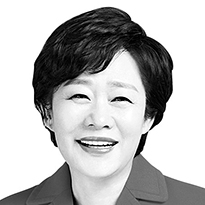
Son Sook-mee The author is the chair of the Gender Equality Committee at the Hansun Foundation and a former head of the Korea Population, Health and Welfare Association. For decades, Korea's marriage culture has been built around the idea of a "fully prepared marriage." A couple was expected to secure a respectable newlywed home, typically through a jeonse lease, furnish it adequately and hold stable jobs before crossing the threshold into married life. Although attitudes have evolved, traces of this traditional mindset remain deeply embedded in the public consciousness. Among these requirements, housing has long been the greatest obstacle. Unique among Organisation for Economic Cooperation and Development (OECD) countries, Korea's jeonse system historically functioned as a housing ladder, allowing ordinary households to reduce monthly housing expenses and accumulate assets through large lump-sum deposits instead of monthly rent. Yet the system has also drawn criticism for fueling housing speculation through so-called gap investments. The Lee Jae Myung administration's tighter lending regulations and expansion of land transaction permit zones were intended to curb speculative demand. In practice, however, the market has witnessed a sharp decline in jeonse listings and a surge in lease prices. Across the country, households are struggling with simultaneous increases in jeonse, monthly rent and home purchase prices. As the jeonse system enters what many view as a period of structural decline, landlords facing heavier property tax burdens are increasingly converting leases to monthly rent in pursuit of stable cash flow. According to the Ministry of Land, Infrastructure and Transport, monthly-rent contracts accounted for 68.3 percent of all lease transactions in the first quarter, highlighting the speed of this transition. Among newly-married renter households, the share living under jeonse contracts has fallen because of concerns about rental fraud, tighter loan regulations and limited new housing supply. Meanwhile, the proportion relying on monthly rent continues to rise rapidly. Few advanced countries place as much psychological importance on securing a home before marriage as Korea does. In Western countries and Japan, couples commonly begin married life in rental housing, gradually save money and purchase a starter home before moving up over time. Marriage is viewed as a process of growth rather than a finished achievement. Korea places a particularly heavy burden on men. Social expectations that a groom should at least provide an apartment under a jeonse contract create significant pressure for men and raise barriers for women as well. A cultural tendency to regard beginning married life in a studio apartment or small villa as a sign of hardship or failure reinforces a status-conscious approach to marriage and pushes young people toward unrealistic standards. The decline of jeonse and the expansion of a rent-based market could reduce the immediate burden of raising hundreds of millions of won for a housing deposit. For couples who postponed marriage because they could not secure such funds, the shift may create an opportunity to begin married life sooner. The challenge comes afterward. When a large share of household income is devoted to rent, housing insecurity remains unresolved. Young couples may marry but continue postponing childbirth for years. High rental costs make it difficult to accumulate assets and erode confidence in the future. Simply urging people to change their attitudes toward marriage will not solve the problem. For a culture in which newlyweds naturally begin in modest rental housing to take root, government and society must meet three conditions. First, housing prices must stabilize and gradually decline over the long term. As long as people fear that failing to buy now means never owning a home, few will choose a growth-oriented path to marriage. Second, the supply of high-quality long-term public...

Son Sook-mee The author is the chair of the Gender Equality Committee at the Hansun Foundation and a former head of the Korea Population, Health and Welfare Association. For decades, Korea's marriage culture has been built around the idea of a "fully prepared marriage." A couple was expected to secure a respectable newlywed home, typically through a jeonse lease, furnish it adequately and hold stable jobs before crossing the threshold into married life. Although attitudes have evolved, traces of this traditional mindset remain deeply embedded in the public consciousness. Among these requirements, housing has long been the greatest obstacle. Unique among Organisation for Economic Cooperation and Development (OECD) countries, Korea's jeonse system historically functioned as a housing ladder, allowing ordinary households to reduce monthly housing expenses and accumulate assets through large lump-sum deposits instead of monthly rent. Yet the system has also drawn criticism for fueling housing speculation through so-called gap investments. The Lee Jae Myung administration's tighter lending regulations and expansion of land transaction permit zones were intended to curb speculative demand. In practice, however, the market has witnessed a sharp decline in jeonse listings and a surge in lease prices. Across the country, households are struggling with simultaneous increases in jeonse, monthly rent and home purchase prices. As the jeonse system enters what many view as a period of structural decline, landlords facing heavier property tax burdens are increasingly converting leases to monthly rent in pursuit of stable cash flow. According to the Ministry of Land, Infrastructure and Transport, monthly-rent contracts accounted for 68.3 percent of all lease transactions in the first quarter, highlighting the speed of this transition. Among newly-married renter households, the share living under jeonse contracts has fallen because of concerns about rental fraud, tighter loan regulations and limited new housing supply. Meanwhile, the proportion relying on monthly rent continues to rise rapidly. Few advanced countries place as much psychological importance on securing a home before marriage as Korea does. In Western countries and Japan, couples commonly begin married life in rental housing, gradually save money and purchase a starter home before moving up over time. Marriage is viewed as a process of growth rather than a finished achievement. Korea places a particularly heavy burden on men. Social expectations that a groom should at least provide an apartment under a jeonse contract create significant pressure for men and raise barriers for women as well. A cultural tendency to regard beginning married life in a studio apartment or small villa as a sign of hardship or failure reinforces a status-conscious approach to marriage and pushes young people toward unrealistic standards. The decline of jeonse and the expansion of a rent-based market could reduce the immediate burden of raising hundreds of millions of won for a housing deposit. For couples who postponed marriage because they could not secure such funds, the shift may create an opportunity to begin married life sooner. The challenge comes afterward. When a large share of household income is devoted to rent, housing insecurity remains unresolved. Young couples may marry but continue postponing childbirth for years. High rental costs make it difficult to accumulate assets and erode confidence in the future. Simply urging people to change their attitudes toward marriage will not solve the problem. For a culture in which newlyweds naturally begin in modest rental housing to take root, government and society must meet three conditions. First, housing prices must stabilize and gradually decline over the long term. As long as people fear that failing to buy now means never owning a home, few will choose a growth-oriented path to marriage. Second, the supply of high-quality long-term public...

NOW PLAYING

Housing insecurity shouldn't deepen Korea’s birthrate crisis

0:00 5:12

No transcript for this episode yet

We transcribe on demand. Request one and we'll notify you when it's ready — usually under 10 minutes.

Breaking News Show | eTurboNews Juergen Thomas Steinmetz News is relevant to the global travel and tourism industry, human rights and global issues.Breaking news when it happens and only from the source. French Your Way Jessica: Native French teacher founder of French Your Way Boost your French listening skills and test your comprehension with this one of a kind series of podcasts. Get the chance to listen to a real conversation between native speakers talking at normal speed AND customise your learning experience through carefully designed sets of questions (2 levels of difficulty) available for download at www.frenchvoicespodcast.com. All interviews also come with the transcript. French teacher Jessica interviews native speakers of French from around the world who share a bit of their life and passion. Where else would you meet in one same place a French yoga teacher based in Melbourne, a soap manufacturer from Provence, or a couple cycling around the world? HOMELAND HOMELAND The Church is a body not a building. It's the bride of Jesus Christ! Jesus is coming back for a mature bride. That means it's time for the church of Jesus Christ to move from milk to meat. This is the hour of maturity!HOMELAND is an announcement that the church is being set free. Only the church has the ability to transform the world. The kingdom's of this world will become the kingdoms of our Lord and Savior!All of creation has been waiting for this moment! Sons and daughters of God are rising up and taking their seat! PodQuesting Dwight J Randolph- WolfShield Media PodQuesting: -By WolfShield Media and Dwight J RandolphJoin us on an exciting journey to master the world of fiction podcasting! At PodQuesting, we document our quest to improve and innovate, sharing valuable insights, strategies, and behind-the-scenes tips along the way. Whether you're an experienced podcaster or just starting your first show, our podcast is your go-to resource for everything podcasting.Discover practical advice, creative techniques, and lessons from our own experiences as we explore the ever-evolving podcasting landscape. Ready to level up your skills and embark on this adventure with us? Tune in and join the quest!Have questions or feedback? Reach out to us at [email protected] and visit our website:WolfShield.Media

Frequently Asked Questions

How long is this episode of Korea JoongAng Daily - Daily News from Korea?

This episode is 5 minutes long.

When was this Korea JoongAng Daily - Daily News from Korea episode published?

This episode was published on June 1, 2026.

What is this episode about?

Son Sook-mee The author is the chair of the Gender Equality Committee at the Hansun Foundation and a former head of the Korea Population, Health and Welfare Association. For decades, Korea's marriage culture has been built around the idea of a...

Can I download this Korea JoongAng Daily - Daily News from Korea episode?

Yes, you can download this episode by clicking the download button on the episode player, or subscribe to the podcast in your preferred podcast app for automatic downloads.
URL copied to clipboard!