
EPISODE · Sep 10, 2021 · 22 MIN
How a Familiar Face Can Lead to a Rare Disease Diagnosis
from RARECast
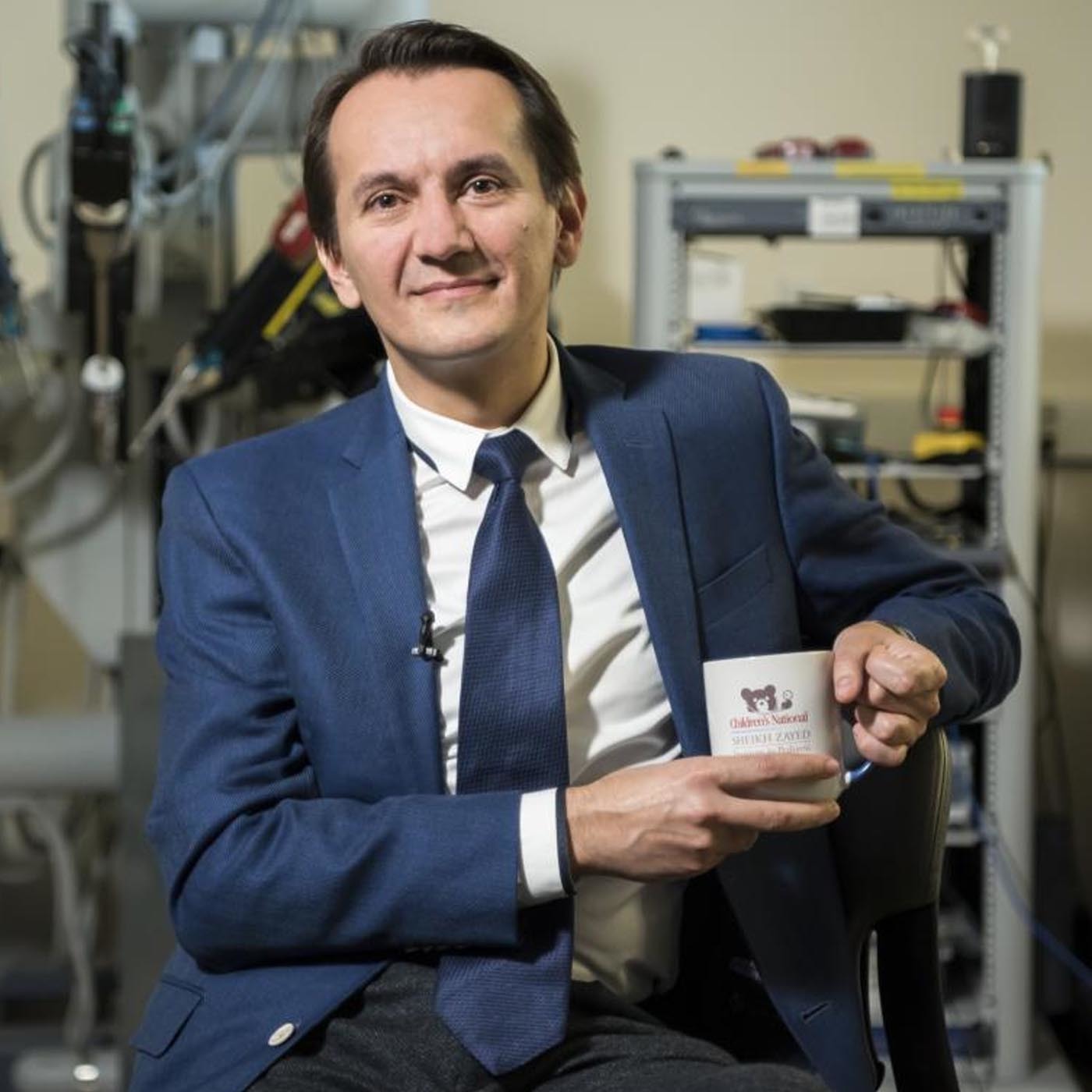
Many rare diseases cause unique changes to facial features that can provide insights for doctors seeking searching for a diagnosis. Researchers at Children’s National Hospital have developed software uses machine learning technology and images captured with a cellphone to quickly recognize disease patterns not immediately obvious to the human eye to help physicians accelerate the diagnosis of genetic syndromes by recommending further investigation or referral to a specialist in seconds. We spoke to Marius George Linguraru, who led the Children's National team that developed the digital biometric analysis software, about the diagnostic tool, how it works, and a deal with a newly formed company to commercialize the technology.
Embed this episode
What this episode covers
Marius George Linguraru, who led a Children's National Hospital research team that developed digital biometric analysis software to help diagnose rare disease patients, discusses the diagnostic tool he developed, how it works, and a deal with a newly formed company to commercialize the technology.
NOW PLAYING
How a Familiar Face Can Lead to a Rare Disease Diagnosis
No transcript for this episode yet
Similar Episodes
Feb 11, 2026 ·45m
Similar Podcasts
No similar podcasts found.