
EPISODE · Jun 24, 2026 · 1H 21M
How a Monday Night Table and a Sunday Pot of Pasta Shaped Bruce Bartolomeo's Life of Service
from I Don't Know You · host Matt Heisler
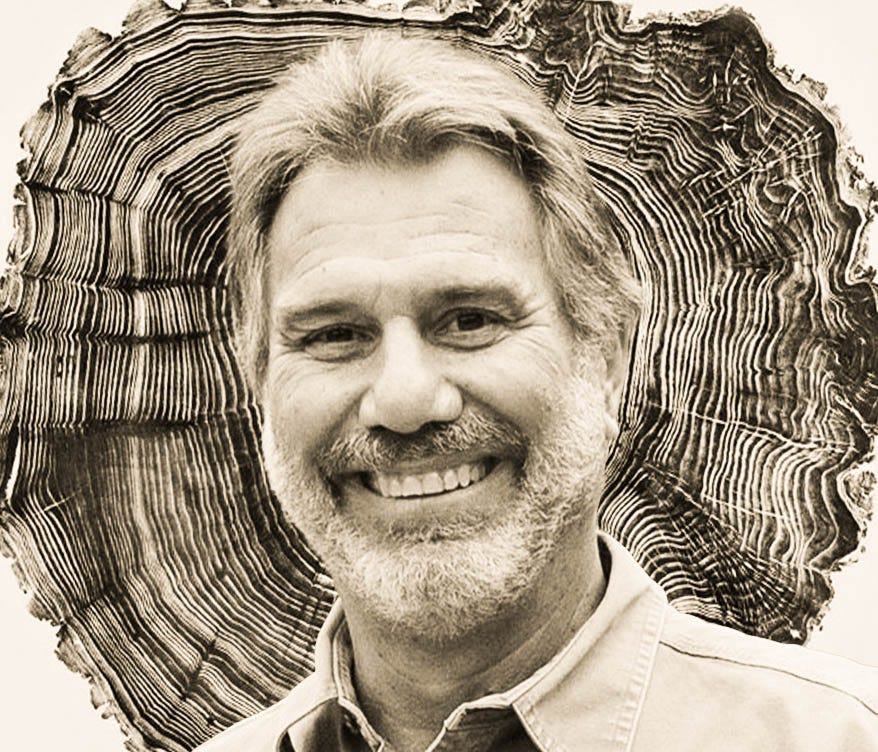
DescriptionBruce Bartolomeo is an entrepreneur, husband, father, and grandfather who spent over 30 years building a construction company before stepping away to devote himself fully to mentorship and service. He serves on the board of The Barnabas Group and several other non profitsI loved getting to chat with Bruce and talk about the power of early mentorship, the cost of being more married to your business than your wife, the paradigm shift from owner to steward, and what it looks like to be an intentional father of daughters. I’m really excited to look at this conversation throughout the years and continue to glean from his wisdom. Enjoy!Lessons from Bruce1. You can be starving for a mentor without knowing it. (00:43) Bruce opens with a line that landed hard: “I didn’t even know I needed a mentor when I was your age. I think I was internally starving for one.” A lot of men are running hard and empty at the same time, proving something to no one in particular. Naming the hunger is the first step to doing something about it.2. Grit is an asset and a liability — it depends on what you’re married to. (01:02) Bruce was so driven to succeed that he was, in his words, “more married to his business than his wife.” The grit that built the company also cost his family. He’s honest about the resentment it created and the healing that had to follow. High capacity without self-awareness is just high-speed damage.3. When your identity shifts from achievement to Christ, everything changes. (01:58) The turning point for Bruce wasn’t a program or a sermon — it was understanding, at a deep level, that his identity was in Christ and not in what he did or what others associated with him. Until that settled, nothing else could. Identity is the foundation. Everything else is built on top of it.4. The right kind of leader doesn’t drive people — they follow. (05:54) Bruce references the image of Middle Eastern shepherds, where sheep follow the shepherd rather than being driven. Leadership built on trust, shared mission, and genuine care creates followership you don’t have to force. People move with leaders they believe in. That’s not management. That’s discipleship.5. Some of the most formative mentors teach by contrast. (07:10) Bruce learned how not to lead from a difficult boss early in his career. He made a promise to himself: if I ever have employees, I will never treat them this way. Negative models are still models. The question is whether we let bad experiences make us bitter or better.6. Trust extended to you builds confidence that lasts decades. (14:16) At 14, a gas station owner handed Bruce the keys and told him to close the place. He’d only been working there a few months. That act of trust — unexpected, unearned, extended freely — built something in Bruce that shaped how he led people for the rest of his life. When someone older trusts you and you don’t betray it, it frames how life works.7. The best mentors love you back into line. (19:44) Lou Spinelli, Bruce’s cousin’s husband and the man he spent summers with on the farm, never got harsh when Bruce was heading in the wrong direction. He would have “loved him back into line” — honest conversation, relational warmth, no withdrawal of affection. That kind of correction is more powerful than punishment because the relationship is the accountability.8. Stewardship changes everything. (28:54) In a Convene meeting, something clicked for Bruce. He heard men talking about “my business, my business, my business” — and then realized: we’re not owners. We’re temporary stewards who have to give an account. When you hold your work that way, you’re responsible not just to yourself and your employees, but to the One who gave you every tool, every talent, every opportunity.9. He doesn’t always call the equipped — and that’s intentional. (31:07) Bruce says he believes God intentionally does not call the equipped, because equipped people tend to rely on their own capacity. The call that comes to someone with nothing is the one where God gets to say, “Watch me.” That’s where the excitement is. That’s the tip of the spear.10. Your career is what you’re paid for. Your calling is what you’re made for. (34:02) Bruce did Bob Shank’s Priority Living Master’s Program from 2003–2006, still running his business at the time. That three-year journey broke something open. The distinction between career and calling wasn’t just semantic — it fundamentally reoriented how he thought about the years ahead of him.11. The fruit of fatherhood shows up later than you plant it. (39:02) Bruce’s daughter in Virginia calls him nearly every day. His grandkids sleep over once a week. His daughters are the same hospitable, community-building people he and Becky modeled for years. None of that happens without the seeds planted quietly over decades. Presence compounds.12. What you allow, you encourage. (01:10:30) Asked about a lesson from his greatest failures, Bruce’s answer was this: what you allow, you encourage. In business, in parenting, in relationships — avoidance of necessary confrontation isn’t kindness. It’s permission. Addressing what needs to be addressed, respectfully and early, is one of the most loving things a leader can do.13. Your daughters need a father, not another friend. (01:07:28) Bruce is clear: they have enough friends. They need a father. That means meeting the boys, having the garage talk, setting expectations high, and being willing to be the bad guy so she doesn’t have to fight that battle alone. The goal isn’t their approval. It’s their safety and formation.14. Apologize on your knees. (01:02:15) When Bruce was too harsh with one of his daughters, he didn’t let it pass. He went to her room, got down to her level, looked her in the eye, and said: “I’m sorry. You didn’t deserve that. Will you forgive me?” That teaches children that trust can be restored — and it models the kind of humility and ownership that forms the next generation.15. Check your wake. (01:20:18) Bruce closes with a metaphor from water skiing: the condition of your wake depends on how you’re driving the boat. When you interact with someone, what’s the condition of your wake? Did you leave them better for having been with you — or did you make the water rough for them? It’s a simple question worth asking after every significant interaction. Get full access to Matt Heisler at mattheisler.substack.com/subscribe
Embed this episode
Ready to play
How a Monday Night Table and a Sunday Pot of Pasta Shaped Bruce Bartolomeo's Life of Service
No transcript for this episode yet
Similar Episodes
No similar episodes found.