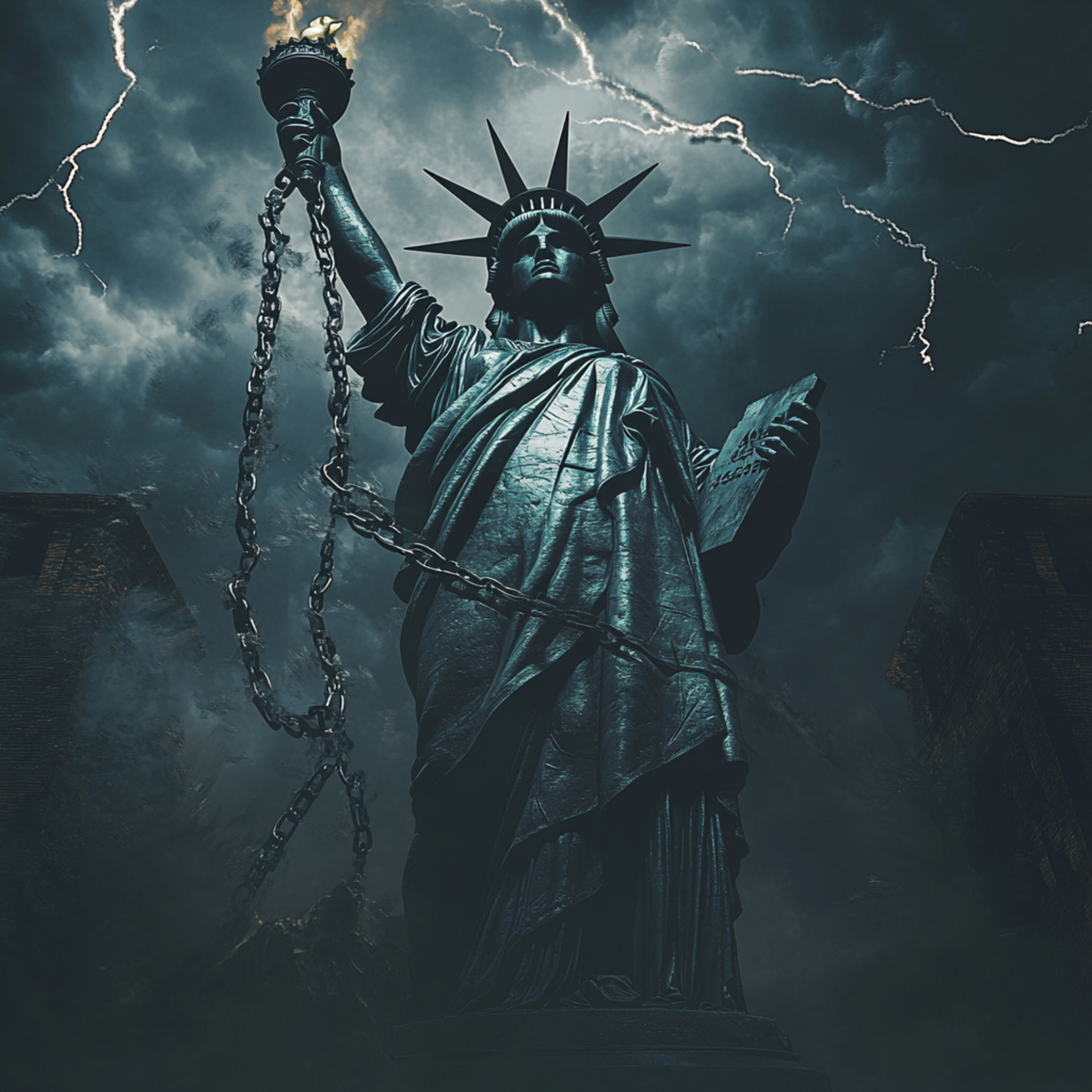
How America Became the Enemy of Its Own Ideals episode artwork

EPISODE · Dec 16, 2024 · 1H 4M

How America Became the Enemy of Its Own Ideals

from Conversations Among The Ruins · host Charles Erickson

The conversation delves into the complexities of the Syrian conflict, Israel's expansionist policies, and the geopolitical dynamics in the Middle East. The speakers discuss the implications of Israel's actions, the concept of Greater Israel, and the hypocrisy of Western responses to different forms of annexation. They also explore the demographic shifts within Israel and the potential consequences of these trends on regional stability. In this conversation, Peter and Charles Erickson delve into the complexities of U.S. foreign policy, particularly regarding its support for Al-Qaeda and Israel. They discuss the paradox of supporting groups that were once considered enemies, the historical connections between Israel and Al-Qaeda, and the implications of 9/11 on U.S.-Israel relations. The conversation also explores the phenomenon of Christian Zionism, the persecution of Christians in the Middle East, and the challenges of changing perspectives within that community. They reflect on the intertwining of American identity with Zionism and the potential consequences of a collapse of Israel, emphasizing the human cost of ongoing conflicts. Syria's situation is viewed as a disaster rather than a trap. The chaos in the Middle East serves Israel's interests. Israel's overconfidence may lead to unintended consequences. Iran remains a significant military power despite challenges. Israeli propaganda may not align with military realities. The concept of Greater Israel is gaining traction in Israeli society. International condemnation of Israeli actions is largely absent. Comparisons between Israeli and Russian annexations reveal double standards. Demographic changes in Israel may lead to increased extremism. The U.S. supports ethno-supremacist regimes for geopolitical reasons. The U.S. has paradoxically supported groups like Al-Qaeda. Historical connections exist between Israel and Al-Qaeda. 9/11 significantly altered U.S.-Israel relations. Christian Zionism distorts the Christian faith. Persecution of Christians in the Middle East is escalating. Changing Christian Zionist perspectives is challenging. Zionism is deeply intertwined with American identity. The potential collapse of Israel could have vast repercussions. The forces of evil in global politics may eventually fail. The decline of the American empire is a possibility.

The conversation delves into the complexities of the Syrian conflict, Israel's expansionist policies, and the geopolitical dynamics in the Middle East. The speakers discuss the implications of Israel's actions, the concept of Greater Israel, and the hypocrisy of Western responses to different forms of annexation. They also explore the demographic shifts within Israel and the potential consequences of these trends on regional stability. In this conversation, Peter and Charles Erickson delve into the complexities of U.S. foreign policy, particularly regarding its support for Al-Qaeda and Israel. They discuss the paradox of supporting groups that were once considered enemies, the historical connections between Israel and Al-Qaeda, and the implications of 9/11 on U.S.-Israel relations. The conversation also explores the phenomenon of Christian Zionism, the persecution of Christians in the Middle East, and the challenges of changing perspectives within that community. They reflect on the intertwining of American identity with Zionism and the potential consequences of a collapse of Israel, emphasizing the human cost of ongoing conflicts. Syria's situation is viewed as a disaster rather than a trap. The chaos in the Middle East serves Israel's interests. Israel's overconfidence may lead to unintended consequences. Iran remains a significant military power despite challenges. Israeli propaganda may not align with military realities. The concept of Greater Israel is gaining traction in Israeli society. International condemnation of Israeli actions is largely absent. Comparisons between Israeli and Russian annexations reveal double standards. Demographic changes in Israel may lead to increased extremism. The U.S. supports ethno-supremacist regimes for geopolitical reasons. The U.S. has paradoxically supported groups like Al-Qaeda. Historical connections exist between Israel and Al-Qaeda. 9/11 significantly altered U.S.-Israel relations. Christian Zionism distorts the Christian faith. Persecution of Christians in the Middle East is escalating. Changing Christian Zionist perspectives is challenging. Zionism is deeply intertwined with American identity. The potential collapse of Israel could have vast repercussions. The forces of evil in global politics may eventually fail. The decline of the American empire is a possibility.

NOW PLAYING

How America Became the Enemy of Its Own Ideals

0:00 1:04:57

No transcript for this episode yet

We transcribe on demand. Request one and we'll notify you when it's ready — usually under 10 minutes.

Frequently Asked Questions

How long is this episode of Conversations Among The Ruins?

This episode is 1 hour and 4 minutes long.

When was this Conversations Among The Ruins episode published?

This episode was published on December 16, 2024.

What is this episode about?

The conversation delves into the complexities of the Syrian conflict, Israel's expansionist policies, and the geopolitical dynamics in the Middle East. The speakers discuss the implications of Israel's actions, the concept of Greater Israel, and the...

Can I download this Conversations Among The Ruins episode?

Yes, you can download this episode by clicking the download button on the episode player, or subscribe to the podcast in your preferred podcast app for automatic downloads.
URL copied to clipboard!