
EPISODE · Feb 24, 2025 · 33 MIN
How can urbanisation drive more sustainable and inclusive cities in Africa?
from Women Leading Change (Sahel and West Africa Club OECD/SWAC) · host Women Leading Change
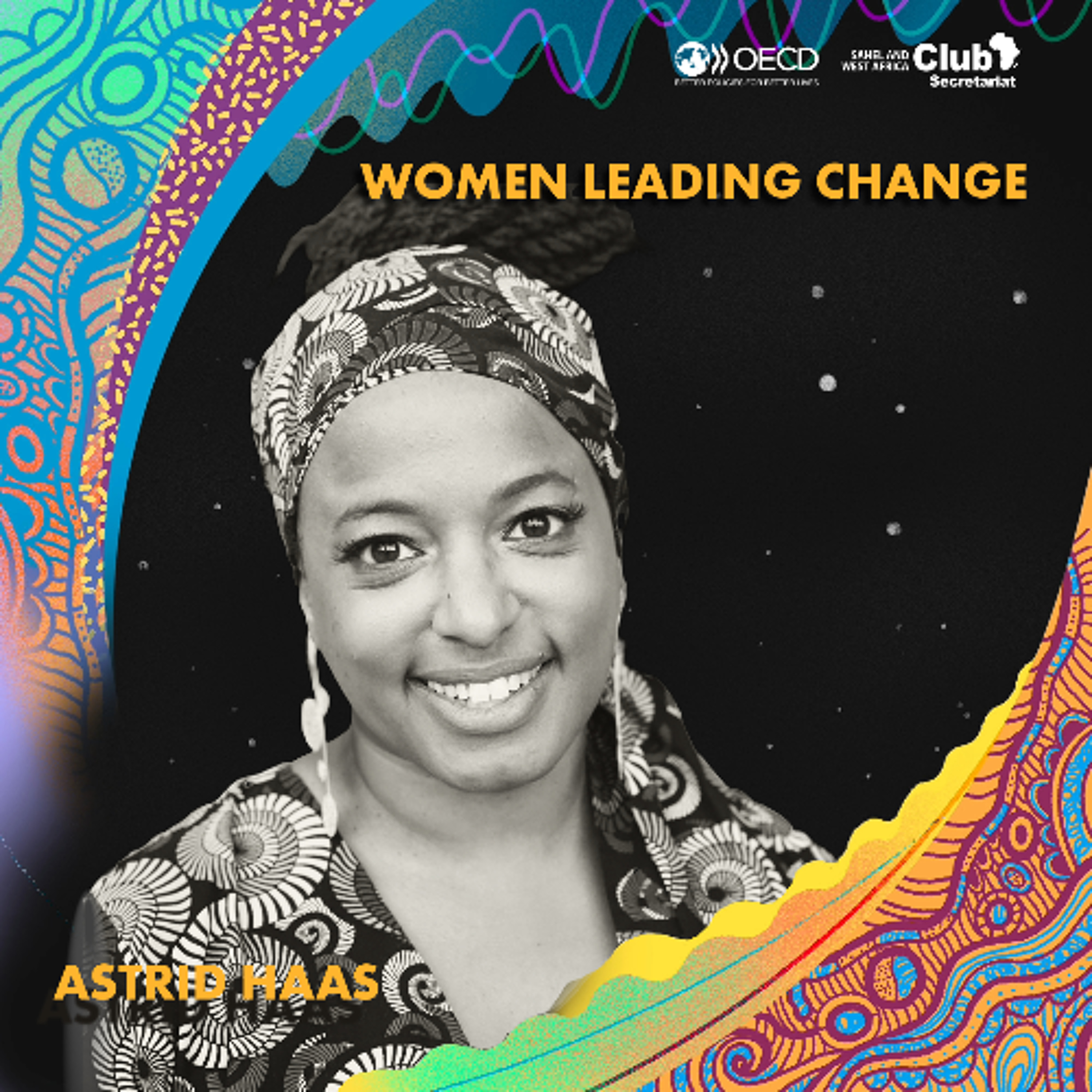
Africa’s cities are expanding at an unprecedented rate, bringing both challenges and opportunities. In this episode, feminist urban economist Astrid Haas explores three key pillars for inclusive and sustainable growth: governance, planning, and financing. In her view, effective governance requires adaptive institutions, transparent decision-making, and collaboration with civil society and the private sector to ensure cities meet the needs of all citizens. Proactive planning must address infrastructure, housing, and services while recognising the vital role of informal economies. Meanwhile, long-term, strategic financing and smarter municipal spending are essential for equitable development. With two-thirds of Africa’s population expected to live in cities by 2050, this conversation offers practical insights into harnessing urbanisation as a force for sustainable and inclusive growth. The latest OECD/SWAC publication, Africa’s Urbanisation Dynamics 2025: Planning for Urban Expansion, co-authored with the African Development Bank, Cities Alliance, and United Cities and Local Governments of Africa, offers a comprehensive analysis of urban expansion trends and their impact on urban planning, governance, and financing. Join us for the online launch webinar on March 6 to explore key insights and discussions. Register here: https://bit.ly/41z43ct Les villes africaines se développent à un rythme sans précédent, ce qui présente à la fois des défis et des opportunités. Dans cet épisode, Astrid Haas, économiste urbaine féministe, explore trois piliers essentiels à une croissance inclusive et durable : la gouvernance, la planification et le financement. Selon elle, une gouvernance efficace nécessite des institutions adaptatives, des processus décisionnels transparents et une collaboration avec la société civile et le secteur privé pour garantir que les villes répondent aux besoins de tous les citoyens. Une planification proactive doit prendre en compte les infrastructures, le logement et les services, tout en reconnaissant le rôle vital des économies informelles. Parallèlement, un financement stratégique à long terme et des dépenses municipales plus intelligentes sont essentiels pour un développement équitable. Alors que les deux tiers de la population africaine devraient vivre dans les villes d'ici 2050, cette conversation offre des perspectives pratiques sur la manière de tirer parti de l'urbanisation en tant que moteur d'une croissance durable et inclusive. La dernière publication de l'OCDE/SWAC, Dynamiques de l’urbanisation en Afrique 2025 : Planifier l’expansion urbaine, co-écrite avec la Banque africaine de développement, Cities Alliance et Cités et gouvernements locaux unis d'Afrique, offre une analyse complète des tendances de l'expansion urbaine et de leur impact sur l'urbanisme, la gouvernance et le financement. Rejoignez-nous pour le webinaire de lancement en ligne le 6 mars pour explorer les idées et les discussions clés. Inscrivez-vous ici : https://bit.ly/41z43ct
Embed this episode
NOW PLAYING
How can urbanisation drive more sustainable and inclusive cities in Africa?
No transcript for this episode yet
Similar Episodes
No similar episodes found.
Similar Podcasts
No similar podcasts found.